Follow Us on Google
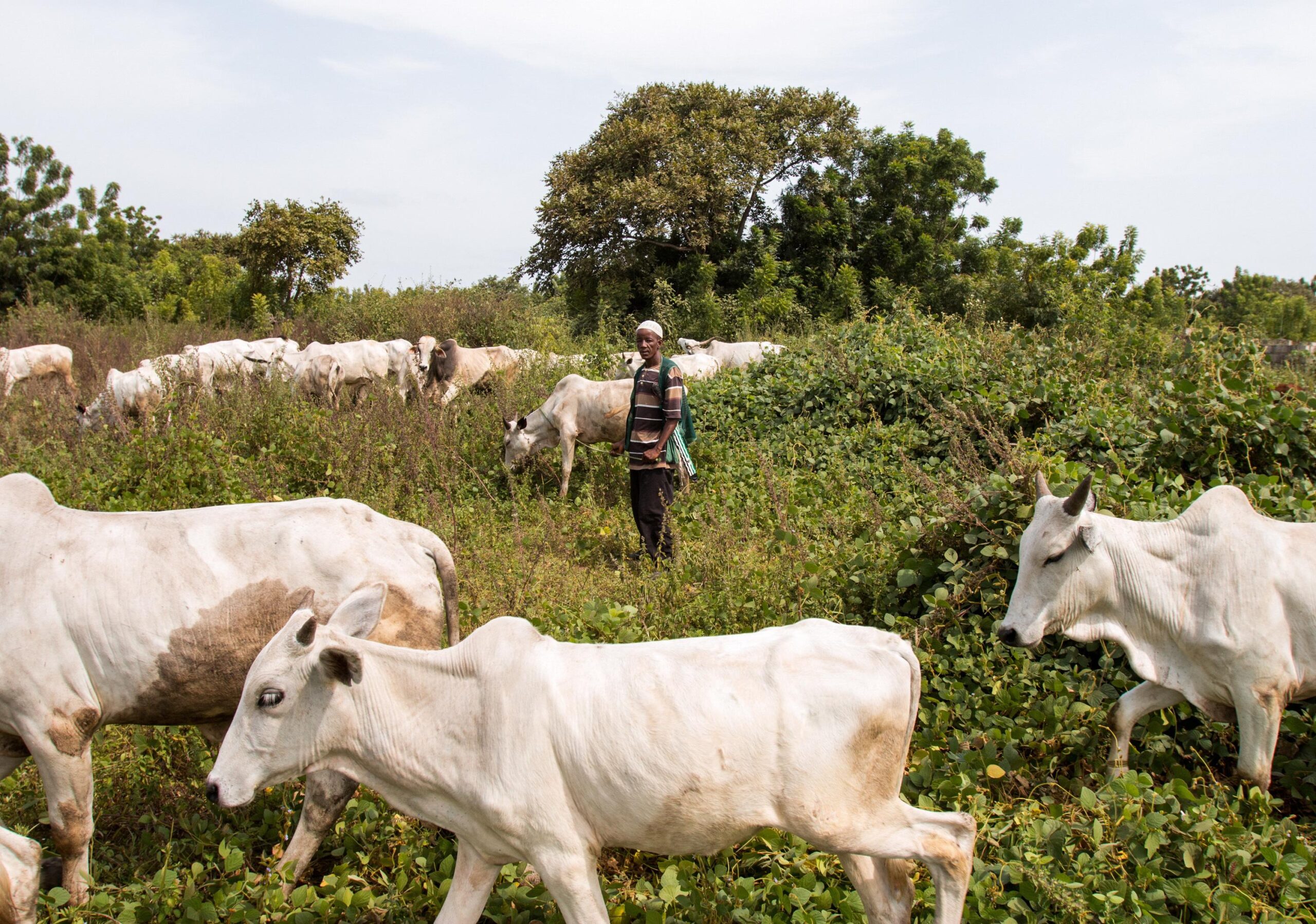
The Mutual Union of Tiv in America (MUTA) has rejected the inclusion of Benue State in the Federal Government’s proposed pilot implementation of the National Ranching Policy, describing the move as troubling in view of the state’s lingering displacement crisis.
MUTA, in a statement signed by its President, Professor Akaa Daniel, and Secretary, Prof. Joseph Zume, said the policy should not be implemented in Benue until displaced communities are safely returned to their ancestral homes and their land rights fully restored.
The organisation noted that for more than a decade, communities across Benue have endured years of attacks, killings, destruction of homes and farmlands, and mass displacement associated with violent herders’ attacks.
According to MUTA, “Large number of our people remain uprooted from our ancestral communities and continue to live under extreme difficult conditions in Internally Displaced Persons’ (IDP), camps.”
The organisation argued that the Federal Government’s priority should be the security of the people, restoration of displaced communities and protection of their land rights, rather than introducing a policy that could deepen fears of dispossession.
“Against this painful background, the proposal to establish a federal ranching pilot in Benue State without first resolving the displacement crisis, restoring affected communities to their land, guaranteeing their security and obtaining meaningful public consent is profoundly troubling.”
Following an emergency meeting on the issue, MUTA said it unanimously resolved to oppose Benue’s inclusion in the pilot programme and to call on the state government, traditional institutions, community leaders, civil society organisations, elected representatives and all concerned citizens to use lawful and democratic means to protect the rights and ancestral lands of the people.
The group questioned why Benue was selected for the programme, noting that the state is predominantly agrarian and widely regarded as the “Food Basket of the Nation.”
They stressed that land in Benue was not an idle resource awaiting allocation, but the foundation of the people’s livelihoods, heritage, security and future.
MUTA expressed concern that the allocation, designation or conversion of land for ranching, particularly in areas affected by displacement, could create fears that communities may permanently lose access to lands from which they were forced out by violence.
Other News
The organisation therefore demanded answers from President Bola Ahmed Tinubu and the Federal Government on the criteria used to select Benue, the consultations conducted with affected communities and whether the communities gave their consent.
They also demanded clarification on who would own and operate the proposed ranches, where the land would come from and whether lands belonging to displaced communities would be incorporated into the programme.
MUTA further asked the government to provide guarantees that displaced Benue residents would regain full possession of their ancestral lands before any ranching project was considered.
The organisation maintained that there was no “empty land” in Benue available for allocation to outside commercial interests, stressing that land appearing unoccupied because its owners had been displaced by violence should not be regarded as vacant or abandoned.
According to them, “Displacement does not extinguish ownership; violence cannot become a pathway to land acquisition.”
MUTA called on the Federal Government to suspend Benue’s participation in the proposed pilot and instead prioritise the safe return, rehabilitation, compensation and protection of displaced communities.
The organisation also argued that Benue farmers did not demand federal allocations of farmland in other states to conduct their agricultural businesses, insisting that the same principle of fairness should apply to livestock enterprises.
MUTA urged the Federal Government to reconsider its decision, declaring, “Our decision is clear, secure our people, return the displaced to their homes, restore their ancestral lands and respect the rights of Benue communities.”
It added that “No ranching Policy should precede Justice, security, restitution and consent.”
“Benue land is our heritage, our livelihood and the inheritance of generations yet unborn. It must not become the price our people pay for having survived displacement,” MUTA said.