Follow Us on Google

•Targets 40% debt-service-to-revenue ratio
The Alliance for Economic Research and Ethics (AERE) has called for fundamental fiscal and budgetary reforms to strengthen Nigeria’s 2027 budget, proposing a reduction in the consolidated debt-service-to-revenue ratio to 40 per cent by 2028.
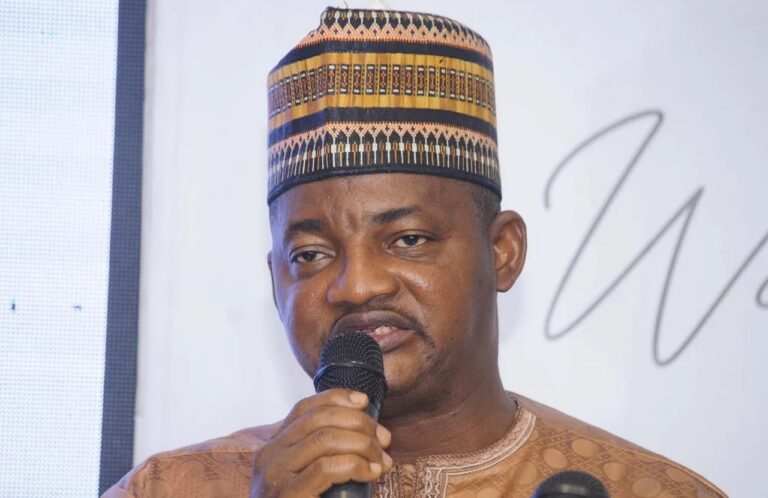
Chairman of AERE, Dele Kelvin-Oye made the call in a policy brief titled: The N68.32 trillion Question, where he said the reforms should focus on restoring budget discipline, improving revenue projections, ensuring project readiness, prioritising ongoing projects and strengthening transparency in government borrowing.
In his recommendations for the 2027 budget, Kelvin-Oye identified five critical areas requiring urgent attention, beginning with strict adherence to Nigeria’s January-to-December financial year.
He urged the Federal Government and the National Assembly to agree on and publish a binding timetable for budget presentation, scrutiny, passage and implementation.
According to him, any arrangement for spending when a budget is delayed should be clearly provided for by law rather than relying on assumptions about existing spending restrictions.
On revenue projections, AERE called for independent verification of government assumptions, insisting that the data, methodology and downside scenarios behind projected oil, tax and other revenues should be made public.
“Section 18 of the Fiscal Responsibility Act already provides for the Medium-Term Expenditure Framework (MTEF) as the basis for annual revenue and expenditure estimates,” he said, stressing that the priority should be to make the framework credible and enforceable.
The organisation also emphasised the need for proper project preparation before inclusion in the national budget, adding that the government should establish the credibility of project designs, land status, procurement plans, completion costs and maintenance provisions before approving new projects.
“An appropriation should not be mistaken for a shovel-ready project,” he stated, warning against budgeting for projects without adequate preparation and realistic delivery plans.
He advocated disciplined sequencing of projects, urging government to review existing commitments and prioritise the completion of viable ongoing projects before introducing lower-priority ones.
He maintained that new projects should be selected based on their public value and readiness rather than the publicity surrounding groundbreaking ceremonies.
AERE further called for stricter borrowing discipline through the enforcement of existing borrowing-purpose provisions of the Fiscal Responsibility Act.
Other News
The organisation recommended the publication of borrowing authorisations, actual funds raised, debt-service obligations and the utilisation of borrowed funds in a consolidated quarterly statement to strengthen public accountability.
On Nigeria’s debt burden, the AERE boss supported a target of reducing the consolidated debt-service-to-revenue ratio to 40 per cent by 2028.
He cited the World Bank’s comparable 2025 baseline of about 49.5 per cent, which meant that achieving the proposed target would require a reduction of 9.5 percentage points over three years.
He described the 40 per cent target as an intermediate fiscal guardrail rather than a universal statutory threshold, noting that it should be supported by annual milestones and consistent reporting.
“I would support a pathway to reduce the consolidated debt-service-to-revenue ratio to 40 per cent by 2028. I choose it as an intermediate fiscal guardrail, not because 40 per cent is a universal statutory threshold or a magic number.
“Reducing debt-service obligations would leave a larger share of comparable government revenue available for other public purposes, although such funds would not automatically translate into resources for capital expenditure.”
Reflecting on the lessons from the 2026 budget, Kelvin-Oye stressed that Nigeria must match its development ambitions with credible institutions, realistic cash plans and transparent public reporting.
“The 2027 budget should be prepared earlier, costed honestly and sized to the resources the country can realistically mobilise. It should also finish more of what Nigerians have already paid for.”
He maintained that budget performance should be measured by tangible improvements in citizens’ lives rather than the size of allocations or figures printed on budget documents.
“A budget is not the value printed on its cover. It is the school opened, the road completed, the clinic equipped, the farm connected to a market and the business able to borrow and grow. That is the test Nigerians are entitled to apply for.”
He added that economic growth should ultimately translate into inclusive and visible development, insisting that the success of the 2027 budget would depend on its ability to deliver measurable benefits to Nigeria.