Follow Us on Google
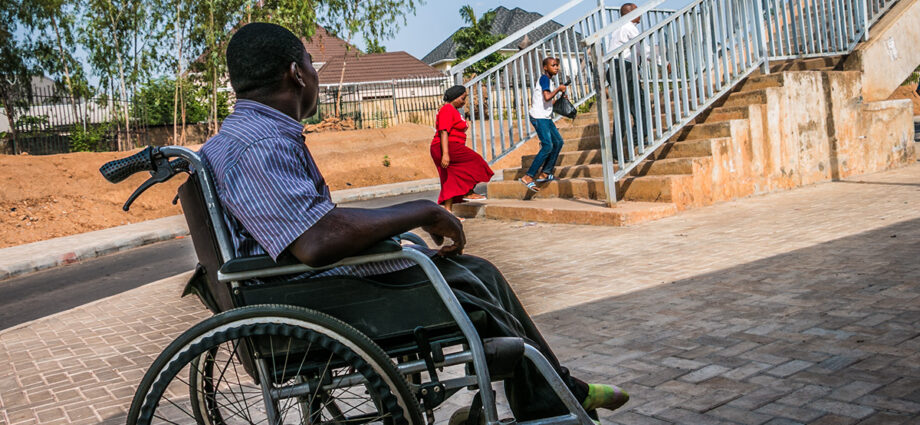
This year’s International Day of Persons with Disabilities (IDPD) was marked on December 3 with the theme, “Fostering Disability-Inclusive Societies for Advancing Social Progress.” The federal government participated actively with empowerment programmes for people with disabilities. For instance, the First Lady, Senator Oluremi Tinubu, gave N200, 000 grants to 9,500 PWDs nationwide under the Renewed Hope Initiative.
There were also advocacy events to help people with disabilities by NCPWD and ActionAid Nigeria. They also called for stronger policy implementation and economic inclusion of people with disabilities. The 2025 IDPD in Nigeria witnessed calls for government to move beyond mere rhetoric to concrete actions that will enable PWDs live with dignity and participate fully in national development.
In his message to commemorate the International Day of Persons with Disabilities, the WHO’s Regional Director for Africa, Dr Mohamed Janabi, said the theme of this year’s day was a reminder that inclusion was the foundation of sustainable development, social cohesion and human dignity. Statistics show that more than 188 million people live with some form of disability across Africa. According to him, communicable and incommunicable diseases, malnutrition, injuries and the consequences of conflict all contribute to disability. Yet, those with disabilities remain among the most marginalised in our societies, often facing stigma and persistent barriers to health services, education, transport and employment. The impact of exclusion is profound, limiting participation, deepening poverty and eroding wellbeing of people with disabilities.
The WHO has called on all governments, partners and communities to translate commitment into concrete investment and ensure that policies, programmes and health facilities are designed in consultation with Persons with Disabilities and not merely for them. Their voices, expertise and lived experiences are essential to shaping systems that leave no one behind. These are concrete points we must not shy away from as a matter of urgency.
Other News
It is commendable that the federal government, agencies and NGOs have not forgotten Persons Living with Disabilities in Nigeria, who constitute some of the vulnerable individuals on medical grounds. They need all the encouragement to fulfil their destinies in a competitive world. The National Commission for Persons with Disabilities (NCPWD) organised walks and a national dialogue on “Transformative Solutions for Disability-Inclusive Development,” which highlighted the need for innovation and collaboration, to mark the International Day with Persons with Disabilities. The federal government and relevant authorities should implement their recommendations and empower individuals with disabilities. We laud the Lagos State Office for Disability Affairs (LASODA) for supporting senior citizens with disabilities.
Data-Lead Africa and ActionAid Nigeria have called for the implementation of existing disability laws, emphasising on the five per cent job provision for PWDs, and stronger mechanisms against discrimination. We urge the government to have accurate data of people with disabilities in the country. This will help in planning and development. Financial aid and job opportunities are crucial for PWDs to contribute meaningfully to society.
There is need to strengthen the laws that will cater for the needs of people with disabilities. They need protection. Their needs should also be met. Government should adequately fund programmes for people with disabilities. Persons Living with Disabilities should not be discriminated against or stigmatized. Government should fund the education of people with disabilities. Their health and wellbeing must be prioritised. They should be considered while constructing public buildings, schools and parks. Though some agencies have complied by building special facilities for Persons Living with Disabilities, but they are not enough. The federal government should urge those in charge of offices, markets and other public places to factor people with disabilities in designing their buildings and other facilities.
The government’s inclusive policy must be well spelt out for millions of citizens living with disabilities. Many of them are gifted people, who have talents. About 35.1 million Nigerians are living with some form of disability, according to the National Commission for Persons with Disabilities (NCPWD). However, the Centre for Citizens with Disabilities (CCD) put the figure at about 29 million. We call on state governments to provide for people with disabilities in their domains and attend to their special needs. They should not be marginalised. They need acceptance and inclusion to realise their potential in life. They must be supported by the society to achieve their goals.