Follow Us on Google
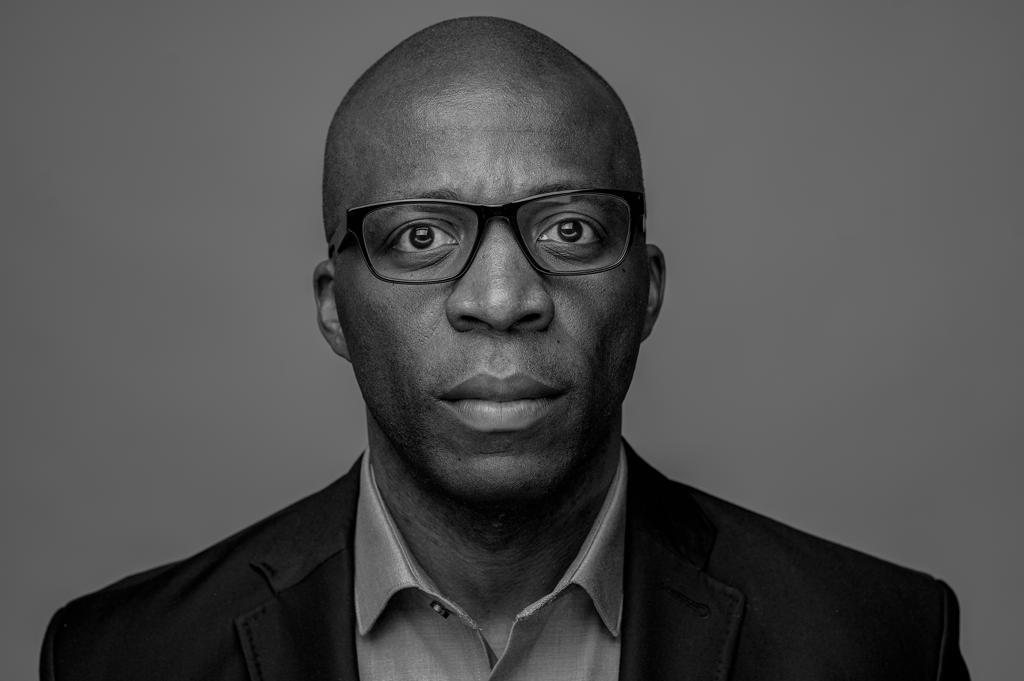
Adebayo Adeleke is a seasoned supply chain professional with expertise in risk management, security, geopolitics and indigenous supply chain, and trade. He is also a seasoned combat veteran of the United States Army with 20 years of service. His hands-on security experience has helped him provide data and insights on security challenges in Africa. His policy briefs on supply chain, security, and other resources have been featured in London Business School, the African Report, and others.
His desire to tell the story of African supply chains to the world and provide supply chain intelligence for stakeholders to make informed decisions concerning trade and supply chain in the continent led him to start Supply Chain Africa (SCA) -the supply chain data bank for Africa.
In this interview, he revealed that Supply Chain Africa is studying the recent breakout of Niger, Mali and Burkina Faso from ECOWAS’ block to see how it will impact supply chain risk management for stakeholders in the industry.
One of the key qualities you have shown over the years is your ability to research and provide data-backed recommendations to help your clients create sustainable policies. Why do you specialize in this kind of difficult terrain sector?
When you identify a problem, it’s easy to jump into proffering solutions. But if you want a solution to stand the test of time, you must understand the root cause using data and then proffer solutions backed by your findings.
As a global supply chain expert, what is the implication of the recent breakout of Niger, Mali, and Burkina Faso from ECOWAS’ block on the supply chain within the region considering they are the key routes for various agricultural supplies?
We expected something like this but didn’t predict a complete breakout. It’s still unclear how this will play out because ECOWAS was established in 1975, and structures have been put to bring these countries together. These breakout countries also have cultural roots with countries like Senegal, Togo, and Benin.
In the interim, we will need to find a different route, and even though it’s not the end of the world, it may be difficult to completely break free.
‘The difference between survival and extinction of your business is looking at risks differently’ is a quote attributed to you on your website. What is the risk with the latest action from these four countries?
There will be a change in the availability and movement of the natural resources these countries contribute to the world’s global trade. If these commodities consistently have a longer supply chain, their prices will increase. We must start looking out for the prices of gold, uranium, and the agricultural commodities these countries produce. What will be the global response to the spike? These are conversations we need to start having.
Such a decision by the Alliance of Sahel, as they call themselves now, is kind of opposed to the global trade and global supply chain at large. Are you monitoring these threats to give data back from auditions?
Just like we’re monitoring what’s going on in the Red Sea, we are monitoring this as well.
The data will be available shortly. We are reviewing how this will impact things like the integration of the African Continental Free Trade Agreement and more.
Now, your desire to tell the story of African supply chains to the world and provide supply chain intelligence for stakeholders to make informed decisions concerning trade and supply chain in the continent led you to start Supply Chain Africa (SCA). This supply chain data bank for Africa not much is heard about it?
Supply Chain Africa started by telling the stories of the African Supply Chain, and now we are evolving to become a data bank. We are building a platform that accommodates professional development, a community, and more for supply chain professionals on the continent.
In one of your key recommendations in 2023 to African leaders was that in the face of disruptions to physical supply chains across the continent, African countries should embrace the digitalisation of processes to ease interactions and conduct trade activities. Has it been adopted and if yes does digitalization of processes engenders the development of disruption–proof supply chains?
We live in a world where if you don’t go digital it will be difficult to proffer a long-lasting solution. But a lot needs to happen before digitization can occur. We need data infrastructure , communication, and critical infrastructure to support digitization. For policies like the AFCFTA to work, there has to be a digital process in place.
As a distinguished member of the New American Economy which is a bipartisan research and advocacy organization fighting for smart federal, state, and local immigration policies that help grow the economy and create jobs for all Americans. What can Nigeria learn from this kind of think tank organisations?
If you have an immigrant background, it’s critical to be plugged into this kind of community because you’d see how nations use data to formulate policies that can affect businesses. It’s an eye-opening experience that helps you understand how a nation like the US can stabilize its economy by crafting policies and solutions that support immigration and immigrants. I have been part of a community that facilitates immigration reforms and processes in the US, and it’s a fascinating thing to see people from different countries and cities work towards making immigrants feel part of the American dream. Nigerians who are immigrants to the US can gain an immense amount of knowledge and understanding of how the world works with immigration policies.
You also lead a similar Rising Leadership Foundation, (RLF) a non-profit organization that seeks to transform governance and leadership using technology and mentoring. What’s the vision behind this?
The vision behind RLF is to give back. It is rooted in my belief that those who have been given much should also give much in return. My goal is to help young leaders and potential leaders from different communities, particularly from immigrant communities within our cities. Often, these individuals do not have access to the same resources as their counterparts from other communities, which can prevent them from reaching their full potential. I want to help level the playing field so that they can become successful leaders in their respective fields. Together with my friends, I believe we can make a significant contribution to building better leaders for our communities.