Follow Us on Google

From Fred Ezeh, Abuja
Accountability Lab Nigeria has urged the Federal and state governments to involve women, civil society organisations and community members in budget planning to ensure that public spending addresses the needs of vulnerable groups.
The organisation warned that the exclusion of women from decisions on public expenditure could undermine efforts to address critical needs, including maternal healthcare, social protection, gender-based violence and support for informal businesses.
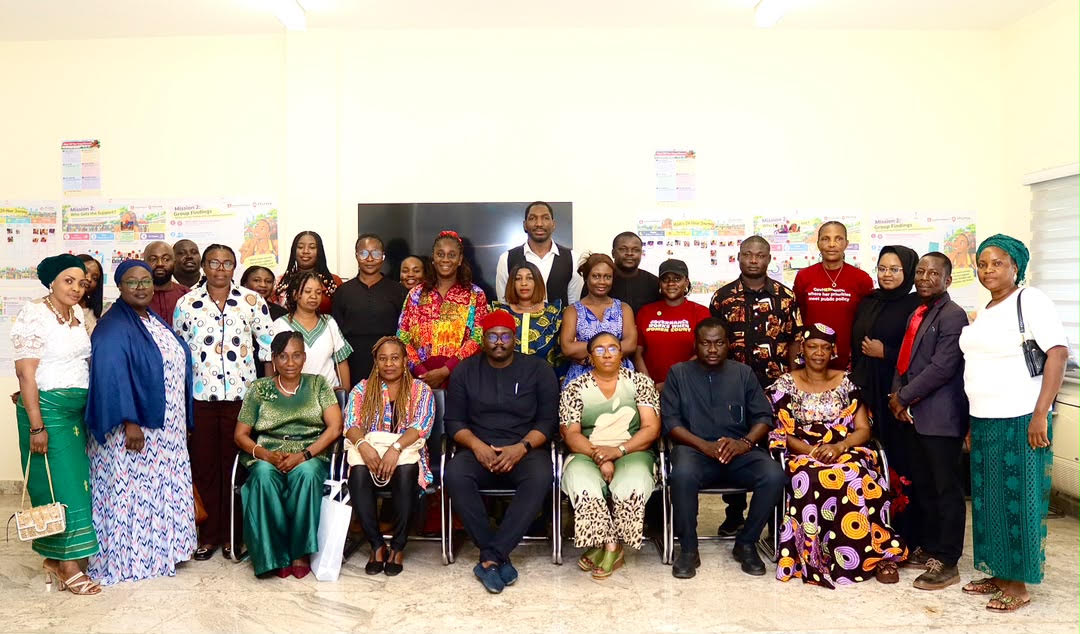
The Country Director of Accountability Lab Nigeria, Friday Odeh, made the call at a technical workshop on the co-design of a gender-responsive budgeting assessment toolkit, supported by the Canadian Funds for Local Initiatives.
The workshop aimed to assess how effectively government budget processes reflected the needs of different groups in society.
Odeh said governments should move away from top-down budget planning and create opportunities for citizens, civil society organisations, the private sector and the media to influence spending priorities and the design of public projects.
He said budget decisions affected people differently, making it imperative for authorities to consider the specific needs of women and other vulnerable groups in allocating public resources.
“Not just governments sitting in a major national budget planning office and designing budgets for all of us, but all of us are citizens,” he said.
Odeh identified gender-based violence, women’s participation in the informal economy, maternal healthcare and access to essential services as areas requiring greater attention in government budgets.
He also called for gender-responsive budgeting to be extended to the community level, noting that cultural practices and household arrangements sometimes prevented women from participating in decisions affecting their welfare and economic activities.
“In some families, women don’t speak, they don’t make decisions. They don’t even contribute to how much you earn,” he said.
The country director warned that governments sometimes overlooked the needs of women and persons with disabilities in infrastructure and public service planning, resulting in projects that failed to adequately address their concerns.
He said the organisation planned to engage between 20 and 30 ministries, departments and agencies to share findings from its assessment and encourage the integration of gender considerations into government projects.
Other News
Odeh added that Accountability Lab would collaborate with researchers and public officials to examine existing budget practices and develop recommendations for improving public spending.
The Programmes and Learning Manager of Accountability Lab, Ehi Idakwo, said women’s limited participation in budget formulation had contributed to the neglect of their needs in government policies and social protection programmes.
Idakwo said women constituted a significant proportion of Nigeria’s population and contributed substantially to the economy, particularly through informal businesses and activities that sustained households and local markets.
She said their economic contributions should translate into greater participation in decisions on public expenditure and improved access to essential services.
According to her, women engaged in informal occupations, including petty trading, hairdressing and waste picking, often lacked adequate access to healthcare, pensions and other forms of social protection.
Idakwo stressed that government support programmes should be designed around the actual needs of beneficiaries rather than depend on personal connections with public officials.
She called for increased opportunities for women and community members to influence government priorities, noting that some states had introduced participatory budgeting at the local government level.
However, she said similar opportunities remained limited at the federal level, where women and informal-sector workers were often excluded from discussions on proposed public projects.
Idakwo also cited the rejection of the Gender and Equal Opportunities Bill by the National Assembly and the lack of progress on proposed reserved legislative seats for women as challenges to improving women’s representation in governance.
She said Accountability Lab would examine government budget documents and conduct further research to identify ways of integrating gender considerations into public spending.
The proposed assessment toolkit is expected to provide stakeholders with a framework for evaluating budget practices and identifying gaps in how government projects respond to the needs of women and other vulnerable groups.