Follow Us on Google
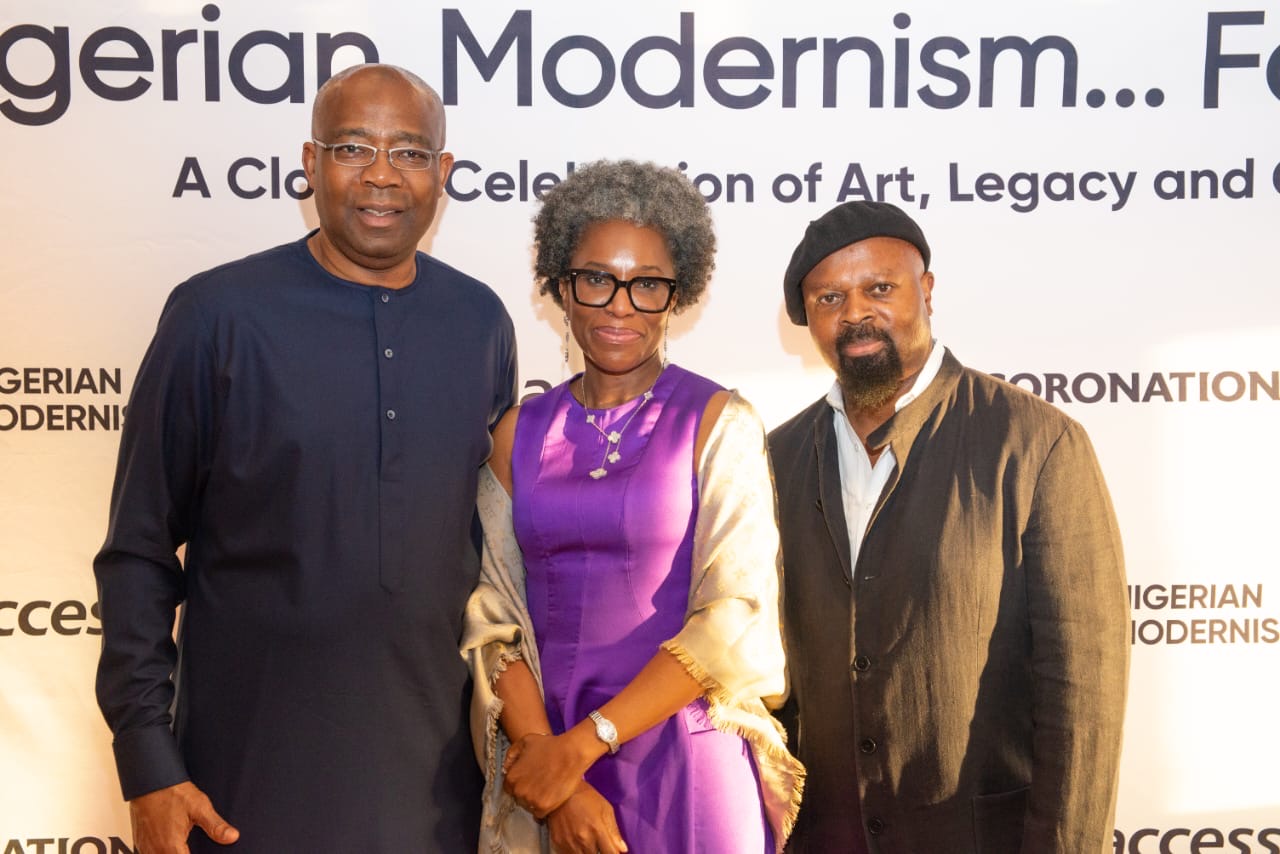
Access Holdings Plc and Coronation Group have celebrated the successful conclusion of the key Nigerian Modernism exhibition at Tate Modern in London, describing it as a defining moment for Nigerian art and cultural diplomacy on the global stage.
The two organisations hosted a private reception at Tate Modern on July 1, bringing together prominent figures from business, diplomacy, academia, culture and the arts to commemorate the exhibition’s international impact and lasting legacy.
The exhibition, which ran from October 10, 2025, to May 8, 2026, was organised in partnership with Tate Modern and featured nearly 300 works by more than 50 Nigerian artists spanning five decades of artistic production.
Through paintings, sculptures, textiles, ceramics and works on paper, the exhibition traced the evolution of modern Nigerian art from the 1940s to the post-independence period, highlighting the political, social and cultural influences that shaped contemporary African artistic expression.
According to the organisers, the exhibition attracted more than 180,000 visitors during its seven-month run and reached hundreds of millions of people globally through media coverage, digital platforms, educational programmes and academic discussions.
Beyond the impressive attendance figures, the exhibition was praised for making African art more accessible to younger audiences and members of the African diaspora by providing opportunities to engage directly with Nigeria’s rich artistic heritage at one of the world’s foremost museums. Speaking at the reception, Chairman of Access Holdings and Coronation Group, Aigboje Aig-Imoukhuede, said one of the exhibition’s greatest achievements was its impact on young people.
“One of the aspects of this exhibition that stands out most for me is the opportunity we created for nearly 2,800 students, many of them of African heritage, to experience Tate Modern. While their encounters with the artworks could not be formally documented, the feedback we received spoke volumes. For many of these young people, the exhibition inspired a deeper appreciation of their heritage, reinforcing their sense of identity and pride in their African roots.”
Aig-Imoukhuede said the exhibition also demonstrated the growing importance of culture as a tool for national development and international engagement.
Other News
“I have long believed that great nations are built at the intersection of financial, knowledge and cultural capital. Of these, cultural capital is often the force that brings everything else together. We saw a powerful example of that when President Bola Ahmed Tinubu chose to include a private tour of Nigerian Modernism during his historic visit to London, alongside the thousands of Nigerians in the diaspora who came out to welcome him. It was a remarkable moment that demonstrated the unique role culture can play in strengthening national identity, global engagement and diplomacy.”
Interim Director of Tate Modern, Karin Hinsbo, described the exhibition as a milestone in the museum’s programme, noting that it presented a story that had never before been told in a UK gallery.
“Nigerian Modernism captivated hundreds of thousands of visitors. It was a story that had never been told in a UK gallery, an international network of 50 artists across 50 years, combining African and European traditions to create a powerful artistic legacy through 250 glorious works made up of painting, sculpture, textiles, ceramics, and works on paper. None of this would have been possible without the partnership, generosity, and commitment of Access Holdings and Coronation Group.”
The organisers said the exhibition challenged long-standing art historical narratives by firmly placing Nigerian artists within the global history of 20th-century modernism while promoting deeper understanding of African creativity and identity.
The exhibition also featured a broad public engagement programme, including lectures, guided tours and educational initiatives aimed at encouraging wider appreciation of African art among students, researchers and international audiences.
One of its major highlights was the display of seven historic wooden sculptures by Ben Enwonwu, originally commissioned in 1960 for the Daily Mirror in London and now housed in the Access Holdings Art Collection. The sculptures underscored the importance of preserving Nigeria’s artistic heritage through collaboration between cultural institutions and private collectors.
Guests at the reception described Nigerian Modernism as a landmark exhibition that has expanded global scholarship on African modernism, strengthened international cultural partnerships and introduced Nigerian art to new audiences across the world.
Although the exhibition has officially ended, its organisers said its influence will continue to shape conversations around African creativity, cultural heritage, modern identity and the role of art in strengthening international relations.