Follow Us on Google
By John Ogunsemore
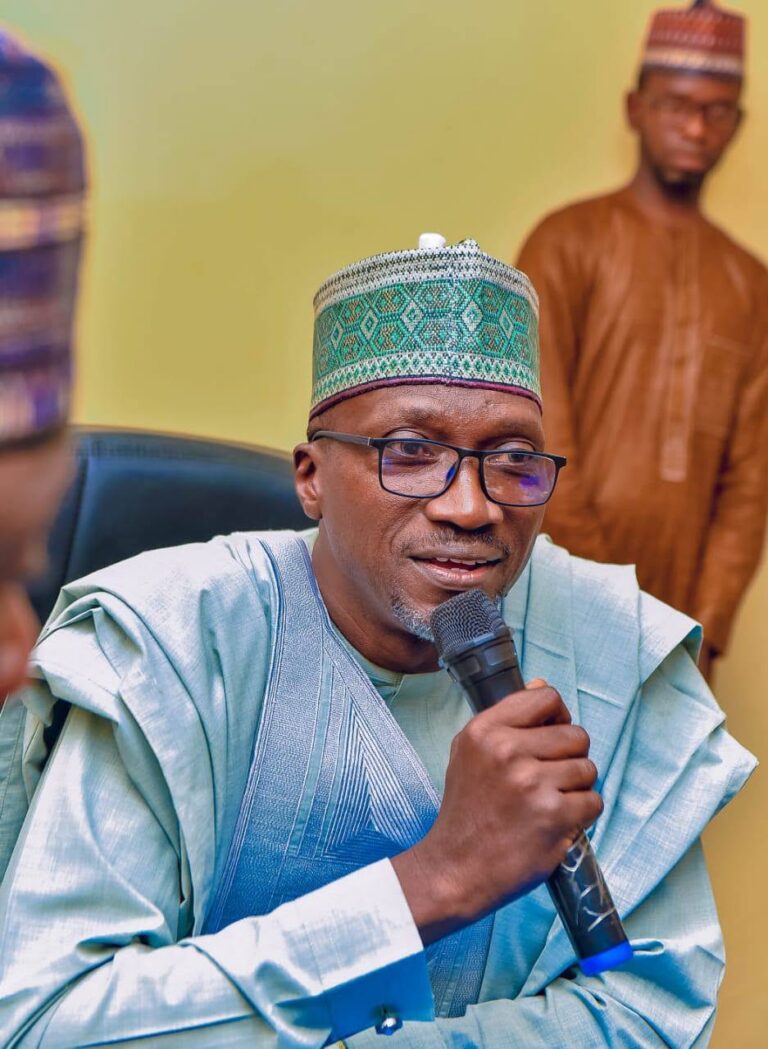
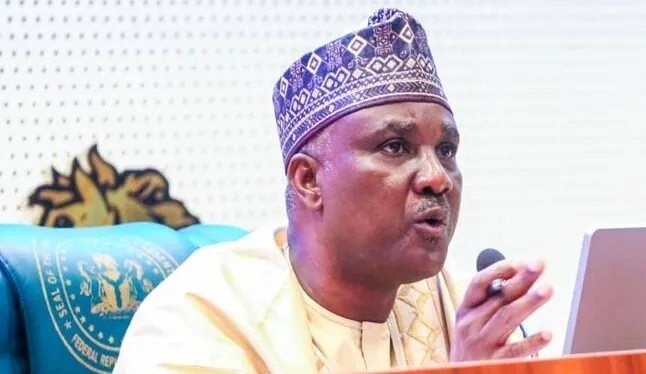
The Speaker of the House of Representatives, Hon. Abbas Tajudeen, has harped on the need for easier and more practical ways to achieve greater women representation in the nation’s polity.
Abbas spoke at the Town Hall and Strategic Roundtable on the Reserved Seats for Women Bill held in Abuja on Wednesday.
The Speaker said those questioning the necessity of special seats in the federal and state assemblies for women must realise that the playing field is not level, stressing that economic barriers, party gatekeeping, political violence, cultural stereotypes and structural obstacles have produced persistent underrepresentation.
However, he noted that many current proposals before the National Assembly on greater women’s inclusion while “urgent and pragmatic” pose the risk of further alienating women from participating in the democratic process as they are “tedious, demanding and burdensome”.
He urged the roundtable to consider commonsense adjustments to the current proposals to produce practical, acceptable and workable formula that allows women to utilise existing campaign structures for governorship, senate and other elections.
The Speaker said, “As you are all aware, the statistics on women’s underrepresentation are dismal. That is why the current proposals before the National Assembly on greater women’s inclusion are both urgent and pragmatic. There are several related bills before the National Assembly, and it is important that we understand their precise content.
“HB 1189, HB 1349 and HB 1421 each propose, in addition to the current three Senators from each State and one Senator from the Federal Capital Territory, one additional Senator for each State and for the FCT who shall be a woman.
“For the House of Representatives, HB 1189 and HB 1421 propose, in addition to the current 360 Members, two additional Members for each State and the FCT who shall be women, while HB 1349 proposes one additional Member for each State and the FCT who shall be a woman.
“For the State Houses of Assembly, both HB 1189 and HB 1349 propose one additional Member from each of the three senatorial districts in the State who shall be a woman. To accommodate these changes, all three bills propose that the Independent National Electoral Commission shall divide each State into two Federal Constituencies to be occupied by women.
“Another proposal, HB 1811, seeks to establish six special seats in the House of Representatives for each of two special interest groups: women and persons living with disabilities, distributed evenly across the six geopolitical zones.
Other News
“It further provides that aspirants to these special seats shall meet all other qualifications for regular seats.
“It recommends a regional electoral college for each geopolitical zone, comprising all national officers of the association from the States within the zone, to determine the final representatives for the special seats.”
He explained, “These proposals are thoughtful and ambitious, yet they raise practical questions that we must confront honestly and address.
“Some recommendations, in their current form, make the pathway more tedious, demanding and burdensome for women seeking election to the House of Representatives.
“A woman aspirant might be required to campaign across an area larger than a single Federal Constituency, possibly the size of a whole senatorial district or even more.
“That is a significant challenge in logistics, finance, and time, especially for first-time aspirants who often face resource constraints.”
Abbas said the reserved seat for women in the Senate and House of Representatives could be achieved by attaching the election to the gubernatorial election for operational and campaign purposes.
He said, “We could maintain the current delineation of senatorial districts and provide three reserved seats for women per State in the House.
“Candidates for the reserved seats could then campaign alongside senatorial candidates, and the elections could be held simultaneously.
“Technically and financially, it would be easier for both pairs of candidates, regular and reserved, to plan together, share structures and spread costs. This approach would also reduce voter confusion and administrative complexity for INEC.”