Follow Us on Google
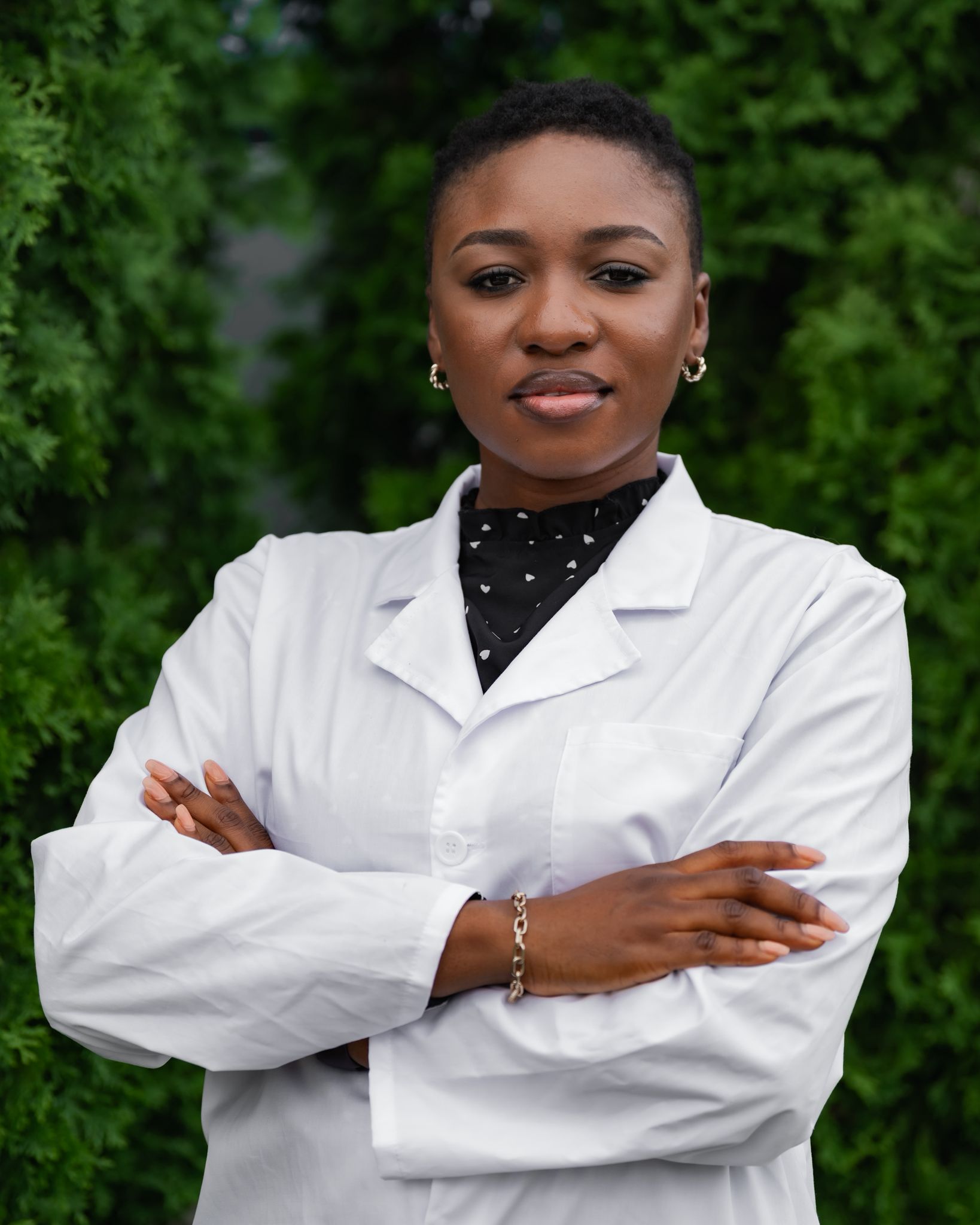
By Taiwo Babatunde
In a region long challenged by outbreaks and underinvestment in diagnostics infrastructure, a new scientific narrative is emerging from West Africa.
At its center stands a biobank in Abuja and one of the young scientists behind it, Chiamaka Francisca Igweonu.
Between 2019 and 2021, Igweonu played a pivotal role in conceptualizing and implementing Nigeria’s first national Lassa Fever Biobank. Housed at the National Biotechnology Development Agency (NABDA) and built in partnership with the NCDC and the African Centre of Excellence for Genomics of Infectious Diseases (ACEGID), the biobank has become a hub for high-integrity biospecimens used in the development of diagnostics and epidemiological research.
“We were losing high-quality samples because there was no proper system,” Igweonu recalled. “So I designed one that could work in our setting; barcode-based, digitally linked, and temperature-monitored.”
The result was a streamlined, scalable specimen handling model adapted to Nigeria’s challenging transport and storage environments. Igweonu’s sample triage algorithm, developed to assess degradation risk in samples arriving from field sites, was especially groundbreaking. It reduced rejection rates by over 70 percent, vastly improving sample usability for national and international research teams.
“It’s not just about storing samples,” she said. “It’s about building trust in our data and capabilities.”
Her system linked each sample to metadata through a secure digital platform, enabling researchers to run retrospective studies with contextual insight. This is particularly important for tracking the evolution of pathogens and informing vaccine design.
Dr. Mayowa Adedayo, a molecular virologist at ACEGID, underscored the significance: “This wasn’t just logistics, it was strategic design. Chiamaka helped us bridge the lab-to-policy gap by making sure the data behind the sample was just as reliable as the sample itself.”
The biobank now supports global health partnerships, including studies funded by CEPI and FIND. Nigeria, once seen as a recipient of external diagnostic tools, is now contributing its data to the international community. Much of that credibility is rooted in systems Igweonu helped build.
Her work is also shaping institutional practices. NABDA has since expanded its biobanking framework to include samples related to COVID-19, yellow fever, and other diseases. The model has become a national reference for biospecimen management; adaptable, efficient, and built for continuity.
Asked if she sees herself as a leader in her field, Igweonu deflected the question. “Leadership isn’t about being the face of something,” she said. “It’s about solving the right problems, and making sure what you build can outlive you.”
As Africa prepares for future pandemics and new health threats, the continent will need both innovation and robust infrastructure. In Chiamaka Igweonu’s work, Nigeria has quietly claimed both.