Follow Us on Google

• Says policies alone cannot fix country
_________________________________________________________________________
From Juliana Taiwo-Obalonye and Francis Onyedikachukwu, Abuja
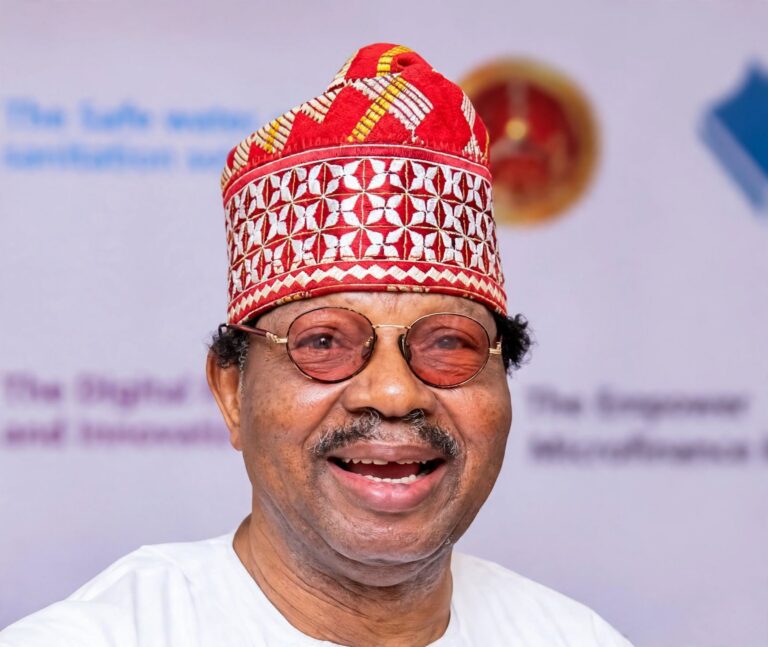
Nigeria’s institutions will remain weak without competent and principled people to manage them, warns former Aviation Minister Chief Osita Chidoka, insisting that policies alone cannot deliver meaningful reforms.
Chidoka said the country’s governance challenges required deliberate investment in human capacity, particularly young Nigerians who could translate policies and research into practical results.
“Institutions do not build themselves; people build them,” he said, arguing that even well-designed policies could fail when those responsible for implementation lacked the capacity to analyse issues, question assumptions and prioritise public interest.
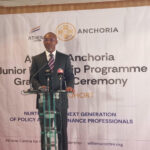
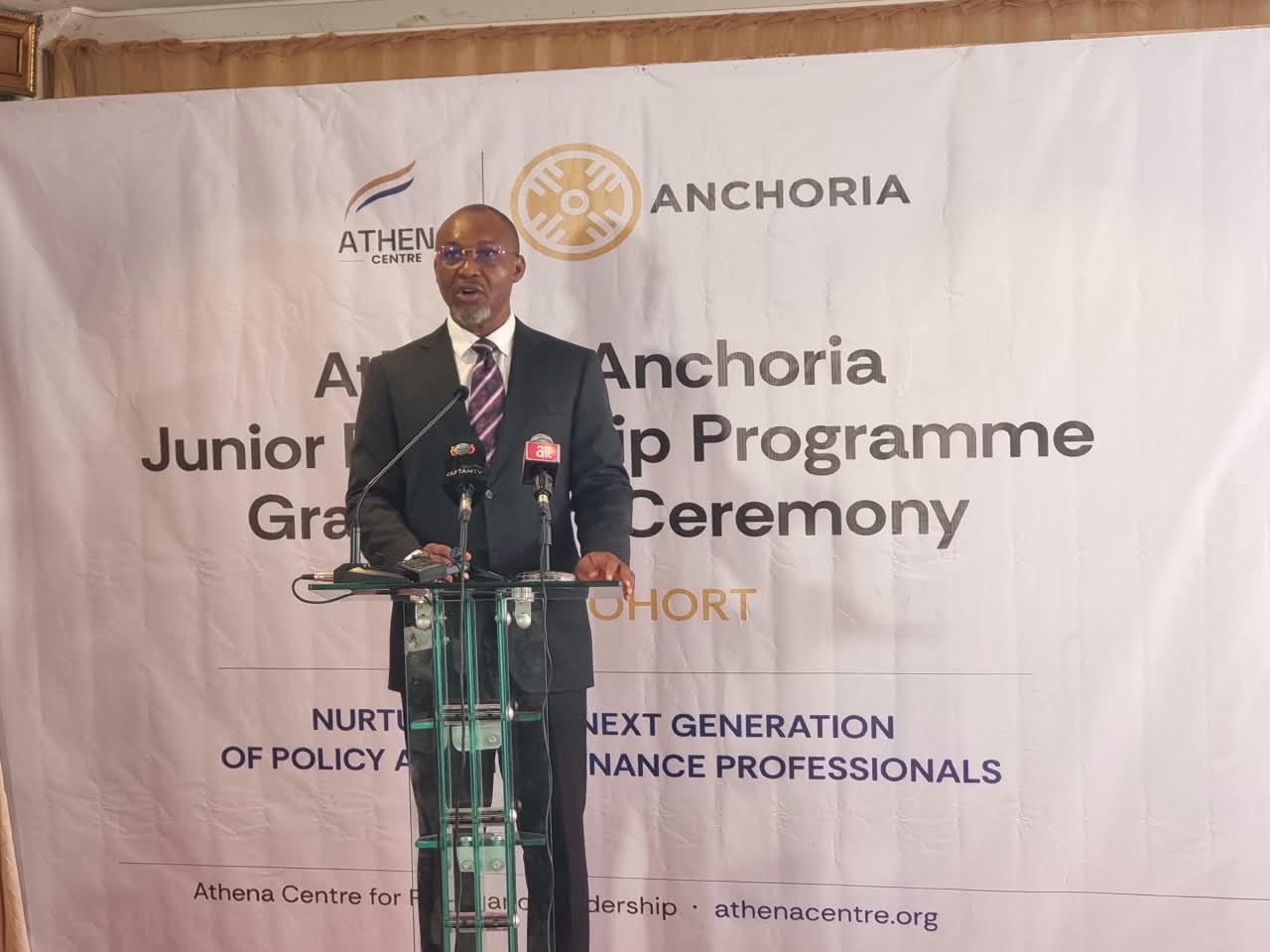
He spoke at the graduation ceremony of the inaugural Athena-Anchoria Junior Fellowship, where 13 young Nigerians completed a six-month leadership programme covering public policy, democratic governance, institutional reforms and financial literacy.
Chidoka, Founder and Chancellor of the Athena Center for Policy and Leadership, said the fellowship was established to address the human capacity gap in Nigeria’s public institutions.
According to him, the country’s public service struggles to attract and retain skilled professionals, while many civil servants acquire substantial institutional experience only late in their careers.
He said young Nigerians must be exposed early to governance, mentorship and professional development to prepare them for effective participation in policy formulation and implementation.
Drawing from his experience as a personal assistant to several ministers before becoming a minister himself, Chidoka said early exposure and mentorship had helped shape his public service career.
Describing the fellows as part of the “human software of Nigeria”, he said the programme was designed to develop people capable of turning policy ideas into tangible outcomes.
“This fellowship is the practical expression of that belief. It is not a side project. It is not a conventional training course. It is the logical extension of everything Athena exists to do: building the people who will build Nigeria’s institutions,” he said.
The six-month programme, organised in partnership with Anchoria Capital Group, combined governance and public policy training with practical lessons in financial literacy, investment and financial decision-making.
Chidoka said the partnership exposed participants to the relationship between governance and economic management, noting that policy decisions often carried significant economic implications.
Chidoka disclosed that Athena was exploring opportunities to connect the graduates with government agencies and private-sector organisations, adding that some companies had already expressed interest in employing them.
Other News
He said the centre would also promote their profiles to prospective employers, while the fellowship’s expansion would depend largely on partnerships with individuals and private-sector organisations.
Challenging the graduates to justify the investment in their development, Chidoka said their impact on the institutions they served would determine the programme’s long-term value.
“No one expects any one of you to fix Nigeria alone, but we do expect each of you to leave every institution you touch a little better than you found it and to help those who follow you do the same,” he said.
“Today we celebrate what you have learned. Tomorrow Nigeria will judge what you do with it,” he added.
The pioneer cohort comprised 13 fellows from 11 states, all six geopolitical zones, 13 universities and 11 academic disciplines. The programme received more than 600 applications, he disclosed.
A highlight of the ceremony was the presentation of policy research projects addressing consumer protection, regulatory accountability and mental health awareness in secondary schools.
One of the fellows, Augustina Abakpa, examined concerns over fake and substandard consumer products, recommending better coordination among regulatory agencies, effective complaint-reporting channels and quarterly public reports.
Another fellow, Angelica Ekwueme, advocated integrating mental health literacy, emotional intelligence and stress management into Nigeria’s secondary school curriculum, drawing lessons from South Africa and Kenya.
In his valedictory address, the best graduating fellow, Ezekiel Adebisi, said the fellowship had strengthened participants’ understanding of policymaking, institutional design and national development.
He said the programme taught them to look beyond headlines, question assumptions and examine stakeholder interests in policy decisions.
Another fellow, Adeshina, said democracy extended beyond elections to the effectiveness of institutions in delivering public services and protecting citizens’ interests.
“Democracy is not just about elections, but it is also about the institutions that are working,” he said.
He urged his colleagues to apply their knowledge to strengthening institutions rather than merely pursuing positions of influence.
“Graduation is not the conclusion of our responsibility. It is the beginning of its practical expression,” he said.