Follow Us on Google

From Isaac Anumihe, Abuja
Human rights advocate, Mr. Femi Falana(SAN) has decried a situation where over 90 per cent of land in Nigeria is in dead capital.
Dead capital means the vast land exists but is not being used productively. The asset has value on paper but cannot be turned into wealth or used to generate economic benefits because they are not legally documented, not marketable, or inaccessible for investment or credit.
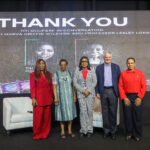
Falana presented a position paper yesterday on the second day of the ongoing 30th Conference of Directors of Lands in Kano, where he gave a detailed analysis on the reform of Nigeria’s land administration system.
He stressed that as the land sits idle, undermines mortgage access, hinders housing development and limits economic participation.
The human rights activist, however, urged the government to ensure that the Land4Growth programme remains inclusive, accessible and free of financial burden for citizens, especially vulnerable households in rural communities.
Other News
Accordingly, he called for a financing structure that places the responsibility of titling costs squarely on the government while ensuring legal enforcement and transparency at every stage of implementation.
He further noted that the success of the programme must go beyond digitisation and urban pilots, warning that without parallel reforms in the enforcement of the Land Use Act and protection of customary rights, digitisation could simply “modernise the old inequities.”
He also advocated a stronger linkage between land titling and financing mechanisms under existing laws like the National Housing Fund and Federal Mortgage Bank frameworks, so that formal titles translate directly into real access to mortgages and mass housing delivery.
The Senior Advocate, therefore, made a strong call to action to stakeholders across government institutions, financial institutions, developers, civil society, and youth to treat the Land4Growth programme as a national development imperative, not just a technical exercise.
“No country can develop without proper land documentation,” he declared, urging stakeholders to seize the moment to restructure Nigeria’s land sector into a transparent, equitable, and economically empowering system for all citizens.