Follow Us on Google
From Fred Ezeh, Abuja
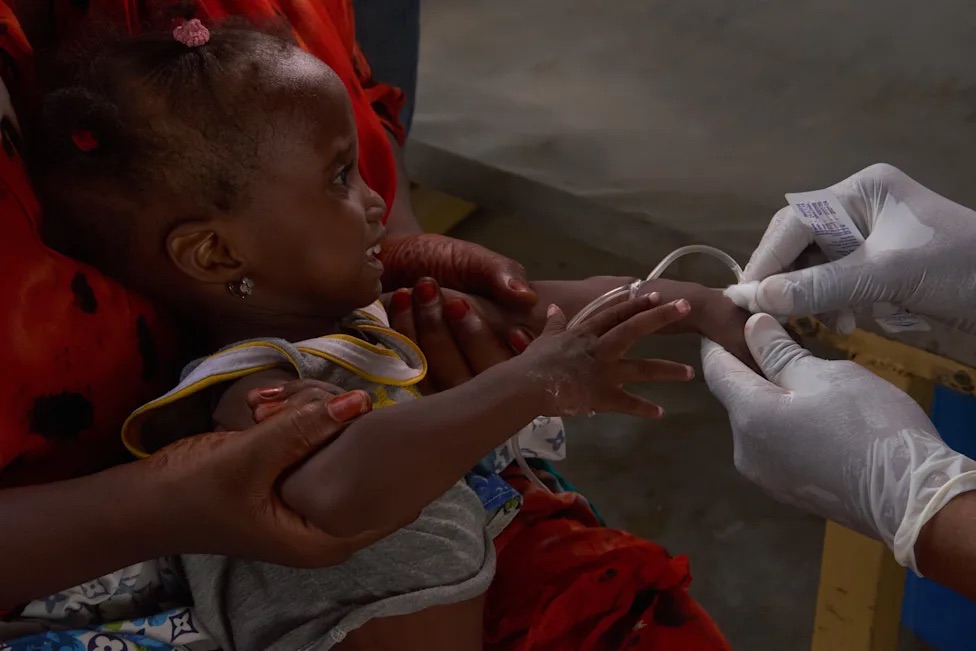
A rapidly spreading cholera outbreak in Borno State has claimed 74 lives and infected thousands of residents, placing immense pressure on healthcare facilities and prompting an intensified emergency response by health authorities and humanitarian organisations.
The international medical humanitarian organisation, Médecins Sans Frontières (MSF), otherwise known as Doctors Without Borders, disclosed this yesterday.
MSF said the cholera outbreak has continued to escalate since the first suspected case was reported on May 1, with the number of infections rising sharply across affected communities.
It made reference to recent data from the Borno State Ministry of Health, which indicated that a total of 7,850 suspected cholera cases had been recorded across 14 local government areas and 50 wards as of June 7, while 74 deaths were reported at both health facilities and community levels.
It said the growing number of infections has overwhelmed existing treatment facilities, forcing authorities and partners to expand emergency healthcare services in Maiduguri and surrounding areas.
In response to the outbreak, MSF, in collaboration with the Borno State Ministry of Health, announced the establishment of a Cholera Treatment Centre (CTC) in Ngarannam, Maiduguri, on May 7 to respond to the growing challenge.
MSF noted that as patient admissions surged, the facility’s bed capacity was expanded from 121 to 271, with provisions for further expansion if needed.
The organisation also opened a 20-bed Cholera Treatment Unit (CTU) in Dalaran, another affected area of the state capital, to accommodate the increasing number of patients seeking treatment.
MSF said it had treated 7,439 patients at the two facilities as of June 7, averaging about 230 admissions daily. The organisation said it also recorded its highest single-day intake on June 5, when more than 500 patients suffering from acute watery diarrhoea were admitted for treatment.
Speaking on the situation, MSF Project Medical Coordinator for the surge response in Maiduguri, Bienfait Tombola, expressed concern over the increasing severity and spread of the disease. “Every day, we see more people arriving with severe watery diarrhoea and dehydration, many of whom have travelled long distances to reach care,” he said.
Tombola noted that collaboration among the Ministry of Health, MSF and other partners had enabled a rapid scale-up of emergency interventions, but warned that the continued increase in infections indicated that additional measures were urgently needed to curb transmission and improve access to timely treatment.
Beyond the clinical care, MSF said it was supporting the wider response through the training of healthcare workers, establishment of oral rehydration points, health awareness campaigns, water chlorination activities, sanitation interventions and strengthened referral systems.
The organisation is also assisting the government authorities with disease surveillance and case management efforts aimed at containing the outbreak. Despite these interventions, MSF warned that the scale and speed of the outbreak continue to exceed available response capacity.
It attributed the spread of cholera and other water-borne diseases to poor access to clean water, sanitation and hygiene facilities, particularly in densely populated and underserved communities.
Tombola welcomed plans by the Borno State Ministry of Health to conduct a cholera vaccination campaign, describing it as a critical step towards interrupting transmission and reducing new infections.
He stressed, however, that sustainable investments in clean water supply, sanitation infrastructure and hygiene services remain essential to preventing future outbreaks and safeguarding vulnerable communities.
MSF reaffirmed its commitment to supporting the Borno State Ministry of Health and other partners in delivering lifesaving treatment and strengthening the ongoing efforts to contain the outbreak across the state.