Follow Us on Google
From Juliana Taiwo-Obalonye, Abuja
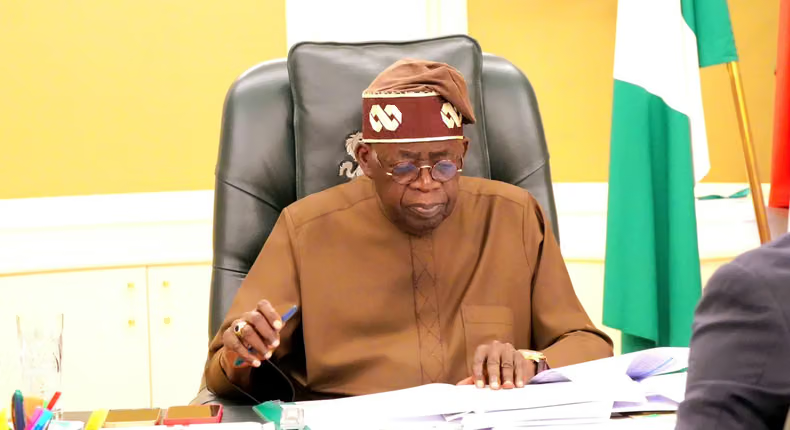
President Bola Tinubu has signed the Peace Accord ahead of the 2027 general elections, warning political parties, candidates and their supporters against violence, hate speech and the use of ethnic and religious sentiments to win votes.
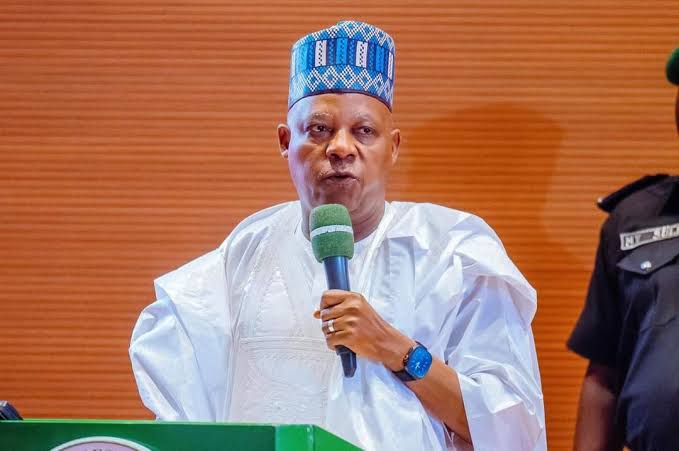
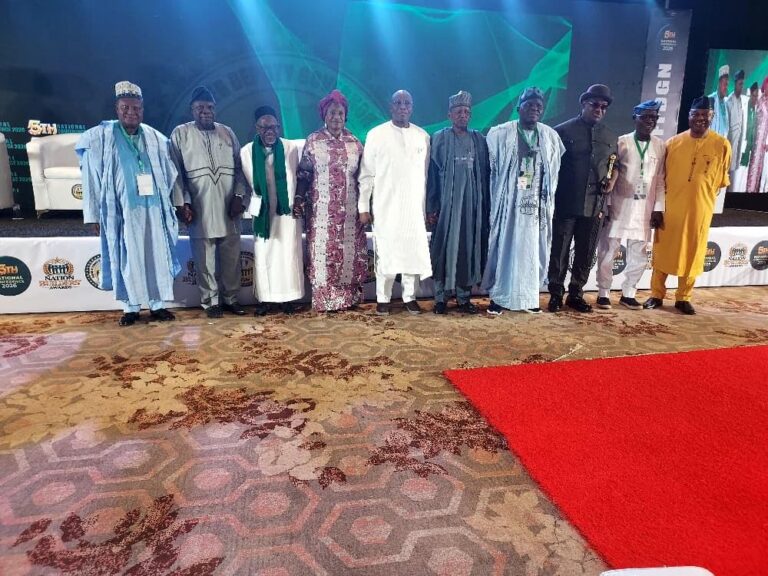
Tinubu, represented by Secretary to the Government of the Federation (SGF), George Akume, gave the warning yesterday in Abuja at the signing ceremony convened by the National Peace Committee (NPC).
The President said political disagreements were normal in a democracy but warned that the contest for power must not be allowed to threaten national unity.
“In the spirit of the accord we have just signed, we must conduct ourselves in ways that strengthen, not tear, the fabric of our society,” he said.
Tinubu urged politicians to make the 2027 campaign a contest of ideas, policies and programmes capable of improving the lives of Nigerians, rather than a battle driven by primordial sentiments.
“We may exchange occasional political jabs. But as members of the same household, the same national family, we must never resort to divisive or primordial sentiments of ethnicity or religion as tools for seeking power.”
He also pledged his commitment and that of the All Progressives Congress (APC) to the accord, saying the ruling party would reject violence, hate speech, misinformation and incitement throughout the election period.
“As the campaign season kicks off, I commit myself and my party, the All Progressives Congress, to the tenets of this accord,” he said.
“Our party rejects violence, hate speech, the spread of misinformation, including through artificial intelligence, and all forms of incitement, especially via social media.”
He urged other political parties and their candidates to make similar commitments, stressing that elections should not be treated as a do-or-die contest.
Other News
“Let us remember that elections are not a do-or-die affair. We are partners in the project of nation-building. Win or lose, our country, Nigeria, must be the ultimate winner,” Tinubu said.
The President commended the National Peace Committee, particularly former Head of State Abdulsalami Abubakar, the Sultan of Sokoto and Bishop Matthew Hassan Kukah, for sustaining the initiative since 2014.
He said the committee had facilitated commitments by political parties and candidates to peaceful and issue-based campaigns during general and off-cycle elections.
Tinubu acknowledged the tension that usually accompanies elections because of intense competition for political power but said Nigeria had made significant progress in electoral administration since the return to democracy in 1999.
He cited the deployment of technology by the Independent National Electoral Commission (INEC), including the Permanent Voter’s Card and Bimodal Voter Accreditation System (BVAS), as measures that had strengthened the electoral process.
According to him, the innovations had helped reduce voting manipulation, ballot stuffing and ballot snatching while increasing confidence that votes would count.
The President also cited recent off-cycle governorship elections in Anambra, Ekiti and Osun states as evidence of progress in Nigeria’s electoral process, saying credible elections remained essential to reducing post-election disputes and consolidating democracy.
He described the Peace Accord as a solemn commitment by political leaders to place national interest above personal and partisan ambitions and ensure peaceful and transparent elections in 2027.
Tinubu also called on citizens, civil society organisations, development partners and the media to support efforts to strengthen democracy, stressing that democracy extended beyond elections to include civic participation, confidence in public institutions, good governance, justice and equity.
He expressed confidence that adherence to the accord by political parties, candidates and their supporters would help secure peaceful campaigns and credible elections while strengthening Nigeria’s political stability and social harmony.