Follow Us on Google

From Ndubuisi Orji, Abuja
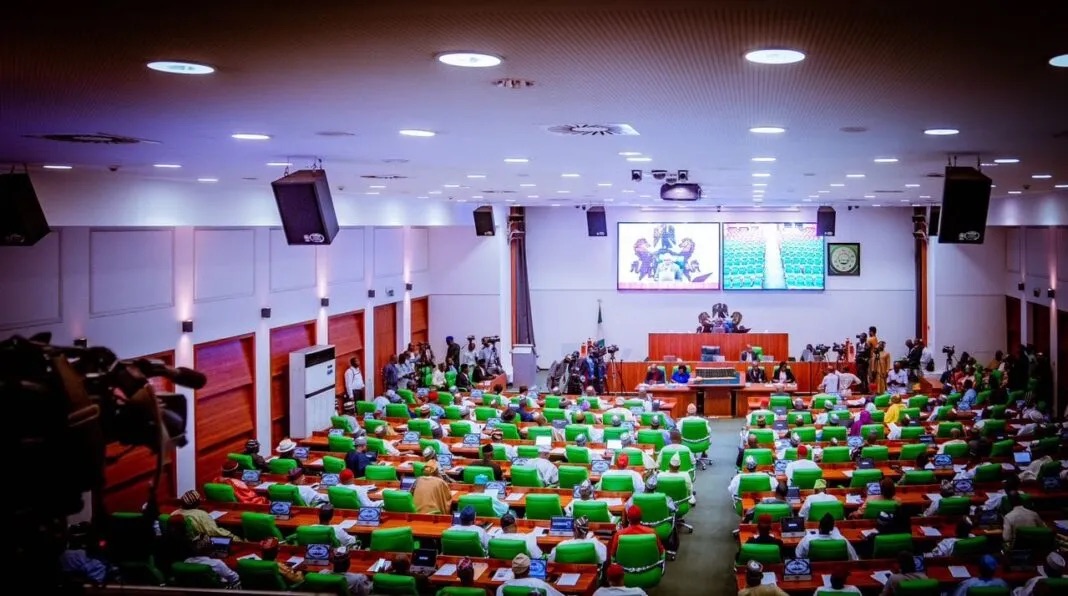
The House of Representatives has summoned the Chairman of the Independent National Electoral Commission (INEC), Professor Joash Amupitan, to appear before its Committee on Electoral Matters within seven legislative days to explain the commission’s preparedness for the 2027 general election.
The lawmakers expressed concern over reported difficulties in the ongoing Continuous Voter Registration (CVR), possible funding gaps, election technology, logistics and security challenges, warning that failure to address the problems could undermine public confidence in the electoral process.
The invitation followed the adoption of a motion sponsored by the Minority Whip, Mansur Manu Soro, and Deputy Minority Leader, Abdussamad Dasuki, entitled, “Need for a Comprehensive Assessment of the State of Readiness of INEC for the Conduct of the 2027 General Elections,” at plenary yesterday.
Amupitan is expected to brief the committee on the status of voter registration, production and distribution of Permanent Voter Cards (PVCs), readiness of the Bimodal Voter Accreditation System (BVAS) and INEC Result Viewing Portal (IReV), as well as the recruitment and training of electoral personnel.
The lawmakers also demanded details of budgetary appropriations, funds released, outstanding allocations and the implications of funding shortfalls for the commission’s preparations.
Other areas of concern include election security, identification of high-risk areas, logistics, risk assessment strategies and lessons from the recent Ekiti State governorship election.
Leading debate on the motion, Soro said the credibility and transparency of the 2027 general election would depend largely on INEC’s preparedness in voter registration, voter education, technology deployment, personnel training, security coordination, funding and timely implementation of the electoral timetable.
According to him, “the recently concluded Ekiti State Governorship Election has provided useful lessons on election administration, deployment of technology, logistics management, stakeholder engagement, security and voter participation, which should guide preparations for the forthcoming general elections.”
He expressed concern over reports of operational difficulties at voter registration centres across the country, including inadequate equipment, shortage of personnel, poor network connectivity and prolonged waiting times.
Soro said the challenges had become particularly troubling amid growing demand from Nigerians seeking to register or update their voter records ahead of the elections.
He noted that the difficulties disproportionately affected first-time voters, rural residents, persons with disabilities, students and workers, potentially denying eligible Nigerians the opportunity to participate in the electoral process.
The lawmaker said reports from CVR centres had highlighted “challenges including inadequate registration equipment, limited staff, network issues, prolonged waiting times, and increased demand from citizens wishing to register or manage their voter records.”
He added that “these operational difficulties particularly affect first-time voters, rural citizens, individuals with disabilities, students, and workers, limiting their access to registration and threatening the participation of eligible voters in the electoral process without timely interventions.”
Soro stressed that early preparations were essential to ensure timely procurement of electoral materials, deployment of technology, recruitment and training of personnel, effective voter education, security planning and nationwide logistics.
He warned that delays in addressing operational deficiencies and funding gaps could erode public confidence and “compromise the peaceful conduct of the 2027 general elections.”
The House consequently directed its Committee on Electoral Matters to undertake a comprehensive assessment of INEC’s preparations, with the commission’s chairman expected to provide detailed explanations on the identified areas within seven legislative days.