Follow Us on Google


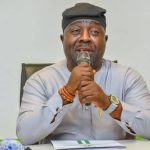
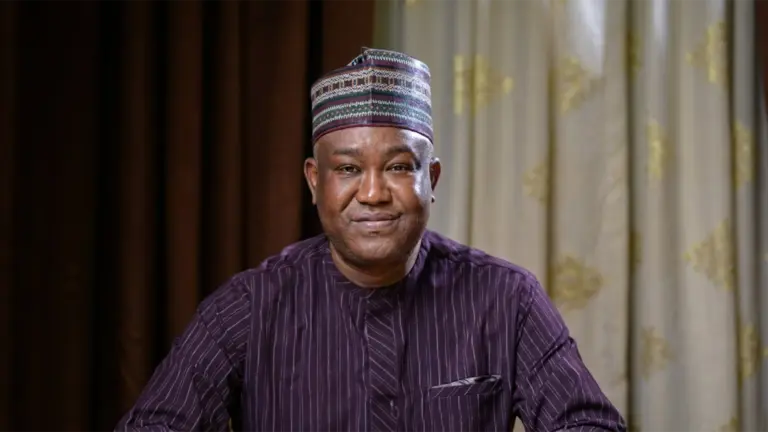
Former Ekiti Central senator, Babafemi Ojudu has said he is yet to decide which presidential candidate to vote for in 2027, because those seeking the office have not clearly explained how they intend to address Nigeria’s most pressing problems.
Ojudu, who served as Special Adviser on Political Matters to former President Muhammadu Buhari, made the remark in an essay titled “Big Jeeps, Small Ideas: Nigeria’s Politics of Mediocrity,” published on Facebook on Saturday.
He said, “A senior friend and former colleague in the Senate recently asked whom I would vote for as President in the next election.
“‘I do not know yet,’ I replied.
“That remains my position. I have yet to hear, with sufficient clarity and conviction, how those seeking the office intend to address Nigeria’s most pressing problems. My vote must rest on more than personal affection, ethnic solidarity or party affiliation.”
He said Nigeria’s politics is “crowded with personalities and starved of sustained engagement with ideas,” adding that too many aspirants can explain whom they must defeat more convincingly than what they intend to build.
“Opposition is not an agenda. Incumbency is not an ideology. Neither excuses intimidation, political violence or the substitution of influence for persuasion,” he said.
Ojudu contrasted the present with the Second Republic, when he said parties offered identifiable programmes.
He cited Obafemi Awolowo’s Unity Party of Nigeria and its four cardinal programmes of free education, free health services, full employment and integrated rural development, and the National Party of Nigeria’s Green Revolution and low-cost housing under the slogan “One Nation, One Destiny.”
He also cited Aminu Kano, who through the Northern Elements Progressive Union and later the Peoples Redemption Party gave political expression to the aspirations of the talakawa.
“How many who claim these political inheritances accept their intellectual obligations? How many professed heirs of Awolowo can sustain a serious discussion of public education, fiscal priorities and rural development? How many admirers of Aminu Kano will question privileges from which they benefit?” he asked.
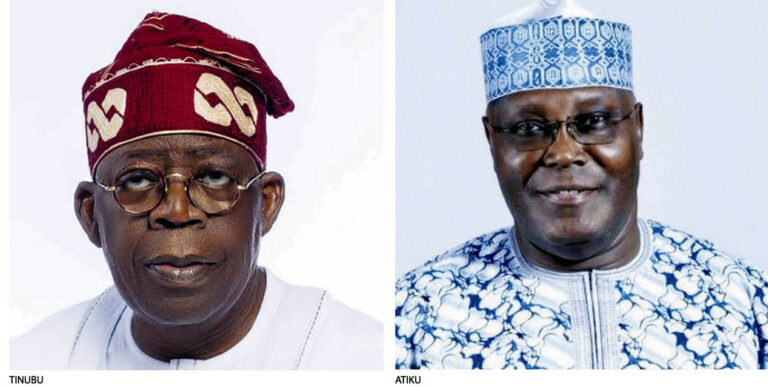
Ojudu said it would be unfair to claim that presidential contenders in 2023 had no policy documents, noting that Bola Tinubu, Atiku Abubakar and Peter Obi, among others, presented manifestos.
The problem, he said, was what happened to those documents after their presentation.
“A manifesto should guide a campaign, discipline a government and give citizens a basis for judging performance between elections. Too often, it recedes once the launch ceremony ends,” he stated.
He argued that President Bola Tinubu, as incumbent, bears a particular responsibility to explain his record and the case for continuing his administration.
Other News
He asked, “What has improved, and for whom? What has fallen short? Which assumptions require revision? What will change? When should citizens expect improvements in household incomes, employment and personal security?
“What would another four years deliver, and how would progress be measured?”
On national unity, Ojudu said he had heard far too little from those seeking the presidency about how they intend to rebuild a sense of belonging amid deep ethnic, religious and regional mistrust.
“National unity cannot be sustained by slogans alone. It requires fairness in appointments, equity in public policy, respect for our diversity and institutions that protect every citizen,” he said.
He used the recent donation of seven new 2026 Toyota Land Cruiser Prado SUVs to APC youth leaders, confirmed by First Lady Oluremi Tinubu on October 26, to illustrate what he called the politics of mobilisation over ideas.
“Party organisation requires transport. The legitimate question is how that investment serves a substantive engagement with citizens.
“What commitments will the occupants explain to a mother struggling with school expenses, a trader whose working capital is shrinking or a graduate searching for employment? What will they say to the woman frying akara whose day’s labour yields barely enough to sustain her household?
“The organiser receives a vehicle. What credible prospect of improvement does the citizen receive?” he stated.
Ojudu said the opposition has an equally serious obligation to present a coherent alternative.
“An alternative government requires more than an assembly of prominent people united by dissatisfaction with the incumbent. It requires a coherent explanation of how the country would be governed differently,” he said.
He proposed that each major contender present five central commitments, explain their funding and publish a timetable, while public debates test those commitments through informed questioning.
Ojudu said, “Let those seeking power present programmes clear enough to be understood, substantial enough to be debated and precise enough to be judged. Let incumbents account for their stewardship, and let challengers demonstrate their readiness.
“Our votes should follow that examination.
“Until then, the expensive vehicles will continue to pose an uncomfortable question. They show us how comfortably the organisers intend to travel. They tell us far too little about where they intend to take Nigeria.”