Follow Us on Google
By Chinenye Anuforo
Technology and telecommunications stakeholders have warned that poor connectivity; cybersecurity vulnerabilities, misinformation and inadequate digital infrastructure could undermine the credibility of Nigeria’s 2027 general elections if urgent measures are not taken.
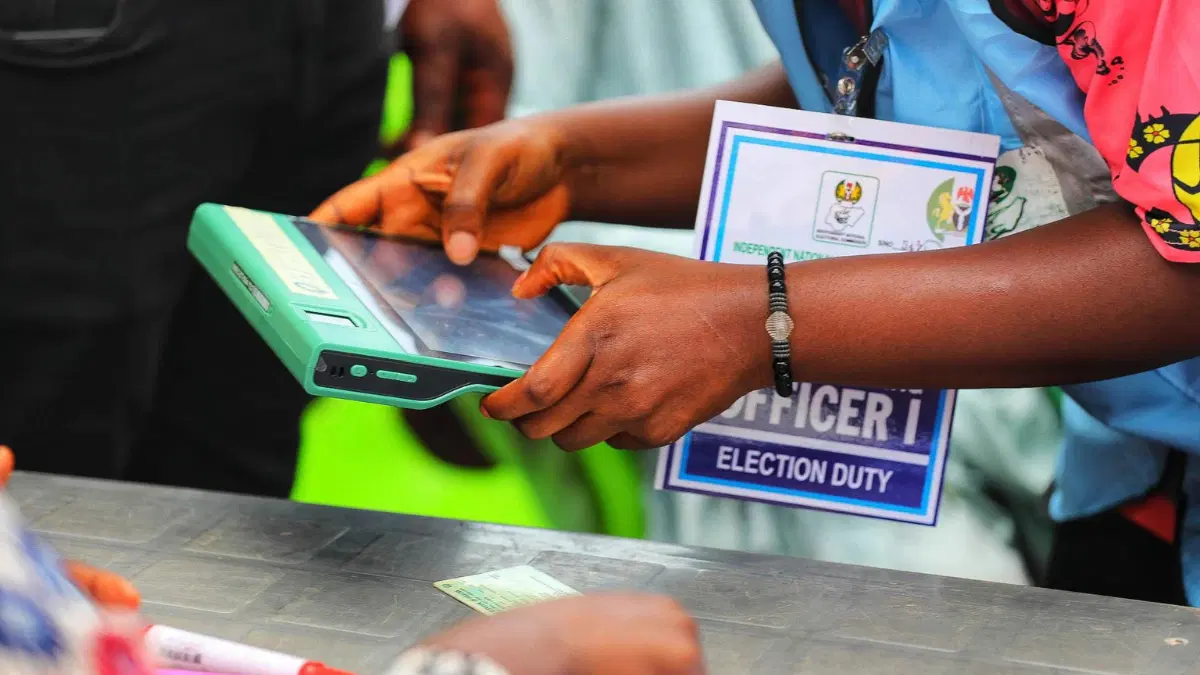
The stakeholders, who spoke at the Nigeria eGovernment Summit 2026 in Lagos, also warned that weaknesses in the country’s digital and telecommunications infrastructure could erode public confidence in election results and deepen disputes over the outcome of the polls.
They called for sustained investment in electoral technology and infrastructure, insisting that election technology must no longer be treated as a project activated only every four years.
The summit, with the theme, “Mainstreaming Technologies in Nigeria Election Management,” brought together stakeholders from the technology, telecommunications and digital governance sectors to examine how technology can strengthen Nigeria’s electoral process ahead of 2027.
Chairman of the Nigeria eGovernment Summit, Lanre Ajayi, said Nigeria had moved beyond the question of whether technology should be deployed in elections, stressing that the priority now should be to make technology a permanent, trusted and reliable part of election management.
Other News
According to him, the country must move from “pilot projects and contested deployments” to an electoral system where technology is fully embedded and trusted by citizens.
Ajayi warned that an election lacking public trust could become a crisis of legitimacy.
He noted that biometric voter registration, voter authentication and electronic transmission of results had significantly changed election administration, but expressed concern over infrastructure gaps, cybersecurity vulnerabilities and low digital literacy.
He said these weaknesses could become major threats to confidence in the electoral process if they were not addressed before the 2027 polls.
Also speaking, President of the Internet Society, Nigeria Chapter, Kunle Olorudare, represented by Mrs. Gbemisola Esho, identified technology resilience, digital rights and information integrity as critical pillars for credible elections.