Follow Us on Google
From Sola Ojo, Kaduna
In the past 14 months, President Bola Tinubu-led Federal Government has made some critical economic policies and decisions aimed at reshaping and redirecting the country’s sick economy to the right path based on socio-political calculations and assumptions.
Some of those policies are the removal of fuel subsidy and floating of naira.
Although economists have argued in support and against these critical decisions, but the majority of Nigerians, especially those in Boko Haram and bandits ravaged states are finding it difficult to feed due to high inflation rate on staples on one side and their inability to cultivate their lands.
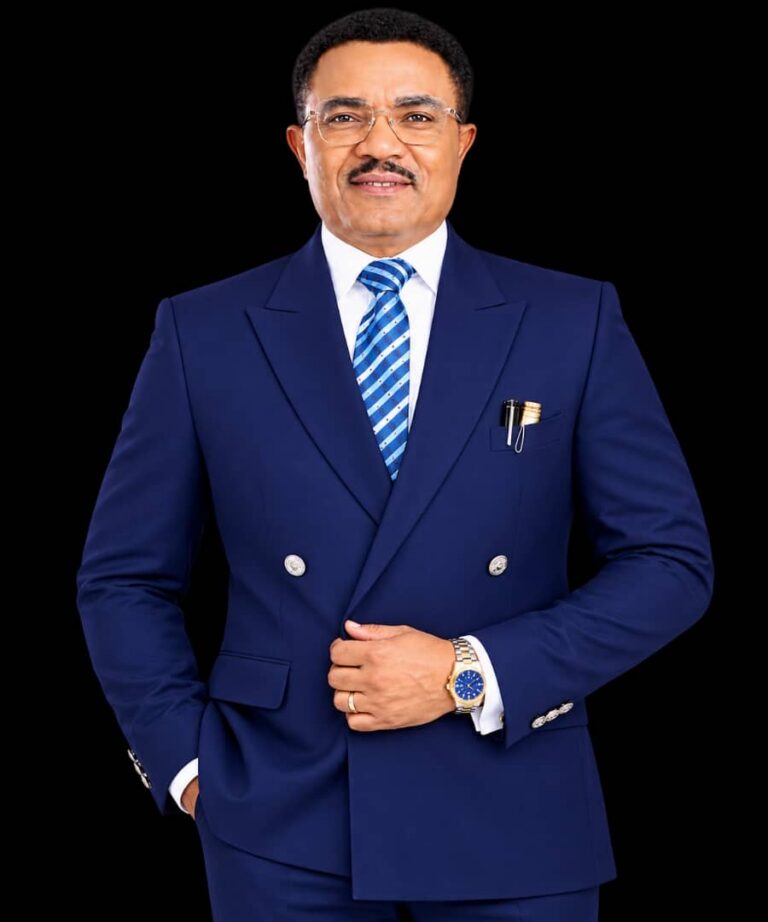
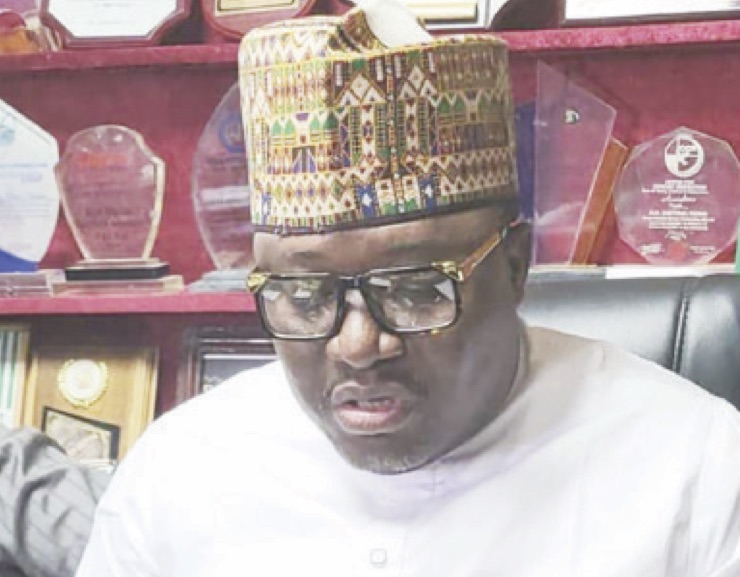
In this interview with Sunday Sun in Abuja, the National President, Arewa Youth Consultative Forum (AYCF), Alhaji Yerima Shettima, spoke on the implications of some of those development to the 2027 general elections if nothing tangible is done about them. Excerpts:
What is your take on the ongoing debate on plans to procure two new jets to add to the presidential fleet especially as the Senate vowed to go ahead despite concerns raised by Nigeria on timing?
The ongoing debate surrounding the plans to procure two new jets to add to the presidential fleet has sparked controversy and divided opinions among the public and policymakers. The Senate’s vow to go ahead with the procurement has only added fuel to the fire, with many questioning the necessity and justification for such a move. Proponents of the procurement argued that the addition of new jets to the presidential fleet is essential for the safety and security of the president and other high-ranking officials. They argued that the current fleet is outdated and unreliable, posing a risk to the safety of those on board, claiming that having a modern and efficient fleet is crucial for maintaining the country’s image and prestige on the global stage. On the other hand, critics of procurement questioned the need for such an extravagant expenditure, especially in a time of economic uncertainty and budget constraints. They argued that the funds allocated for the procurement could be better spent on more pressing issues such as healthcare, education, and infrastructure development. The debate also raised questions about transparency and accountability in government spending. We are concerned about the lack of transparency surrounding the procurement process and the potential for corruption and mismanagement. The government needs to be transparent and accountable in its decision-making processes, especially when it comes to spending public funds.
Do you see a possibility of political gladiators from the opposition and disloyal members of the All Progressives Congress (APC) using some of the economic and political decisions of Tinubu against him in 2027?
President Tinubu’s close ties to certain political figures and business interests have raised concerns about corruption and cronyism within his administration. Opponents may leverage these connections to accuse him of nepotism and favoritism, further damaging his reputation before voters. Again, his handling of social issues such as healthcare and education may also come under scrutiny in the 2027 elections and failure to quickly and smartly address these issues squarely would be used as evidence of his incompetence and lack of concern for the welfare of the Nigerians. So, there is a strong possibility that President Tinubu’s political adversaries will use some of his economic and political decisions against him in the 2027 elections.
Already, politicians have started planning for the 2027 round of elections as hunger, unemployment, and dwindling security persist in the country while Mr. President keeps asking for more time, do you see inflation dropping in such a way that skyrocketed prices of things can come down anytime soon?
In Nigeria, the issue of inflation has been a major challenge for many years, with prices of essential goods and services skyrocketing, making it difficult for many people to afford necessities. Like I said, the current situation is worrisome, as the country is facing some economic challenges, including high levels of unemployment, widespread poverty, and security issues. Despite these challenges, people in government seem to be more focused on planning for the 2027 elections rather than addressing the pressing issues facing the country. This lack of focus on the economy and the well-being of the population is likely to exacerbate the problem of inflation and lead to further increases in prices. One of the main drivers of inflation in Nigeria is the high level of government spending, which has led to an increase in the money supply and put pressure on prices. What this means is that the government’s failure to effectively manage its finances and rein in spending has contributed to the problem of inflation and made it difficult for the central bank to control price increases. In addition, the lack of investment in key sectors of the economy, such as agriculture and manufacturing, has led to a reliance on imports, which has further fueled inflation. So, to bring down prices, the government needs to take urgent action to implement fiscal and monetary policies that will help to stabilise the economy and reduce inflationary pressures and at the same time invest in key sectors of the economy, such as agriculture and manufacturing, to boost production and reduce reliance on imports, and tackle the issue of corruption, which has been a major driver of inflation in Nigeria.
Other News
Will the North support Tinubu in 2027?
The question of whether North will support him in the 2027 elections is a topic of much speculation and debate. As a prominent figure in Nigerian politics, he has garnered both support and criticism for about four decades. So, North as a key player in the political landscape, holds significant influence and could potentially sway the outcome of the elections. One key factor is North’s political alignment and shared interests. Tinubu and North may have similar policy goals or ideologies that could lead to a natural alliance. Additionally, his track record and reputation in Nigerian politics may also play a role in North’s decision. On the other hand, some factors could lead North to withhold support from Tinubu in 2027. If his policies and actions continue to be perceived as detrimental to North’s interests or the interests of the Nigerian people, North may choose to distance itself from him.
What is your assessment of Tinubu’s ministers in helping him deliver his renewed agenda to Nigerians, are there lapses to be addressed?
Yes, while some ministers have been effective in implementing policies and programmes that align with his vision, others have fallen short of expectations. One of the key areas where there have been lapses is in the area of transparency and accountability which are essential components of good governance. I mean, his ministers must uphold these principles in their work. Unfortunately, there have been instances where ministers have been accused of corruption and mismanagement of funds.
Another area where there have been lapses is in the implementation of key policies and programmes of government. While Tinubu’s ministers have made some progress in delivering on his agenda, there have been delays and inefficiencies in the execution of certain initiatives.
So, to address these lapses, he must take decisive action to hold his ministers accountable for their actions. This includes conducting thorough investigations into allegations of corruption and ensuring that those found guilty are held responsible. Mr. President should provide more oversight and guidance to his ministers to ensure that they are effectively implementing his renewed hope agenda.
Many northern voices of reasoning had critisised the appointments of Nyesom Wike as FCT Minister and Festus Keyamo as Aviation Minister, have these two been able to justify their appointments in the past one year?
Yes, Nyesom Wike, who was appointed as the FCT Minister, has faced criticism for his handling of the affairs of the capital city. Nigerians were skeptical about his ability to effectively manage the FCT, given his background as a governor from distant Rivers State. Surprisingly, he has made significant strides in improving the infrastructure and services in the FCT. He has initiated several projects aimed at enhancing the quality of life for residents, such as road construction, waste management, and urban renewal programmes. He has worked to improve security in the FCT, implementing measures to combat crime and ensure the safety of residents. Overall, Wike has demonstrated a commitment to fulfilling his responsibilities as the FCT Minister and has made tangible progress in addressing the needs of the region. Similarly, Keyamo, who was appointed as the Aviation Minister, was critisised for his lack of experience in the aviation sector. Many questioned his ability to effectively oversee the operations of the aviation industry and ensure the safety and efficiency of air travel. However, Keyamo has proven to be a capable and dedicated minister, working tirelessly to address the challenges facing the aviation sector. He has implemented reforms aimed at improving safety standards, enhancing airport infrastructure, and promoting the growth of the aviation industry. Keyamo has also been proactive in addressing issues such as flight delays, cancellations, and customer service, demonstrating a commitment to improving the overall passenger experience. Despite initial skepticism, Keyamo has shown that he is capable of fulfilling his duties as the Aviation Minister and has made significant progress in advancing the interests of the sector.
What is your take on the call for Tinubu to consider the appointment of Halimat Adenike as Humanitarian Minister?
While some argue that Adenike’s qualifications and experience make her a suitable candidate for the position, others believe that political considerations should not be the sole criteria for such an important role. Halimat Adenike is a seasoned humanitarian worker with a proven track record of delivering aid to vulnerable populations in conflict-affected areas. Her work with various international organizations has earned her recognition for her dedication and commitment to improving the lives of those in need. Adenike’s expertise in humanitarian assistance and disaster relief makes her a strong contender for the position of Humanitarian Minister. Furthermore, Adenike’s passion for social justice and human rights aligns with the core values of the humanitarian sector. Her advocacy for marginalized communities and her efforts to promote inclusivity and diversity make her a valuable asset to any government looking to address the needs of its most vulnerable citizens. However, some critics argue that Adenike’s close ties to President Tinubu may compromise her ability to serve as an impartial and effective Humanitarian Minister. They argue that political considerations should not overshadow the need for a qualified and experienced candidate to lead the country’s humanitarian efforts. Ultimately, the decision to appoint Adenike or any other candidate should be based on merit and the ability to effectively address the needs of the most vulnerable populations in the country.
Before the 2023 election that produced Bola Tinubu as president, the three leading contestants including Tinubu, Atiku Abubakar (PDP), and Peter Obi (Labour Party) were said to be friends; are they friends?
In the world of politics, friendships can often be superficial and based on mutual interests rather than genuine camaraderie. While Tinubu, Atiku, and Obi may have had cordial relationships with each other in the past, it is unlikely that they were close friends in the true sense of the word. Political alliances are often formed out of necessity rather than personal affection, and it is not uncommon for politicians to switch allegiances based on their ambitions and goals. In the case of the 2023 election, Tinubu, Atiku, and Obi were likely competing against one another for the highest office in the land, making it difficult for them to maintain a close friendship. Furthermore, the competitive nature of politics can often strain relationships, leading to rivalries and animosities between former allies. As such, it is possible that any friendship that may have existed between Tinubu, Atiku, and Obi was strained or even broken during the election campaign.