Follow Us on Google

By Philip Nwosu
The Knights of St Mulumba Nigeria have urged Nigerians to reject vote buying, ethnic hostility, religious manipulation and electoral violence ahead of the 2027 general election, warning that such practices threaten democratic development and national unity.
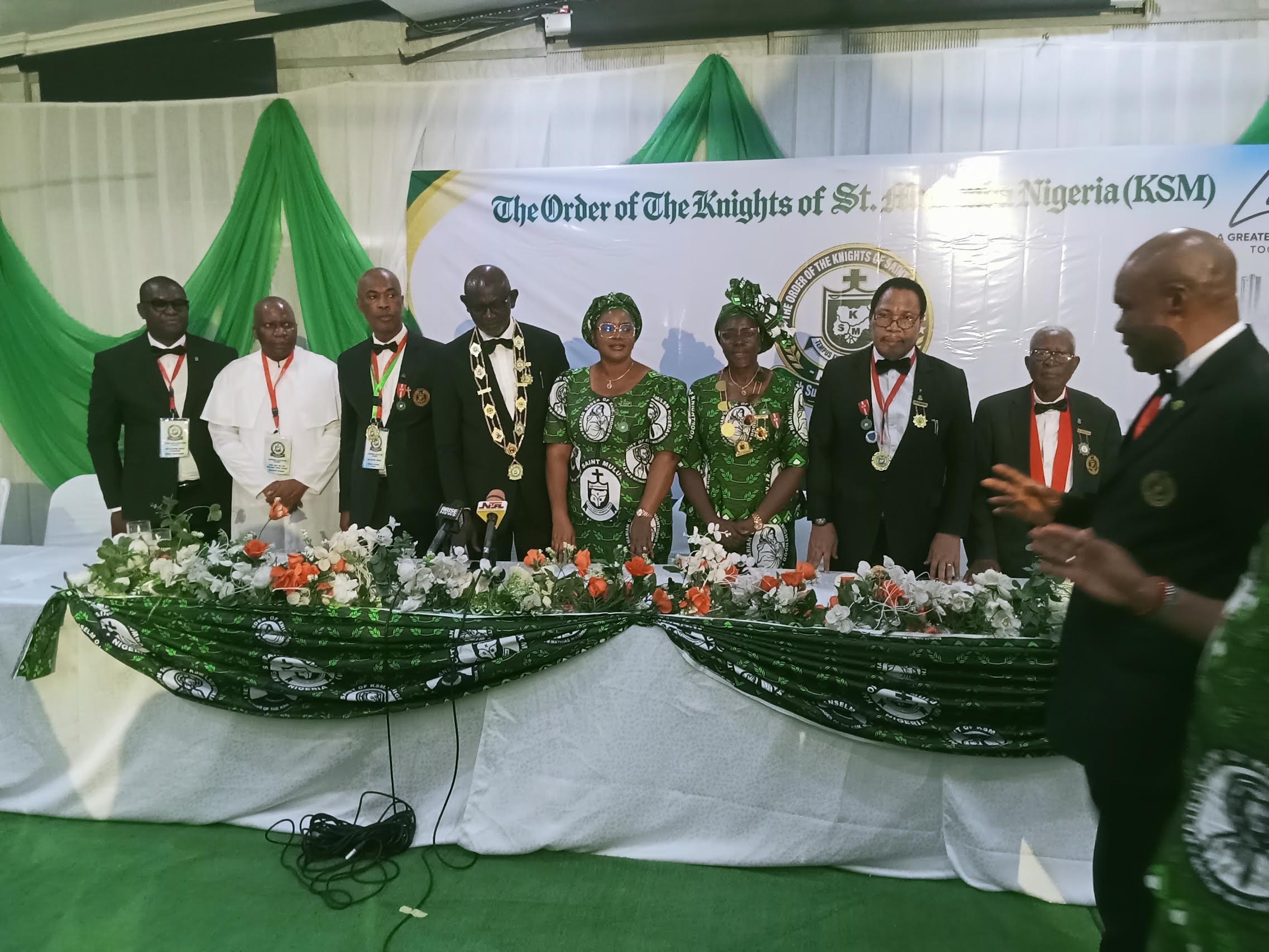
The Supreme Knight of the Order, Sir Steve Adehi, made the call ahead of its 47th national convention in Lagos, saying the election must produce leaders whose competence, character and integrity reflect the aspirations of Nigerians.
Adehi urged members of the Order and other citizens to participate actively in the electoral process by obtaining their Permanent Voter Cards (PVCs), verifying their registration status and scrutinising the programmes and records of candidates before making their electoral choices.
He spoke against the backdrop of the convention’s theme, “2027 General Elections: Catholic Knights, Politics, Power and Influence for the Common Good,” which he described as particularly relevant as the country prepares for another general election.
According to him, politics should not be left exclusively to politicians because decisions taken by those in public office directly affect the lives and welfare of citizens.
He said public office determines the quality of education available to children, access to healthcare, the security of communities, opportunities for young people and the dignity with which Nigerians live.
“Politics is too important to be a playground for politicians alone,” Adehi said, adding that power was neither inherently good nor bad, but its value depended on how it was acquired, exercised and whose interests it served.
The Knights maintained that citizens and organisations with influence in their professions, communities, religious institutions, businesses and public life had a responsibility to deploy such influence in promoting the common good rather than protecting private interests.
Adehi said Catholic Knights and Ladies were expected to allow their Christian values to shape their political conduct, including how they vote, discuss public affairs, treat political opponents, resist corruption and hold elected leaders accountable.
He, however, clarified that the Order’s position was not a call for partisan political engagement on its behalf, but for responsible citizenship, ethical participation and principled involvement in the democratic process.
The Supreme Knight urged Nigerians to make electoral choices based on competence, character, integrity and a credible commitment to public service, rather than supporting candidates because of their ethnic origin, language, religion or endorsement by influential individuals.
He warned that the country must resist ethnic hostility, religious manipulation, vote buying, intimidation, disinformation and violence, describing such practices as threats to democratic development and national unity.
“Our ultimate loyalty must be to truth, justice, human dignity and the common good,” he said.
Adehi stressed that the 2027 general election should not merely produce winners and losers, but should provide an opportunity for Nigeria to strengthen its democratic institutions and renew the social contract between the government and the people.
He called on political parties, candidates, electoral institutions, security agencies, civil society organisations, religious bodies and the media to work towards elections that are credible, peaceful, transparent and reflective of the genuine will of Nigerians.
Other News
According to him, democracy is strengthened not simply by the victory of one political party over another, but by the confidence of citizens that their votes matter and will count.
He also urged electoral stakeholders to create an environment in which voters could freely exercise their franchise without fear, intimidation or manipulation.
“Democracy is strengthened not by the victory of one political party over another, but by the confidence of citizens that their votes matter and their votes count,” Adehi said.
Beyond the electoral process, the Supreme Knight said the convention would provide an opportunity for members to examine the organisation’s progress, assess its present condition and determine its future direction.
He described the convention as a moment of accountability during which members would review their commitment to the ideals of faith, charity, unity, discipline and service upon which the Order was founded.
Adehi said the true measure of the convention would not be the splendour of its ceremonies or the number of delegates in attendance, but the quality of its decisions and the extent to which they translated into positive and lasting change.
The Order also outlined plans to strengthen leadership, governance and accountability, invest in young members, expand charitable interventions, embrace technology and promote unity across its metropolitan and subordinate councils.
The Supreme Knight said leadership positions within the organisation should be regarded as opportunities for service rather than instruments of personal privilege.
He added that younger members should be equipped with the character, competence and leadership capacity required to improve existing structures.
The Knights further disclosed plans to develop an endowment fund and resource mobilisation framework to support their charitable activities, including assistance to the Church, clergy, priestly formation, healthcare and skills acquisition programmes.
Adehi said the initiative was intended to establish a sustainable financial foundation for the Order’s charitable mission, with a long-term endowment target of $2 billion.
He said the initiative would be pursued through deliberate planning, responsible investment, transparency, proper financial reporting and accountability to members and relevant stakeholders.
Adehi said the Order’s broader mission remained anchored on making a meaningful difference in society, particularly among the poor, vulnerable, sick, prisoners, struggling families and communities with limited access to essential services.
He urged members to demonstrate their commitment to Christian values through practical service, insisting that the organisation should be judged not by its ceremonies, titles or public appearances, but by the quality of its contributions to society.