Follow Us on Google

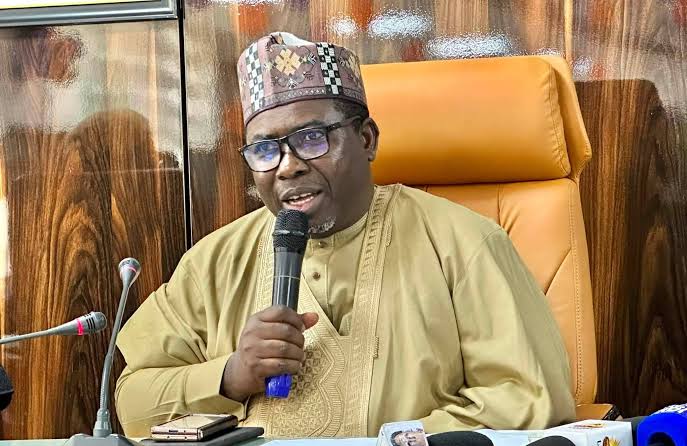
• Jega proposes INEC-backed chatbots to counter electoral misinformation
As Nigeria prepares for the 2027 general elections, concerns over the growing use of artificial intelligence (AI), deepfakes and digital disinformation to manipulate voters have triggered fresh debate over the credibility of the electoral process, with the Independent National Electoral Commission (INEC) warning of emerging technological threats while stakeholders insist that transparency in results management and public confidence in the commission remain fundamental challenges.
INEC Chairman, Prof. Joash Ojo Amupitan, warned that threats to electoral integrity had extended beyond physical interference and conventional electoral malpractice to the weaponisation of information through artificial intelligence and digital platforms, while founder of Bootstrap Africa, Ade Atobatele, maintained that the greater danger to Nigeria’s democracy lay in the inability of citizens to independently verify how their votes were transmitted, collated and declared.
Former INEC Chairman, Prof. Attahiru Jega, also called for practical technological solutions to counter electoral misinformation, proposing the deployment of INEC-backed chatbots to provide citizens with verified information, as the European Union warned that the manipulation of electoral information was fundamentally an attack on public trust.
The concerns were raised yesterday in Abuja at the opening of the two-day Beyond the Ballot: National Summit on Electoral Information Integrity: AI, FIMI and the Integrity of Nigeria’s 2027 Election, organised by the International Press Centre (IPC), the Centre for Media and Society (CEMESO) and Development Alternatives Incorporated (DAI), under the European Union Support to Democratic Governance in Nigeria (EU-SDGN) Programme.
Amupitan, who identified manipulated videos, cloned voices, fabricated images and automated online networks as emerging threats, said their growing sophistication had created new vulnerabilities capable of influencing public perception, distorting political communication and weakening confidence in electoral institutions.
According to him, the dangers were not restricted to political campaigns but could manifest at different stages of the electoral cycle, including voter registration, voting, results announcement and post-election dispute resolution.
He expressed concern that false information could spread rapidly during sensitive electoral periods, making it difficult for electoral authorities and other institutions to respond before misleading narratives shaped public opinion.
The INEC chairman stressed that safeguarding the 2027 elections would require more than securing polling units and protecting electoral materials, as equal attention must be given to protecting the information environment in which Nigerians receive, interpret and share election-related information.
He called for improved voter education, digital literacy, appropriate technological safeguards and stronger collaboration among electoral institutions, media organisations, technology companies, security agencies, regulators and civil society groups to identify and counter misleading electoral content.
However, Atobatele, speaking during a panel session titled Votes, Voices and Algorithms: Who Is Most Exposed?, challenged the growing emphasis on artificial intelligence as the principal danger to electoral credibility, arguing that Nigeria’s peculiar political and socioeconomic circumstances made institutional transparency and traditional electoral manipulation more immediate concerns.
He maintained that discussions about AI-driven electoral interference must take into account the country’s large rural population, limited smartphone penetration in some communities and the persistent influence of vote buying on electoral outcomes.
“We live in a country of 220 million people, and a significant proportion of the population lives in rural areas. The conversation isn’t really about AI and what AI can do. It’s about how information is manipulated and who manipulates that information,” he said.
Atobatele argued that financial inducement could have a more immediate impact on voting decisions in vulnerable communities than sophisticated AI-generated propaganda, illustrating his position with the example of a politician offering a voter N1,000.
While acknowledging that artificial intelligence could threaten electoral integrity, he cautioned against exaggerating its influence at the expense of longstanding weaknesses in Nigeria’s electoral system.
He identified the transparency of INEC’s results management process as a major concern, questioning what happens after votes have been cast and recorded at polling units and whether citizens possess sufficient means of independently verifying subsequent stages of the process.
“My biggest concern remains what happens to your vote after it reaches the BVAS machine. Not one single person in this room has any control over that. The only party that has control over that is INEC, and the question is, what are they doing with it?” he said.
He maintained that public distrust would persist unless voters could independently establish the integrity of the processes through which results were transmitted, collated and announced, regardless of the sophistication of technologies deployed to counter misinformation.
Responding to the concerns, Chief Press Secretary to the INEC Chairman, Dayo Oketola, clarified the distinction between the commission’s Election Result Viewing Portal (IReV) and the formal results collation process.
Oketola explained that IReV was designed to make polling-unit results accessible to members of the public for viewing and verification, rather than serve as an electronic results collation platform.
He said the formal collation process followed an established structure, with results moving from polling units to Registration Area collation centres, local government and state levels before final collation and announcement, depending on the election concerned.
According to him, understanding the distinction between public access to polling-unit results and the statutory collation process was essential to avoiding misconceptions about election results management.
The exchange underscored the wider challenge confronting electoral authorities ahead of 2027, as concerns over digitally manipulated information intersect with longstanding questions about the transparency, credibility and accountability of electoral institutions.
Earlier, Jega had called for practical and accessible measures to strengthen the integrity of electoral information, identifying technology as a potentially effective instrument for combating the same misinformation it could be used to generate.
Other News
The former INEC chairman proposed the introduction of INEC-backed chatbots through which Nigerians could obtain verified electoral information and authenticate claims circulating on social media and other digital platforms.
He argued that improved access to credible information would enable citizens to distinguish authentic electoral announcements from fabricated claims, thereby reducing the potential for misinformation to generate confusion and distrust during elections.
Also speaking, founder of Rise Network, Dr Toyosi Akerele-Ogunsiji, warned that the implications of artificial intelligence for Nigeria’s elections extended beyond deepfakes and manipulated political messages to what experts describe as the liar’s dividend, a situation in which individuals exploit public awareness of AI-generated content to dismiss genuine evidence of wrongdoing as fabricated.
“My worry is the liar’s dividend that would happen in the course of this electoral cycle. Real things are happening, and people are beginning to attribute them to AI,” she said.
Akerele-Ogunsiji expressed concern that politicians and other individuals could increasingly deny authentic recordings, photographs and other evidence of their actions by attributing them to artificial intelligence, potentially complicating efforts to establish the truth during electoral controversies.
She also questioned Nigeria’s heavy dependence on foreign-developed artificial intelligence systems, arguing that technologies designed without sufficient consideration for the country’s languages, cultures and social realities might deepen existing inequalities and exclude vulnerable communities.
According to her, Nigeria could not effectively govern a technology without developing the technical capacity to understand, build and manage it.
She called for greater investment in indigenous AI research, software development, technical expertise and education, including the recruitment and training of lecturers, researchers, developers and AI engineers capable of producing homegrown solutions.
Akerele-Ogunsiji advocated the integration of artificial intelligence education into the national curriculum, stressing that technological literacy would become increasingly important as AI systems assumed greater influence over how citizens received and interpreted information.
She disclosed that an AI-for-elections hackathon had recently been launched to encourage young Nigerians to develop multilingual civic technology solutions capable of addressing local challenges, particularly among rural communities and speakers of indigenous languages.
Similarly, the European Union Ambassador to Nigeria and ECOWAS, Gautier Mignot, warned that electoral information manipulation was fundamentally an attack on public trust and could undermine the legitimacy of democratic institutions.
Mignot said efforts to confront electoral disinformation must begin well before political tensions intensified, rather than waiting until false narratives had spread and damaged public confidence.
He advocated stronger operational partnerships among electoral institutions, technology companies, civil society organisations and the media, while emphasising that measures introduced to combat disinformation must respect fundamental rights, including freedom of expression, press independence and citizens’ democratic participation.
The ambassador also stressed the need for inclusive approaches that addressed the vulnerabilities of women, rural populations and citizens who relied on local languages or encountered barriers to accessing digital information.
He reaffirmed the EU’s support for Nigerian-led initiatives to strengthen electoral integrity, explaining that the objective was to support the democratic process without influencing its outcome.
Executive Director of the International Press Centre, Dr Lanre Arogundade, said the experience of Nigeria’s 2023 general elections had demonstrated the dangers of false claims, social media manipulation and the growing influence of digital platforms in shaping electoral narratives.
Arogundade called for a coordinated national response capable of addressing emerging information threats without undermining the democratic freedoms the interventions were intended to protect.
He identified the proposed Nigeria Electoral Information Integrity Partnership as a platform for strengthening institutional collaboration and developing a national response protocol to tackle electoral misinformation and manipulation.
The summit, moderated at the panel level by Maupe Ogun-Yusuf, also examined the vulnerability of different communities to misinformation, the influence of algorithms on political opinions and the capacity of electoral institutions to respond to emerging technological threats.
A major component of the two-day engagement, holding from November 2 to 3 at the Abuja Continental Hotel, is a simulation of an AI-driven electoral disinformation crisis designed to test the preparedness and coordination of relevant institutions before, during and after the 2027 elections.
The organisers said the engagement was expected to produce practical recommendations and facilitate the development of a rights-respecting, multi-stakeholder national response protocol for protecting electoral information integrity.
The discussions brought into focus two interconnected concerns ahead of the elections: the need to protect Nigerians from increasingly sophisticated digital manipulation and the equally important task of ensuring that the institutions responsible for managing their votes command public confidence through transparent and verifiable electoral processes.