Follow Us on Google

From Tony John, Port Harcourt; Noah Ebije, Kaduna; Laide Raheem, Abeokuta and Scholastic Hir, Makurdi
Barely 70 days to the presidential election, political hostility; violence, threats and intolerance are characterising the campaigns across the country.
The ruling All Progressives Congress (APC) and the opposition parties are accusing one another of masterminding violent attacks on their members and supporters.
In this report, Nigerians suggested how to curb political hostility, electoral violence, threats and intimidation before they escalate into anarchy before, during and after the 2027 elections.

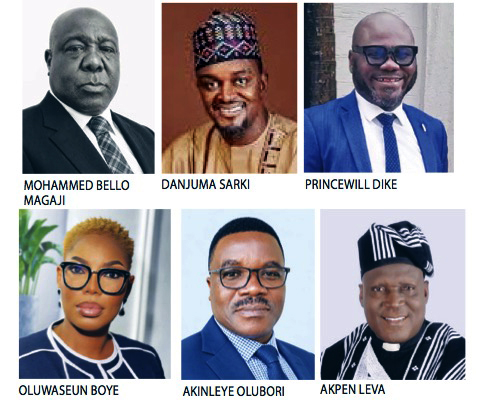
There must be consequences for electoral violence, political thuggery – Prof Mohammed Bello Magaji, Kaduna
The growing atmosphere of political hostility, intimidation, threats and violence surrounding electioneering in Nigeria is deeply troubling. It should concern every well-meaning Nigerian, irrespective of political affiliation, ethnic background, religious persuasion or ideological orientation.
Elections are supposed to be instruments of democratic choice and peaceful political competition, not occasions for settling political scores, intimidating opponents or demonstrating political supremacy through violence.
From my perspectives as a lawyer, a former military officer and a concerned senior citizen, I consider the situation a serious national security concern requiring urgent, coordinated and decisive intervention.
We must recognise that electoral violence does not begin on election day. It is often preceded by inflammatory political rhetoric, deliberate misinformation, hate speech, the mobilisation of political thugs, threats against opponents and the gradual normalisation of intolerance.
If these warning signs are ignored, the consequences can extend beyond the electoral process and threaten the stability and cohesion of the Nigerian state.
In the first place, political leaders must demonstrate responsibility and restraint. The greatest responsibility for de-escalating the current political tension rests with political leaders, particularly presidential candidates, party chairmen, governors and other influential political actors.
Secondly, the security agencies must remain professional, impartial and proactive. Having served in the military, I understand the importance of intelligence, operational preparedness, discipline and effective command and control in maintaining national security.
Thirdly, there must be consequences for electoral violence and political thuggery. One of Nigeria’s persistent problems is the culture of impunity. Individuals who recruit, finance, arm or deploy political thugs frequently escape accountability, while those who carry out the violence are sometimes treated as disposable instruments of political interests.
Security agencies should be neutral, resist political interference – Danjuma Sarki, politician; Zango Kataf
The Federal and state governments, political parties and security agencies should take urgent steps to prevent political violence and insecurity before, during and after the elections.
Political intolerance, sponsorship of thuggery, destruction of opposition campaign materials and the perceived partisanship of security agencies are some of the factors capable of escalating political tension and threatening peaceful elections.
The ruling party and governments at all levels should demonstrate political maturity, provide a level playing field for all contestants and discourage actions capable of provoking violence among supporters of different political parties. The responsibility for ensuring peaceful political activities rests largely on those in government, and political leaders must lead by example.
Other News
First and foremost, to curb this emerging menace, the ruling party and the government of the day must act. Political violence and the destruction of opposition campaign materials in some states were allegedly being encouraged by the activities of individuals, who are allegedly sponsored by the ruling party. Incidents involving the removal and vandalism of opposition billboards have reportedly occurred in Kwara, Kaduna, Rivers and other parts of the country.
There are alleged restrictions on opposition parties’ access to billboard advertising spaces in Kaduna State. Advertising agencies had been warned against accepting political advertisements from opposition parties.
Another major measure to prevent electoral insecurity is the neutrality and professionalism of security agencies. Police, military and other relevant security institutions should resist political interference and ensure that anyone involved in violence, intimidation or destruction of campaign materials was brought to justice, irrespective of political affiliation. Security agencies must be neutral; they should not allow themselves to be used.
NOA should embark on enlightenment campaign against electoral violence – Princewill Dike, lawyer; Port Harcourt
First, there should be an enlightenment campaign against electoral violence, before election, during election, and after election. I don’t know if the National Orientation Agency still exists, that should be incumbent on them to campaign against electoral violence.
It is also important for political chieftains to advise their followers to eschew electoral violence, avoid making inflammatory statements that can inflame the polity, and borrow a leaf from former President Goodluck Jonathan who said that: “My ambition is not worth the blood of any Nigerian”.
The security agencies also have an important role to play, by ensuring effective intelligence gathering before, during and after election, so as to nip in the bud any act capable of igniting violence; in other words, being proactive. Politicians who make inflammatory statements should be invited by the police, and be cautioned that, should their statements provoke violence, they would face the music. If the foregoing is done, then violence during the campaign and after election can be curtailed or eliminated.
Political parties must take responsibility for conduct of supporters, openly condemn attacks -Oluwaseun Boye, chairman, NIPR; Ogun
From a Public Relations perspective, curbing electoral violence requires a deliberate strategic communication and reputation management approach. Political parties must establish a Peace Communication Framework that promotes issue-based campaigns, responsible messaging and respect for opposing views.
Through sustained stakeholder engagement, political leaders should publicly commit to peaceful elections, while party spokespersons, campaign teams and supporters are trained to avoid inflammatory language, hate speech and misinformation. INEC, the media, security agencies, traditional institutions and civil society organisations should also collaborate on a unified peace communication campaign that encourages tolerance and responsible political participation.
Additionally, there should be a robust crisis communication mechanism for promptly addressing rumours, threats and reports of violence before they escalate. Political parties must take responsibility for the conduct of their supporters, openly condemn attacks and use credible communication channels to promote dialogue and de-escalation. Public Relations must move beyond image management to peace building, trust restoration and conflict prevention. The goal is to make peaceful participation, respect for divergent opinions and acceptance of credible electoral outcomes part of our national political culture.
Govt, security agencies, INEC must demonstrate impartiality -Akinleye Olubori, public commentator; Abeokuta
It takes all stakeholders to curb violence and all threats may lead to anarchy during 2027. government, security agencies and INEC must demonstrate impartiality, strengthen intelligence gathering and ensure the prompt arrest and prosecution of anyone found sponsoring or perpetrating electoral violence, irrespective of political affiliation or status. Political parties should be made to sign and honour a binding peace accord, while their leaders must caution supporters against hate speech, intimidation, provocation and the spread of inflammatory misinformation.
Electioneering should be issue-based, focusing on policies, programmes, track records and practical solutions to national challenges rather than personal attacks, propaganda and character assassination. Equally important is the need for political tolerance, responsible engagement and respect for the rule of law. All parties must embrace dialogue, accept legitimate electoral outcomes and seek redress through lawful channels rather than violence. Elections should be a contest of ideas, vision and competence, not a battle for supremacy at the expense of human lives and national stability. Nigeria’s peace and unity must take precedence over partisan interests.
Candidates should sign peace deal to promote peaceful campaigns -Rev Akpen Leva, cleric; Makurdi
Violent campaigns are not acceptable. It’s not a do or die affair to get into leadership positions. I will suggest that all candidates should sign a peace deal to promote peaceful campaigns. Electorate should not vote in aspirants that promote violence in their campaigns. Moreover, youths should never avail themselves to be used as thugs to perpetrate violence during campaigns and subsequent elections.
NOA, CSOs should intensify mass sensitisation for peaceful conducts -Abeg Augustine, social worker; Makurdi
Nigeria is not a stranger to pre-election tensions. Every electioneering cycle witnesses such uncertainty. The upcoming elections are particularly highly anticipated largely due to the influence of social media.
INEC needs to demonstrate its willingness and capacity to conduct free, fair and credible elections. National Orientation Agency (NOA), CSOs should intensify mass sensitisation on the need for peaceful conduct before, during and after the elections.