Follow Us on Google
….Jigawa, Nasarawa, Niger, Yobe have no female senatorial candidate, Akwa Ibom highest with 10
From Adesuwa Tsan, Adesuwa
Only 443 women are among the 4,408 candidates cleared to contest the 469 seats in the Senate and House of Representatives in the 2027 general elections, representing just 10.1 per cent of the total field.
The Senate contest has 9.6 per cent female participation, while women account for 10.2 per cent of the House candidates.
The figure, contained in the final National Assembly candidates’ list released by the Independent National Electoral Commission (INEC), means that men account for 3,965 candidates, or almost 90 per cent of those contesting the January 2027 legislative elections.
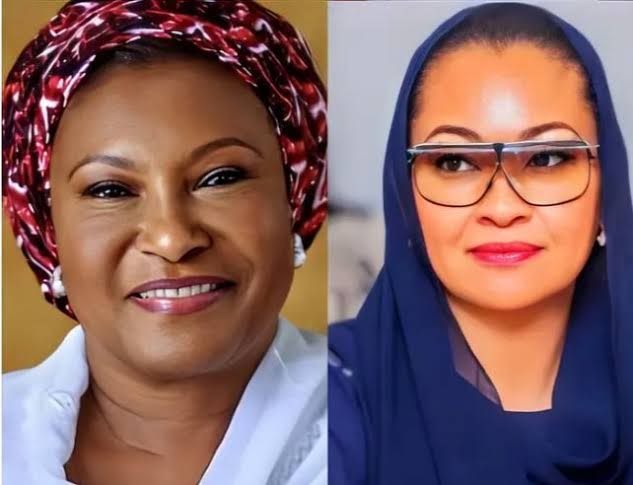
Among the female candidates are prominent lawmakers and politicians, including Senator Natasha Akpoti-Uduaghan, former Lagos Deputy Governor Idiat Adebule and Senator Ireti Kingibe, whose names feature on the INEC list.
A breakdown of the list shows that 115 of the 1,195 candidates contesting the 109 Senate seats are women, while 328 women are among the 3,213 candidates seeking election to the 360-member House of Representatives.
The figures highlight the continuing low participation of women in national politics, despite years of advocacy for increased female representation in the National Assembly and other elective offices.
Although the number of female candidates has increased from the 380 recorded in the 2023 National Assembly election to 443 in 2027, their proportion of the overall field has declined because of the larger number of candidates contesting this year.
INEC recorded 92 female candidates out of 1,101 Senate candidates and 288 women among 3,122 House of Representatives candidates in 2023.
The 2027 figures also show significant disparities among states and constituencies, with some areas producing several female candidates while others have few or none.
An analysis of the senatorial list shows that Jigawa, Nasarawa, Niger and Yobe have no female senatorial candidate, while Akwa Ibom has the highest number with 10.
The low representation begins at the party nomination stage, where women continue to face challenges in securing tickets, including the cost of nomination, access to party structures, campaign financing and competition with established male politicians.
The situation is particularly significant for the National Assembly because the number of women who can eventually emerge as legislators is limited by the number who make it through party primaries and onto the ballot.
With only 443 women in the race, the 2027 election will again test whether Nigerian women can make a significant breakthrough in the federal legislature or whether the long-standing dominance of men will continue in the 11th National Assembly.
The final outcome will depend on how many of the female candidates are able to overcome the political and financial advantages enjoyed by their male counterparts and win their respective constituencies.