Follow Us on Google
From Fred Itua, Abuja
Media organisations and civil society advocates have launched a major push for a formal Security Accord with security agencies to protect journalists during election coverage. The demand is part of a comprehensive framework ahead of the 2027 general elections aimed at ending years of harassment, intimidation and violence against the press.
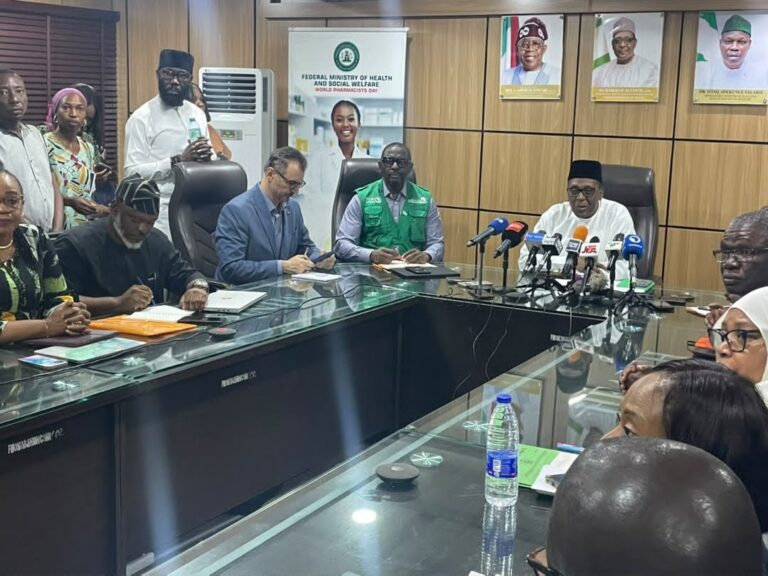
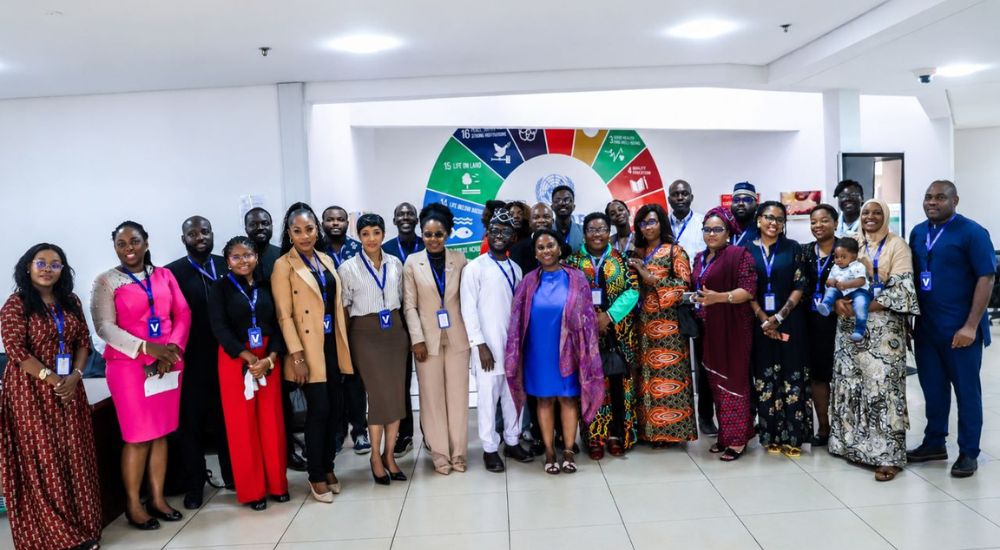
The call was made during a high level roundtable dialogue in Abuja organised by Journalists for Human Rights (JHR) and the United Nations Office of the High Commissioner for Human Rights (UN OHCHR) Nigeria.
Recognising that election reporting in Nigeria remains highly dangerous, participants insisted that safeguarding media personnel is fundamental to democratic integrity.
The Security Accord Core Mandate: The proposed accord will embed media and civil society representatives directly into an inter agency consultative security committee, creating a proactive protection framework rather than reacting after abuses occur.
Under this framework, security agencies are urged to engage in sustained, pre election dialogues with press bodies. The goal is to establish clear operational protocols, clarify access rights at polling units and collation centres, and actively prevent harassment by political thugs or security forces.
Furthermore, the communiqué issued at the end of the dialogue introduces strict safety conditions for media owners. It mandates that comprehensive life and equipment insurance cover for both journalists and technical field staff, including camera operators and videographers, must be a strict precondition for any deployment.
To ensure the safety of reporters facing political pressure, the framework also addresses the constraints within state owned or politically aligned media houses.
Participants proposed creating independent alternative channels and digital portals, allowing journalists to safely share verified, public interest stories without fear of professional retaliation.
Other News
Beyond safety, the dialogue stressed that a protected press must also be a well equipped press. The roundtable called for continuous, institutionalised training throughout the entire electoral cycle for field journalists, mass communication students and digital creators.
This training will place heavy emphasis on utilising artificial intelligence based verification tools to combat sophisticated digital disinformation. To ensure accuracy under pressure, the communiqué demands that every media house establish a permanent, dedicated fact checking desk rather than a temporary, seasonal initiative.
This security and professional overhaul is backed by a new, strategic alliance between the press and Civil Society Organisations (CSOs).
Historically operating in parallel, the two sectors resolved to form a structural partnership to bridge information gaps that breed misinformation.
This alliance includes a joint platform for news verification, thematic mapping of CSO expertise and direct pipelines where grassroots civil society personnel function as field correspondents in remote areas lacking a media presence.
Additionally, the Broadcasting Organisations of Nigeria (BON) committed to pooling footage and audio resources so that remote communities do not become invisible during the polls.
Finally, the media CSO coalition plans to launch collaborative public enlightenment campaigns to combat voter apathy, using grassroots networks to reengage disillusioned voters before 2027.
The finalised resolutions, centring heavily on the Security Accord and field safety, have been forwarded to the Independent National Electoral Commission (INEC), security agencies, media regulatory bodies and development partners.
While execution in the field remains the ultimate test, the roundtable has established a clear, unified line: the safety and rights of those covering Nigeria’s democracy must be guaranteed before the first ballot is cast.