Follow Us on Google
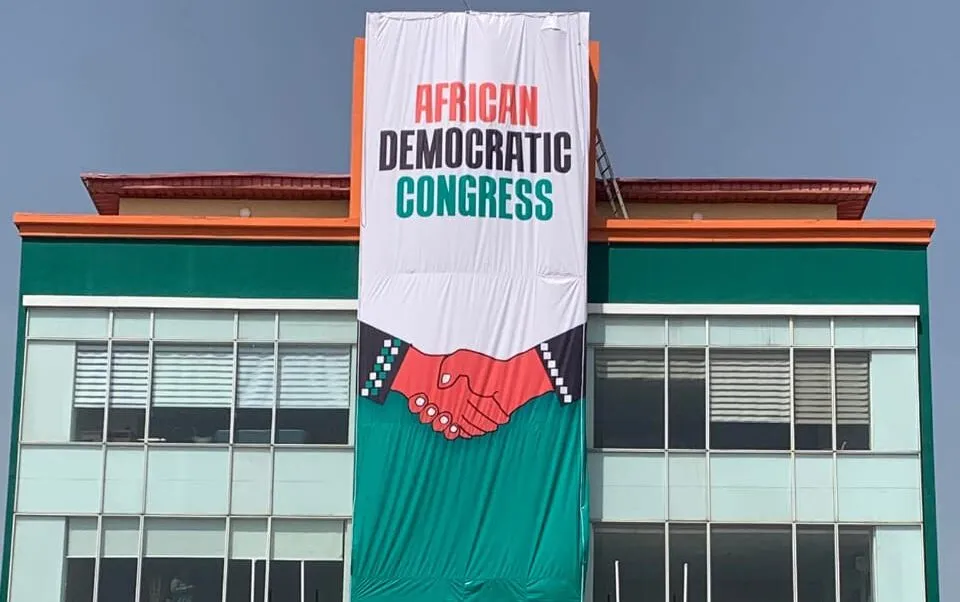
The African Democratic Congress (ADC) has questioned the decision by more than 500 Islamic scholars and clerics in Jigawa State to endorse President Bola Tinubu for a second term in 2027.
The party’s Jigawa chapter described the endorsement as inappropriate, arguing that religious leaders should not allow political affiliations to compromise their independence or influence how they provide guidance to the public.
The ADC’s position was contained in a statement issued by its Jigawa State Deputy Chairman and North ADC Youth Ambassador, Ambassador Nuraddeen Suleiman Jidawa.
Jidawa acknowledged that individual clerics had the right to support candidates of their choice but maintained that such political positions should not be presented as the collective position of Nigeria’s Muslim population.
The party also disputed some claims reportedly made by the scholars in support of the Tinubu administration, including the attribution of the Kano-Dutse/Kano-Maradi railway project to the current government.
According to the ADC, the railway project was approved and awarded during the administration of former President Muhammadu Buhari in 2021.
The opposition party therefore challenged the Federal Government to provide details of major capital projects initiated and substantially completed by the Tinubu administration in Jigawa State.
The party also rejected claims that the country’s security situation had improved significantly, particularly in the North-West.
It cited reported incidents of kidnapping and terrorist attacks in Kaduna, Sokoto and Zamfara as indications that insecurity remains a serious national challenge.
Other News
The ADC further referenced a recent Al Jazeera report concerning a video purportedly showing abducted people being held by armed men following reports of mass abductions in Niger State.
The party argued that such developments made it inappropriate to describe Nigeria’s security crisis as resolved.
It urged voters to assess the Tinubu administration based on tangible results rather than political endorsements, listing security, employment, economic conditions, infrastructure, transparency and accountability among the areas that should be considered.
The ADC also renewed its criticism of the removal of petrol subsidy, arguing that the policy had contributed to higher transportation costs and increased prices of food and other essential goods.
It called on Islamic scholars and clerics to preserve their independence and avoid becoming tools for political mobilisation.
“While we respect the right of individual clerics to make their political choices, such endorsements should not be presented as religious verdicts or as the position of Nigeria’s Muslim community,” the party said.
The party said religious leaders should instead use their influence to demand accountability from political authorities and provide moral guidance to society.
The ADC urged Nigerians to make independent decisions ahead of the 2027 elections by examining how government policies have affected their livelihoods and the country’s overall development.