Follow Us on Google
By Kate Halim
Swimming pools can have a powerful pull on little children, even when it’s not swimming time. Children love to dive into the pool at any opportunity they get, not minding the dangers they may be exposed to. If left unsupervised, children can slip away from the watchful eyes of adults in seconds and drown.
Even though swimming pools provide easy entertainment and relaxation for kids when the weather is hot, it is important for parents and family members to continue being diligent in and around water, as drowning is the second leading cause of injury-related death for children between ages one and 18.
According to statistics, nearly 400 children under the age of 15 drown in pools and spas every year, which is more than one every day. Of those, 300 are under the age of five. And 87 per cent of those fatalities occur at residential pools.
Hilda Obinna, a swimming instructor told Saturday Sun that drowning is the leading cause of unintentional death for one to four-year-olds, and every one of them is preventable.
She added that when it comes to children’s safety around swimming pools, it’s not just about them knowing how to swim; it also involves protecting them from potential danger inside the pool.
Obinna said: “Some of these drowning incidents involve capable swimmers who may become entrapped by a pool drain. The best way to prevent pool accidents is to implement multiple layers of protection: adult supervision, safety barriers, pool alarms, regular inspections, swim lessons and learning CPR.”
Obinna outlined 12 things parents, teachers and family members can do to keep children safe inside and around swimming pools:
One: Teach children how to swim
Adults often think of swimming as good exercise for children or a fun way to combat the heat. But the real benefit is that it can save their lives. Children who don’t know how to swim have a 70 per cent higher chance of drowning. Also, it is important that if a child is missing, the pool should be the first place adults in the house should check. Acting fast when a child slips into the pool may save the child’s life.
When your child is ready, enrol him or her in swimming lessons. It’s usually recommended that swim lessons start by age four. If your kids are older than four, it’s not too late. Even if your child can get around in the pool, it’s a good idea to take a refresher class during the holidays. Don’t let your child’s progress in lessons make you lax about watching them around the pool.
Two: Designate a water watcher
It is important to note that no safety measure should be considered a replacement for adult supervision when children are around swimming pools whether at home, at school or at recreational centres. Obinna recommends that people designate one adult to be solely responsible for watching kids in swimming pools.
This adult shouldn’t be someone who is texting or scrolling through social media. This person should be alert and watchful. They should watch all the children at the same time to prevent any accidents in the pool. Parents and teachers should also know that drowning doesn’t happen as we see in the movies. There’s no splashing and calling for help. Children go down quickly and silently.
Three: Implement barriers and other safety measures
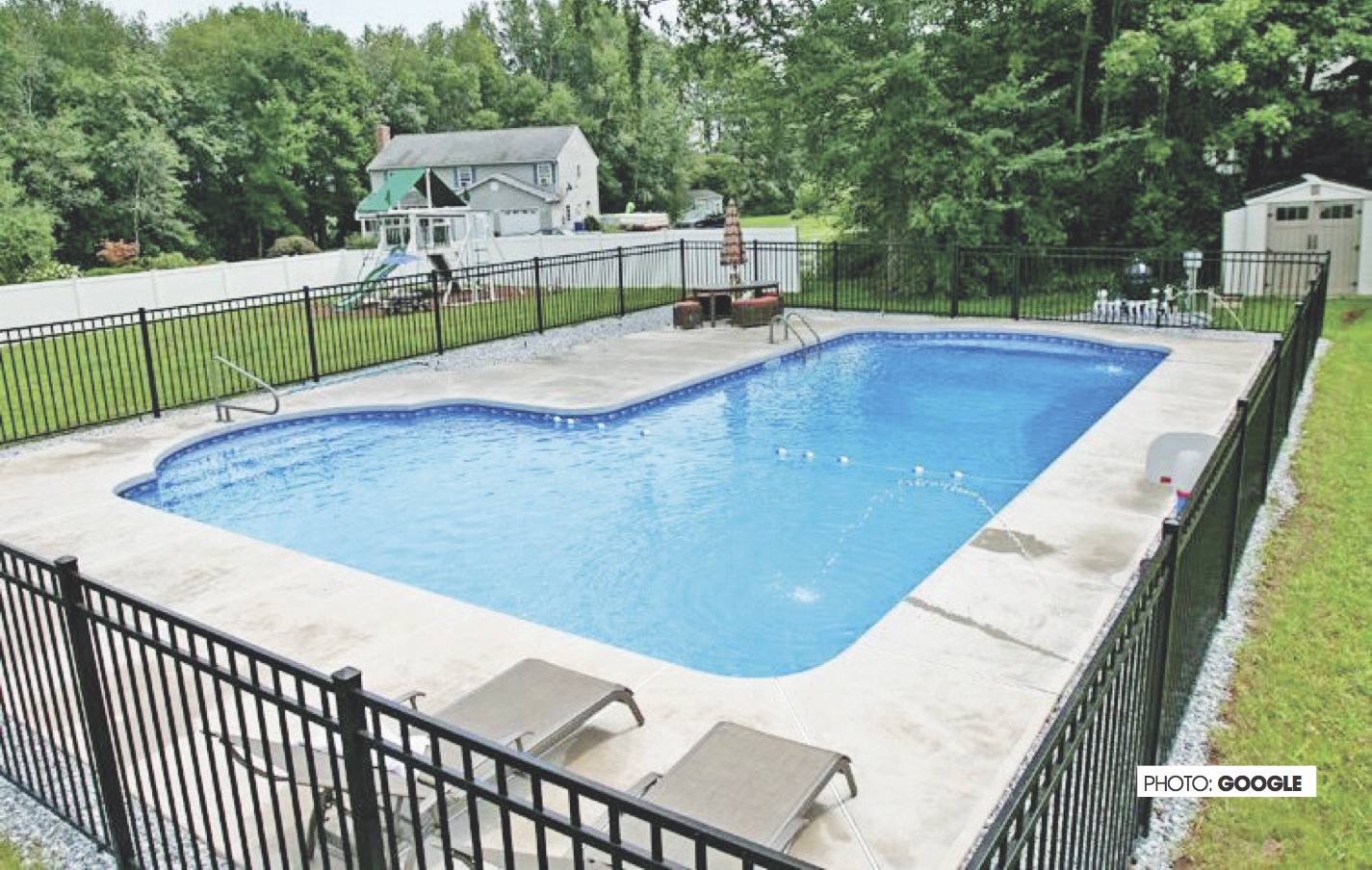
Even if you don’t have kids, it is recommended that you still provide some sort of barrier around your pool, whether it’s a fence or safety net. You never know when your friends might bring their kids over to swim or when a neighbourhood kid decides to wander over to check out your pool. Removable fences are the most common safety barrier for swimming pools. Fences come in a variety of styles and materials, but they should be at least five feet high and non-climbable. The gate should be self-closing and self-latching, and it should swing away from the pool so that kids aren’t able to push it open if it fails to latch.
Fences should be see-through, such as chain-link, wrought iron or glass, and they shouldn’t have any footholds or niches that kids can use to climb over.
Four: Update pool drain covers
Drain entrapment and electrical shorts are also serious concerns. Obinna recommends inspecting drain covers regularly to make sure that they aren’t broken or missing. And it’s worth educating kids to not swim near them or play with them.
Five: Get your pool inspected regularly
Pool owners should have their pools inspected at least once a year by licensed pool inspectors to ensure that drain covers are functioning properly and that lights in the pool aren’t posing any danger of electrical shock, which can lead to death by electrocution. There have been many electrocutions and incidents of serious shocks in and around swimming pools. Some have occurred during attempted rescues because the rescuer didn’t know about the electrical hazards. Wet surfaces such as grass or pool decks can even cause electrocution.
Pool equipment such as pumps, filters, vacuums, lights, power or extension cords, overhead power lines, electrical outlets, radios, stereos and TVs are all sources of electricity around pools.
Six: Learn how to do cardiopulmonary resuscitation (CPR)
Knowing what to do should you find an unresponsive child or adult in a swimming pool can be a life-or-death scenario. And while CPR generally is a good skill to have, if you are a pool owner, it’s vital for you to know how to do CPR. It’s another layer you can implement in addition to barriers, covers and alarms to help save a life. You don’t know which method is going to work until it does.
Seven: Don’t leave children alone in or near a pool
This includes inflatable and other children’s pools. An adult should be within arm’s length, providing touch supervision for infants and toddlers. For older children, an adult should be paying constant attention and be free from distractions. The supervising adult must know how to swim. Lifeguards are wonderful people to have around in case of an emergency, but they are watching a lot of children at once. So it is important for parents to always supervise their own children, or make sure a responsible adult has eyes on them at their request.
Eight: Have a phone nearby
If there is an emergency, having a phone by the pool might help get the proper emergency personnel there quickly. This phone shouldn’t be in the hands of anyone who is supposed to be watching the children. They should be kept away but not too far away from the adults supervising the children around the pool. This will come in handy during any emergency.
Nine: Keep safety equipment close
No matter where your family is swimming, know where the rescue equipment is. This includes a shepherd’s hook (a long pole with a hook on the end) and a life preserver. Knowing where these things are can be a lifesaver in case of an emergency. You can’t really tell what will happen when children are swimming, so it is important you think about their safety even as they catch fun in the pool.
Ten: Teach children how to behave when swimming
It is imperative for parents and guardians to teach children and teenagers not to run, push or jump on others around water, as the risk of injury is great in these instances. Also, teenagers should be constantly counselled about the increased risk of drowning when alcohol and recreational drugs are involved.
Eleven: Teach children to know the depths of pools before they dive in
Make sure your children are familiar with pools, including their depth. They should never dive into an unknown depth or one that is too shallow. It’s important to know that children can drown in even the smallest body of water, including decorative fountains, portable pools, buckets and bathtubs. Children should be supervised by an adult if they are around any of these types of standing water.
Twelve: Teach children about pool safety
Teach your children to avoid playing near the pool drain or suction outlets. Entrapment can occur, especially in those pools with only one flat drain. You can get anti-entrapment drains in your own pool to get some peace of mind, but kids should still stay away from all drains.