Follow Us on Google
From Jude Chinedu, Enugu
For many young women, the scars they carry are not always visible. Some are the scars of sexual abuse suffered as children. Others come from broken relationships, divorce, poverty, grief, rejection, failed expectations or the loss of loved ones. Some carry the weight of trauma silently, while others turn to alcohol, drugs or unhealthy relationships in an attempt to escape the pain.

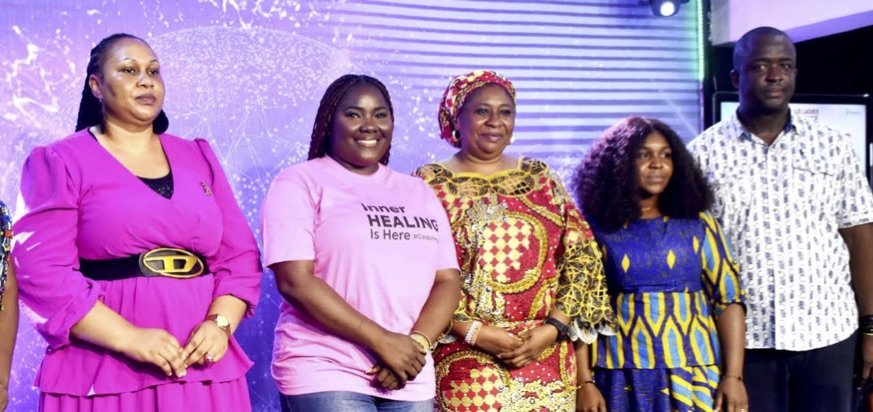
It was against this backdrop that the organisers of The Single Ladies Conference, held in Enugu, brought young women together to confront their pain, seek healing and rediscover their worth.
With the theme “Inner healing: Broken yet beautiful,” the conference, targeted at young women in Enugu and the South East in general, emphasised that painful experiences should not become permanent definitions of their lives.
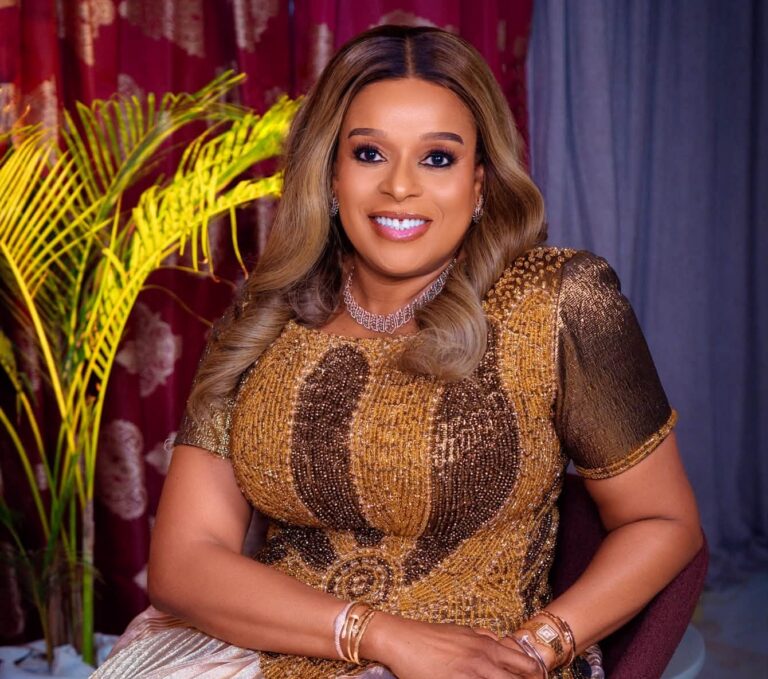
The convener of the conference, Arise News journalist and cognitive behavioural therapist, Mary Chinda, turned her own difficult experience with depression and suicidal thoughts into a mission to help other women.
Chinda disclosed that, almost a decade ago, she attempted to end her life, an experience that later propelled her into the field of mental health.
“A couple of years ago, I delved into mental health from my own experience with depression and suicidal thoughts. Almost a decade ago, I attempted to end my life,” she said.
Chinda said the experience opened her eyes to the limited awareness and support available to people struggling with mental health challenges in Nigeria at the time. She, subsequently, began taking courses in mental health, became a cognitive behavioural therapist, and is currently completing a diploma in grief and bereavement therapy with the Chartered Institute of Counsellors of Nigeria.
She said her journey was driven largely by the desire to ensure that people experiencing the kind of pain she went through would not have to face it alone.
“I really couldn’t get a lot of help when I had issues with depression,” she said, adding that although she still experiences depressive episodes, increased awareness has helped her understand how to seek help and support others.
Her message to the women at the conference was simple but profound: what happened to you does not define you.
“The rape that happened to you at seven, at 12, at 15, does not define you. The divorce does not define you. The loss that you’ve suffered in your life does not define you,” she said.
Chinda said a woman’s real identity should not be determined by the painful experiences she has survived, but by her ability to heal and evolve.
“Your evolving is what defines you,” she said, stressing that such transformation requires a relationship with God.
For Chinda, however, healing must go beyond words. It should also involve creating practical opportunities for young women to rebuild their lives. One of the initiatives she is pursuing through The StraightenedOut Woman Outreach is the provision of educational scholarships for young women who may be struggling to pay their school fees.
She explained that financial difficulties could contribute to emotional distress and, in some cases, expose young women to prostitution and other harmful choices.
“For now, we’re starting with paying for two people. This is for this conference,” she said.
Chinda disclosed that she had also previously supported students at the University of Nigeria and hoped to expand the initiative as funds became available. Her long-term goal, she said, was to provide educational support to, at least, 50 women annually, starting with 20 and gradually expanding the programme across Nigeria.
Other News
“I believe that a girl that is well-informed, well-educated, and has a deep relationship with God would turn out to be a better wife, a better mother, and a better human being,” she said.
The initiative, according to Chinda, is currently funded largely from her personal income, including savings from her salary as a journalist. She appealed for more individuals and organisations to partner with the initiative, noting that greater support would enable it to reach more women and hold conferences in larger venues and more cities.
The conference is already growing beyond Enugu. Chinda said the organisation had previously taken the programme to Abuja, Port Harcourt and Lagos, while the initiative began in England in 2017. She disclosed that the Enugu conference was the second edition held in 2026, with plans to take the programme to Bayelsa and Ghana later in the year. Over the years, she said, the initiative had reached more than 1,000 women.
Beyond conferences, Chinda said she also runs an online mentorship and discipleship programme for young women from different parts of Nigeria.
“Every Sunday, for every 12 weeks, I’m mentoring young girls from different states in the country online, on Zoom, every Sunday, between 5pm and 7pm,” she said.
She described the programme as a preventive approach aimed at helping young women avoid some of the emotional and psychological traps that can lead to destructive decisions.
“This is mentorship, this is discipleship, just so that they would not find themselves in a place where I found myself a couple of years ago until I received the help of God,” she explained.
But while Chinda focused on emotional healing and empowerment, the keynote speaker, David Folaranmi, an advocate for drug abuse awareness and drug policy reforms, drew attention to another danger confronting young women: substance abuse.
Folaranmi warned that substance use is increasingly destroying the lives of young women, with addiction sometimes exposing them to multiple sexual relationships, unwanted pregnancies and other serious consequences.
He urged young women not to turn to drugs or alcohol as a means of escaping emotional pain.
“Addiction most times starts from a sip of alcohol,” he warned.
He said young women may begin using substances for different reasons, including relationship problems, poverty, peer pressure, curiosity, a desire for social confidence, and unresolved trauma. He told the women that substance use does not eliminate emotional pain but can worsen it.
“Don’t use alcohol to drown your emotional pain,” he advised.
Folaranmi also shared disturbing accounts of female drug users who, according to him, became pregnant and sold their babies to raise money to sustain their addiction. He narrated the case of a plus-size woman who was earning a seven-figure income but resorted to substance use in an attempt to lose weight. The decision, he said, eventually cost her job and her womb.
The advocate stressed that young women should be careful about the company they keep, warning that peer influence could be a major entry point into substance use.
“No female ever started smoking on her own. They must be introduced to it by friends,” he said, while stressing the biblical warning that bad company corrupts good manners.
Despite the dangers, Folaranmi’s message was not one of condemnation but of hope.
“A cracked vessel can still be repaired. A wounded heart can still be healed,” he said, reminding the women that God is the one who binds up the broken-hearted.
For the organisers, the goal of the conference is not to pretend that pain does not exist, but to encourage young women to confront it, seek help, build healthy relationships, pursue education, avoid destructive coping mechanisms, and rediscover their identity.