Follow Us on Google
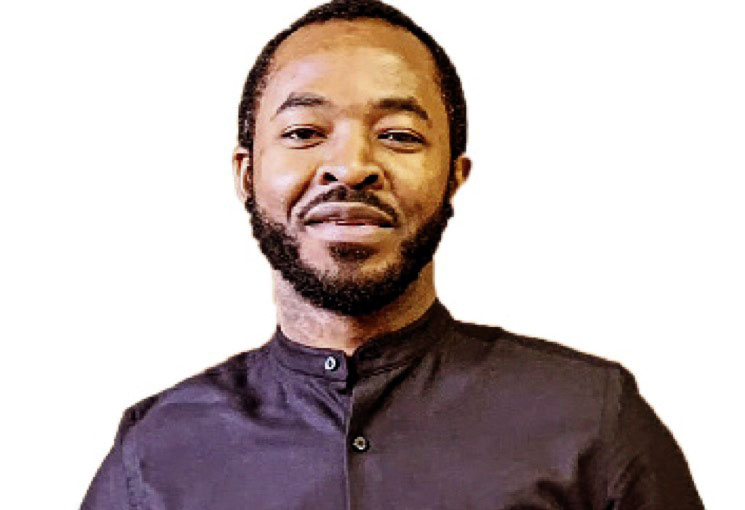
Okechukwu Ukeje, popularly known as OC Ukeje, is an award-winning Nigerian actor, model, and musician. He is widely recognised as one of Nollywood’s most accomplished leading men, known for successfully transitioning from a star of the Amstel Malta Box Office (AMBO) reality television show to an international performer.
In a recent Take 3 YouTube appearance, he shares secrets to his success, challenges in the arly days of his career, and more.
Enjoy!
What is the secret to your longevity in the industry?
Well, for various reasons, there are certain things I have always wanted to do with my life, and music was the biggest part of that. It took me some time to realise that I was also good at acting. Anyone who sees my work compliments me. I believe that whatever you do, you should give it your best and strive to be the best version of yourself. If you are good at something, keep cultivating that talent and see how far it takes you. I think that has worked for me. At some point, you become a master of what you love doing.
Some people are gifted in more than one area, and it is often difficult to choose which one to focus on and develop. In my case, acting has been kind to me, and I decided to give it everything I could.
How did you transition from music to acting so easily?
It was turbulent, though. Back then, the money was not really there. As an actor, you were also expected not to repeat outfits. I would ask myself, “With which bank account?” You eventually learn to pace yourself and ignore the pressure; otherwise, you end up living a life that is not natural to you. You find yourself doing things to entertain people you don’t even know, while struggling inside. I must confess, it was very rough.
At one point, I made some investments and lost everything, forcing me to start over. Thank God I still had my car. Thanks to the Nigerian mentality, it looked like I still had money. However, I bounced back by connecting with the right people, and things gradually started taking shape.
At one point, when I was on the verge of giving up, I contemplated going back to school to study acting. I told myself that if things did not work out after that, I would give up. Thankfully, I returned from acting school, and things eventually worked out.
How did you feel when you had just graduated from acting school? Did it change the way you viewed the craft?
Yes, 100 per cent. One of the first questions Aunty Joke Silva asked me when I returned was whether I had gone out to learn or to confirm. I didn’t understand what she meant at first, but she explained it.
We play certain characters in a movie for specific reasons, and we aren’t expected to judge them because we don’t know their backstories, backgrounds, or the reasons behind their actions in the story.
Believe me, going to film school made a significant difference. I began to see acting in a completely different light.
From your wealth of experience as a veteran actor, are there certain things you have learnt along the way that younger generations of actors might not have the opportunity to learn or figure out?
For me, the first thing is training. You do not necessarily have to attend a physical acting school; there are many resources available on the internet that you can learn from. RMD, Sam Dede, Norbert Young, and others attended acting school. They were trained, and that training has helped them approach their craft differently.
Another thing younger actors need to learn is how to use movies to portray our country in a positive light. We should start thinking about making films not just for business, but also to improve our country’s image.
With so much happening on social media, do you think the concept of relevance in Nollywood has changed?
The times are different. The measures used to judge popular people back then no longer apply. These days, you can become an overnight success. However, how long that success lasts depends on your talent. What do you have in your arsenal? What do you have to sell to the people? What is your product? These are the things that determine how far you can go.
Would you say fame is now easier to achieve but harder to sustain?
It is easier to achieve because we are in the internet age. You can do something today and become instantly famous. However, I believe you need substance to stay relevant.
You can only be young for so long before you start getting older. Meanwhile, another younger person will emerge and become more famous. Without the substance to keep yourself afloat, you will keep jumping from one thing to another to stay relevant. That works for some people, but if you want to stay at the top, you must have something to offer.
Content creators are now taking over the movie industry. Do you think this is helping the industry grow in terms of quality?
Yes and no. Yes, because we always have to move with the times. If you are involved in film production, you have to adapt to changing trends. The internet age is one of the biggest currencies right now, and everyone wants to tap into it.
Fundamentally, we all want viewership. We want eyeballs because they sustain Nollywood. Let people watch, and let the money roll in.
However, the problem arises when we showcase every type of art the same way. In Nigeria, it is easy to say everything should be comedy, but those who produce other types of films end up suffering. That is why constantly featuring content creators in movies is not necessarily good for the business.
Nigerians seem to want every actor to do comedy, but not every actor can.
These days, we hear a lot about millions at the box office, even billions, but our movies aren’t getting that level of international recognition. Where do you think the disconnect is?
I think it’s fundamentally all about the way we make movies; it’s totally different from the way the Westerners make theirs. Our quality and cinematography are not the same as theirs. They don’t recognise our movie patterns. That’s why it’s hard to get our movies out abroad.
These days, we hear about millions, even billions, at the box office, yet our movies don’t get the same level of international recognition. Where do you think the disconnect lies?
I think the disconnect lies in our approach to filmmaking, which differs significantly from Western filmmakers’. There is still a gap in production quality, particularly in cinematography and overall technical execution. Our storytelling styles and filmmaking techniques may also differ from what international audiences expect. These factors can make it challenging for our films to gain wider acceptance and achieve greater international recognition. To compete more effectively on the global stage, we must keep investing in production quality, refine our storytelling, and adopt standards that help our stories resonate with audiences beyond our borders.