Follow Us on Google

•Why I abandoned my wife, kids, guest house, car business to become job seeker in Nigeria
By Noah Ebije
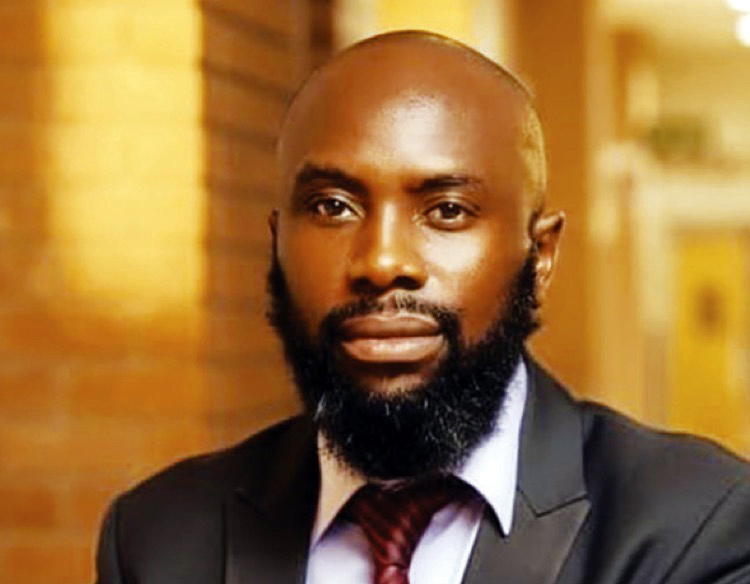
For years, Nigeria’s George M. Omagbemi Benneth believed he had found stability in South Africa. The Nigerian entrepreneur built a life in Johannesburg, where he established St. George Guest House and ran a thriving business buying, repairing and reselling accident-damaged vehicles. He married a South African woman, started a family and looked forward to a secure future.
But everything changed when rising xenophobic hostility made him fear for his life. Forced to choose between protecting his investments and staying alive, George abandoned the businesses he had spent years building and returned to Nigeria with little more than his life. He left behind his wife, two sons, his guest house and the livelihood he had painstakingly created.
In this exclusive interview with Saturday Sun, the returnee recounts the fear, uncertainty and emotional pain of fleeing South Africa, the devastating losses he suffered, the challenges of rebuilding his life in Nigeria and his appeal for support from the government, private organisations and well-meaning individuals. He also shares important lessons for Nigerians considering relocating abroad and his hopes for a future where Africans can live and work together without fear of xenophobic violence.
What took you to South Africa in the first place?
I travelled to South Africa in 2005, 21 years ago in pursuit of better opportunities and a means of building a sustainable future. I am from Warri South-West Local Government Area of Delta State, Nigeria.
Like many Nigerians who relocate abroad, I went to South Africa with hope, determination and the belief that hard work would enable me to create a decent livelihood. Over time, I established myself and operated a guest house, the St George Guest House, which became an important source of income and livelihood for me. I am married with two boys. We were staying in Johannesburg. I am married to a South African, my kids are schooling, though I came alone and making provisions for them to join me when I’m settled here in Nigeria. My first son is old enough to take his decisions, but as for my wife, I truly don’t know, but she might likely come visiting me one day.
How many years did you spend in South Africa?
I left Nigeria in 2005 and I came back in 2026, meaning I spent 21 years there.
When did you first realise that the xenophobic attacks had become a serious threat to your safety?
I realised the situation had become a serious threat when the hostility towards foreign nationals became increasingly aggressive and moved beyond verbal intimidation to direct threats and attacks. At that point, it was no longer simply a concern about property or business. I personally felt that my life and safety were at risk.
Can you describe what you personally experienced during the attacks? What happened on that day?
The experience was frightening because I was directly threatened. I had a guest house, and the atmosphere became extremely unsafe. I was confronted with a situation where I could no longer guarantee my own safety or the security of my livelihood. At that moment, survival became more important than everything else I had built. I knew I had to find a way out and return to Nigeria.
Did you lose any property, business, or means of livelihood as a result of the violence? If yes, what exactly did you lose?
Yes. The violence had a devastating impact on my livelihood. I had a guest house that represented an investment of my time, resources and years of hard work. I was also involved in buying accident-damaged vehicles, repairing them and reselling them for profit. This was another important part of my livelihood and a business I had developed through experience and personal investment. Being forced to leave South Africa disrupted both my guest house business and my vehicle-related business activities. I lost the stability and means of livelihood I had worked hard to establish. Returning to Nigeria therefore meant starting again from almost nothing and trying to rebuild the economic foundation I had spent years developing.
How did the South African security agencies and local authorities respond during the attacks? Do you think they did enough to protect foreign nationals?
From my personal experience, I did not feel sufficiently protected. When a foreign national is directly threatened and feels that remaining in his home or place of business could endanger his life, the responsibility of the authorities becomes very important. I believe more proactive measures should be taken to protect foreign nationals, prevent attacks before they escalate and ensure that perpetrators are held accountable.
How were you eventually evacuated back to Nigeria, and what was that journey like for you and the other returnees? How did your parents react on your return to Nigeria?
In my case, I arranged my own return to Nigeria. It was not a journey I had planned under normal circumstances; it was a decision driven by the need to protect my life and get away from an increasingly unsafe environment. Returning home was emotionally difficult because I was coming back without the stability and livelihood I had worked to establish. My return was also painful for my family. Parents naturally want to see their children succeed and become established, so coming back under such circumstances was difficult for them. However, the most important thing was that I returned alive.
Now that you are back in Nigeria, what are your biggest challenges?
My biggest challenge now is rebuilding my life and livelihood from the ground up. I returned to Nigeria after losing the stability and opportunities I had worked hard to establish in South Africa. I was operating a guest house and was also involved in buying accident-damaged vehicles, repairing them and reselling them. These businesses provided me with income and independence, but returning under such difficult circumstances disrupted everything. At this stage, I need financial support to restart, business or livelihood assistance, and opportunities that can help me become economically independent again. I am also available for administrative and writing-related work, where I can put my skills and professional experience to good use.
I am appealing to the Nigerian government, NGOs, private organisations, businesses and well-meaning individuals to support me and other returnees who find themselves in similar circumstances. I am not asking for permanent dependency; I am asking for an opportunity to rebuild. With the right support, whether through financial assistance, employment, business opportunities or access to resources, I believe I can start again, become productive and contribute meaningfully to the society.
What message would you like to send to Nigerians who are still living and working in South Africa?
I would advise Nigerians in South Africa to remain vigilant and take their personal security seriously. No business, property or financial gain is worth losing your life. I also encourage Nigerians to maintain good relationships with their host communities, obey the laws of the country and avoid unnecessary confrontations. At the same time, I urge the relevant authorities to take threats against foreign nationals seriously and ensure that Nigerians who live and work legally in South Africa are protected.
In your opinion, what should the governments of Nigeria and South Africa do to prevent future xenophobic attacks and protect African migrants?
Both governments need to treat xenophobia as a serious issue requiring continuous action rather than waiting until violence breaks out. South Africa should strengthen law enforcement, prosecute perpetrators and improve mechanisms for reporting threats against foreign nationals. Nigeria, on the other hand, should strengthen its diplomatic and consular support for Nigerians abroad and ensure that citizens facing emergencies can receive timely assistance. There should also be stronger cooperation between both countries, including public education programmes that promote tolerance and make it clear that African migrants should not be made a scapegoat for broader economic or social problems.
Despite your experience, do you still believe Africans can live together peacefully, and what lessons have you personally learned from this ordeal?
Yes, I still believe Africans can live together peacefully. Africa belongs to all of us, and our differences in nationality should not become reasons to hate or attack one another. This experience taught me that life can change very quickly. It also taught me that security and human dignity must always come before material possessions. I learned to value life more deeply and to understand the importance of having a support system and a plan for unexpected circumstances.
Did you witness anyone being injured or killed during the attacks?
My experience was primarily centred on the direct threat to my own safety and the loss of my livelihood. I do not want to make claims about specific injuries or deaths that I did not personally witness. What I can say is that the atmosphere was frightening enough for me to realise that remaining there was no longer safe.
Were you able to recover any of your belongings before leaving South Africa?
I had to prioritise my safety and departure. I was not in a position to recover everything connected to the life and livelihood I had established there. Leaving under those circumstances meant that some of what I had built was effectively left behind.
How has this experience affected you and your family emotionally?
It has been very painful. When you leave your country in search of opportunity, you expect that your hard work will lead to progress. Having to return because your safety is threatened is emotionally difficult. For my family, it was also a worrying experience because no parent wants to receive news that their child is in danger. Although I am grateful to be alive, the experience has left me with the difficult task of rebuilding my life and restoring the confidence and stability that were disrupted.
If given another opportunity, would you return to South Africa?
At this moment, I would be very cautious about making such a decision. My experience has changed the way I look at relocation and personal security. South Africa has opportunities, but any decision to return would depend heavily on my safety, the security situation and guarantees that I can live and work without being targeted because I am a foreign national. My priority now is to rebuild my life and regain economic independence.
What would you say to young Nigerians planning to relocate abroad in search of better opportunities?
I would tell them not to relocate simply because they believe everything is better abroad. Do proper research before travelling. Understand the laws, immigration requirements, employment situation and security conditions of the country you are moving to. Most importantly, have a realistic plan and an emergency strategy. Build skills that can give you more than one source of income and maintain strong connections with family and trusted people. Going abroad can create opportunities, but it also comes with challenges. Do not sacrifice your safety, dignity or peace of mind in pursuit of money. And if you do relocate, remember that your goal should not only be to survive abroad but to build a sustainable and dignified life.