Follow Us on Google
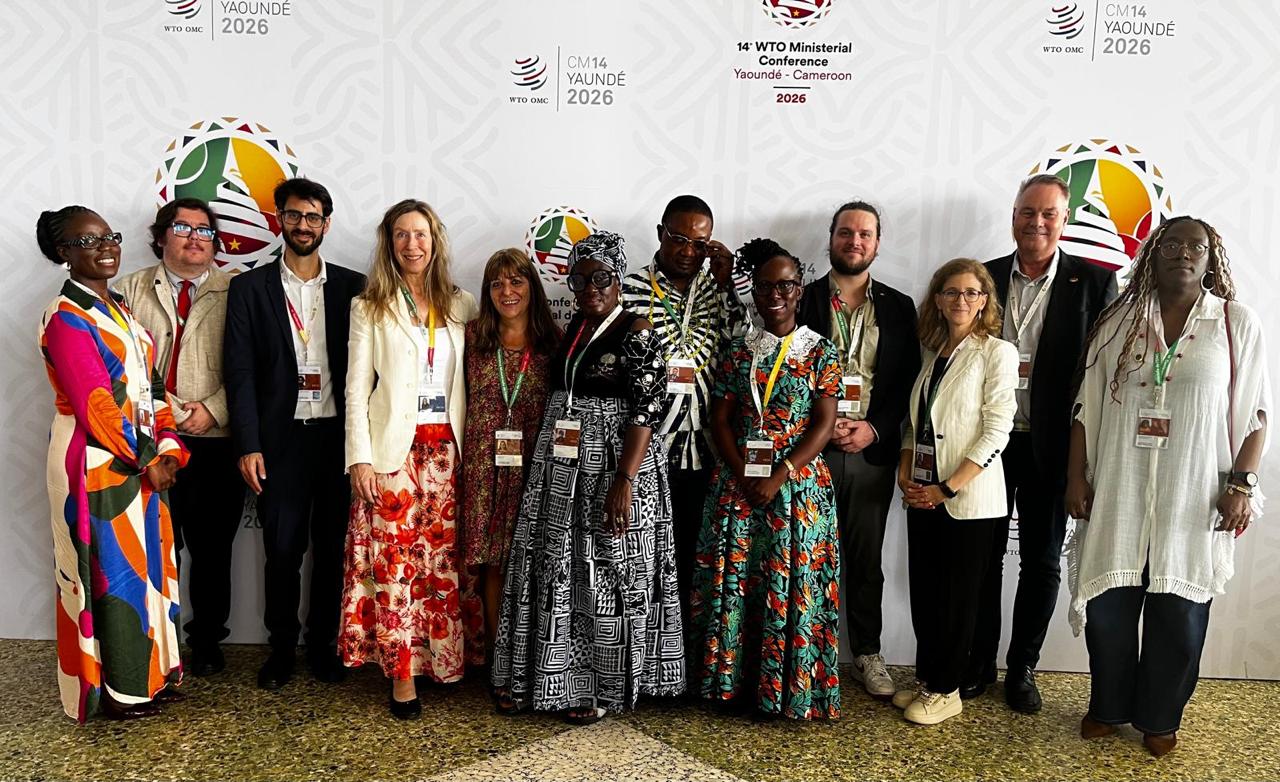
Trade ministers meeting in Yaoundé have delivered limited gains for African countries following the conclusion of the World Trade Organization (WTO) 14th Ministerial Conference, said IndustriALL Global Union According to IndustriALL, the outcome of the recently concluded global meeting exposed deep divisions on key development issues, with little progress on priorities for Africa and other developing economies.
Despite four days of negotiations, ministers reached agreement only on integrating small economies into global trade and strengthening special treatment measures on food safety and technical standards. Critical issue, including agriculture, digital trade, fisheries subsidies and WTO reform were deferred to Geneva for further discussions.
“This was a missed opportunity to expand industrial policy space for decent job creation, particularly for Africa’s youthful population,” said Paule-France Ndessomin of IndustriALL. “Fairer and more equitable trade rules that prioritise African workers and communities are urgently needed.”
The global union federation noted that African trade unions and civil society groups had expected concrete outcomes on long-standing development concerns but were left disappointed.
A key flashpoint at the talks was the collapse of negotiations on the long-standing moratorium on customs duties on electronic transmissions, which has been in place since 1998.
The failure to renew the measure means countries are no longer bound from taxing cross-border digital products such as software, music and e-books.
The United States had pushed for a permanent extension, later proposing a five-year renewal while Brazil argued for maintaining the existing two-year cycle, warning that longer restrictions could limit developing countries’ ability to raise revenue and regulate their digital economies. A related moratorium under intellectual property rules also expired without agreement.
Other News
Trade unions, including IndustriALL, said the deadlock reflects deeper imbalances in global trade rules, warning that extended duty-free digital trade would primarily benefit advanced economies while restricting policy space for African countries still developing their digital infrastructure.
Agriculture, another critical issue for Africa also saw no meaningful progress. Long-standing demands by the Cotton-4 countries: Benin, Burkina Faso, Chad and Mali on subsidies remained unresolved, while broader discussions on domestic support, market access and food security failed to produce outcomes.
The United States was reported to have blocked movement on agriculture earlier in the conference, calling for a fundamental reset of negotiations.
Divisions also emerged over a proposed Investment Facilitation for Development Agreement, with trade unions and civil society groups warning that incorporating it into WTO rules could undermine the organisation’s consensus-based system and limit national policy space.
African stakeholders instead pointed to the African Continental Free Trade Area Investment Protocol as a more suitable framework, arguing it better reflects regional priorities and offers stronger protections for domestic investors.
Civil society organisations, including the Africa Trade Network, said the Yaoundé meeting highlighted persistent inequalities in the global trading system, particularly for developing economies.
With key issues now pushed back to Geneva, African negotiators and labour groups say the focus must shift toward securing trade rules that support industrialisation, job creation and inclusive growth across the continent.