Follow Us on Google

…Urges members to break deadlock
Ngozi Okonjo-Iweala calls for flexibility and faster negotiations as divisions persist over fisheries, agriculture, services and development priorities
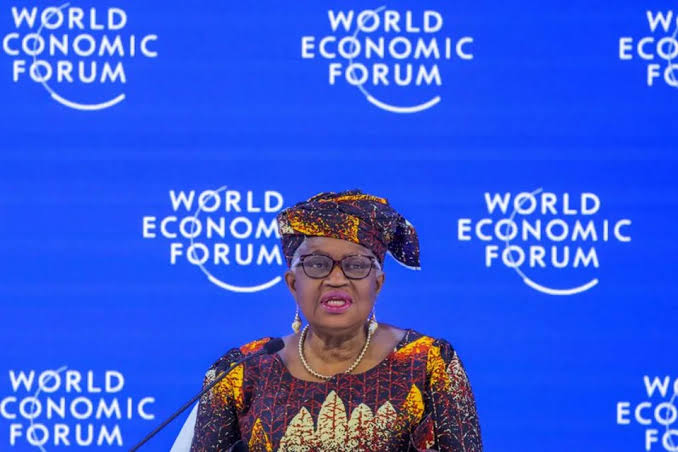
World Trade Organization (WTO) Director-General Ngozi Okonjo-Iweala has urged member countries to inject momentum into stalled global trade negotiations, warning that progress since the organisation’s 14th Ministerial Conference (MC14) has been “relatively modest” and calling for urgent action to break the impasse.
Speaking at the October meeting of the WTO’s Trade Negotiations Committee, Okonjo-Iweala said members needed to move beyond entrenched positions and demonstrate greater willingness to compromise if negotiations were to deliver meaningful results. The meeting reviewed developments six months after MC14, held in Yaoundé, Cameroon, with negotiating chairs reporting on fisheries subsidies, agriculture, services, trade and development, and geographical indications.
Okonjo-Iweala, who chaired the meeting, said growing calls from members for a faster negotiating process underscored the need to reassess priorities and identify practical ways forward. While discussions on institutional reform continued, she stressed that negotiations remained central to the WTO’s work and should not lose momentum. “We all recognize that, since MC14, the overall pace of negotiating activity has been relatively modest,” she said, urging members to use the meeting to determine how to advance outstanding issues.
On fisheries subsidies, Guyana’s Ambassador Leslie Ramsammy expressed cautious optimism following a round of negotiations known as “Fish Week” and bilateral consultations involving 24 members and groups of members. He said the discussions had reinforced the sense of urgency surrounding the negotiations, with members showing interest in returning to text-based talks. However, disagreements remain over the framework for resuming negotiations, even as Ramsammy noted that no member had called for the process to start from scratch or for years of previous work to be discarded.
Agriculture also remains a major priority, with Pakistan’s Ambassador Ali Sarfraz Hussain reporting continued differences over how to organise and prioritise issues covered by earlier WTO decisions. Following a meeting of the agriculture negotiating group on 23 September, Hussain said most members had reaffirmed the sector’s importance but had yet to reach a common understanding on the way forward. Nevertheless, he pointed to “numerous concrete suggestions” from delegations as evidence of constructive engagement, with further meetings scheduled for 27 October and 23 November.
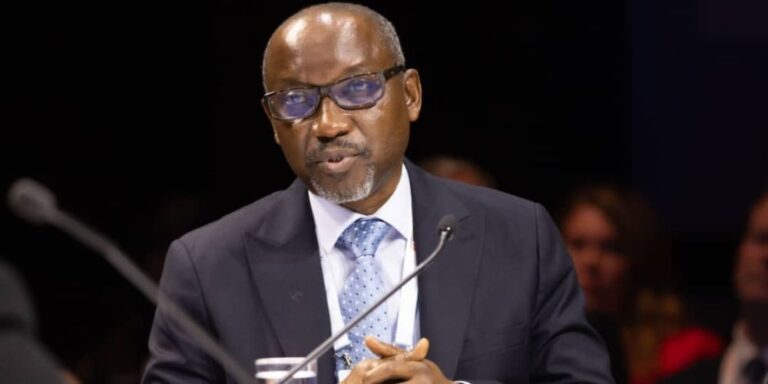
In services, Nigeria’s Ambassador Adamu Mohammed Abdulhamid reported that members had considered a proposal to examine progress in services commitments under regional trade agreements. Although the proposal had generated discussion, some members expressed reservations, leaving further consultations necessary before agreement could be reached. Abdulhamid said the services negotiating group had a standing mandate under the General Agreement on Trade in Services, similar to the mandate governing agriculture negotiations, but acknowledged that substantive engagement in services had proved more difficult to generate.
He called for a negotiating agenda that reflected the principal interests of all WTO members, highlighting the importance of building common ground in a sector that plays an increasingly significant role in international commerce. The discussions illustrated the wider challenge facing the organisation: members may recognise the importance of negotiations but remain divided over which issues should take precedence and how progress should be measured.
Other News
On trade and development, WTO Deputy Director-General Xiangchen Zhang, speaking on behalf of Ambassador Kadra Ahmed Hassan of Djibouti, reported progress on a commitment made at MC14 concerning the implementation of special and differential treatment provisions under the agreements on sanitary and phytosanitary measures and technical barriers to trade. Zhang described the achievement as significant, citing cooperation between the trade and development negotiating group and the relevant technical committees as an example of how collaboration could produce tangible results.
However, seven Agreement-Specific Proposals submitted by the G-90 group of developing and least-developed countries remain unresolved. Their prospects will depend on further engagement between the G-90 and other WTO members. The outstanding proposals highlight continuing debates over how the multilateral trading system can better accommodate the needs and circumstances of developing economies while maintaining a framework acceptable to the organisation’s diverse membership.
Meanwhile, Panama’s Ambassador Alfredo Suescum reported renewed interest in negotiations on establishing a multilateral system for the notification and registration of geographical indications for wines and spirits. He said some stakeholders who had initially shown limited awareness of the proposed register were becoming increasingly interested in exploring its potential usefulness in the current trading environment. However, no concrete proposals had yet emerged, leaving the initiative at an exploratory stage.
The negotiating chairs’ reports prompted interventions from 40 WTO members, including delegations speaking on behalf of groups of countries. Members raised concerns across the various negotiating areas while emphasising the need for inclusive discussions, consensus-building and balanced outcomes. Several delegations also warned that overlapping schedules for WTO reform meetings and negotiating sessions were placing additional pressure on national delegations, particularly those with limited staffing and resources.
Despite those concerns, many members, alongside the Director-General, maintained that institutional reform and substantive negotiations should advance simultaneously rather than compete for attention. The challenge, however, is to ensure that the workload associated with reform does not further slow progress on trade issues that have remained unresolved for years. For smaller delegations in particular, managing parallel discussions can limit their ability to participate effectively across the WTO’s expanding agenda.
Closing the meeting, Okonjo-Iweala delivered a pointed appeal for greater flexibility, cautioning members against treating their negotiating positions as immovable demands. “Please, people should not put down their position and then walk away and say, if you don’t do it the way I want, then I’m not going to move,” she said. “If we continue that way, then I don’t know why we are all here.” Her remarks underscored the growing frustration over negotiations in which entrenched positions risk preventing even incremental progress.
The WTO chief nevertheless insisted that the slow pace of negotiations should not be mistaken for a reason to abandon efforts to reach agreement. “I’m not walking away from this room discouraged,” she said. “I want you to know that I’m walking away saying we have work to do. We will not take impasse as a yes. We have to move, and we have to move expeditiously.”