Follow Us on Google
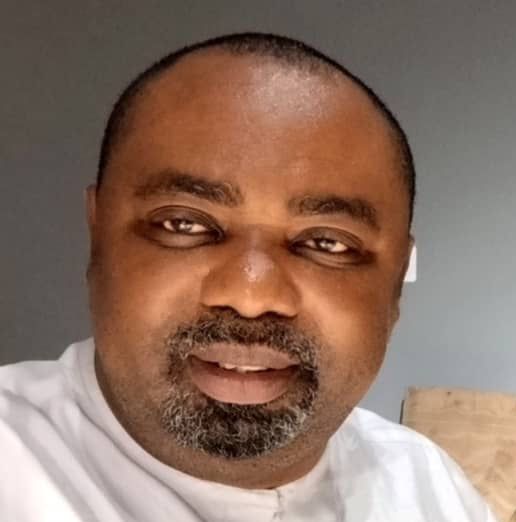
From Felix Ikem, Nsukka
Jeff Unaegbu is a research fellow at the University of Nigeria’s Institute of African Studies, specializes in paremiography and ethnographic history. As an accomplished writer and editor, he has published 33 books, including biographies, histories of unions, institutions, and university faculties, and produced over twenty video documentaries.
His poetry and stories have won awards and been published internationally. Notable works include Ode on Lagos (a book containing the longest metrical poem by a Nigerian and which won third place in the ANA/Cadbury Prize in 2011); Freedom in Our Bones (history of the Student Union of UNN), Origins of the NYSC, and detailed history books on various faculties of the University of Nigeria.
He led a major project on writing the history of the entire University of Nigeria during the university’s 50th anniversary but shifted focus to detailed, faculty-based histories to garner more precision. His extensive work continues to be a vital resource for students, scholars, and alumni, ensuring Nigeria’s educational heritage is enduringly documented.
Tell us how and when the desire to enshrine the history of the University of Nigeria into permanent record first became your focus?
My interest in documenting histories, especially of places and institutions, started around 2005 when I was still an undergraduate at the University of Nigeria. I became restless with the idea of uncovering and preserving the histories of faculties, institutes, unions, and even the university itself. By 2006, I had already taken steps to realize this passion. As a final-year student, I served as the Editor-in-Chief of the Students’ Union Government’s publication, The Roar. That year, I authored Freedom in Our Bones, which detailed the history of the Students’ Union of the University from 1960 to 2004. The book was well-received and even won third place at the Nigerian Universities Research and Development Fair in 2008. I revised it in 2016 to include more details, and it now spans over 600 pages.
Your first major work was on the Students’ Union. What motivated you to focus on that aspect of university life?
The students’ union is the heartbeat of student life and activism on campus. It’s a microcosm of the larger national struggles, aspirations, and achievements of students. I wanted to ensure that the history of the student movement, which has played such a vital role in Nigeria’s political and social development, was captured accurately. It was also personal—having been involved in student activism myself, I felt a responsibility to preserve that legacy.
You also authored The Origins of the NYSC in 2009. How did this project come about, and what impact do you think it has had?
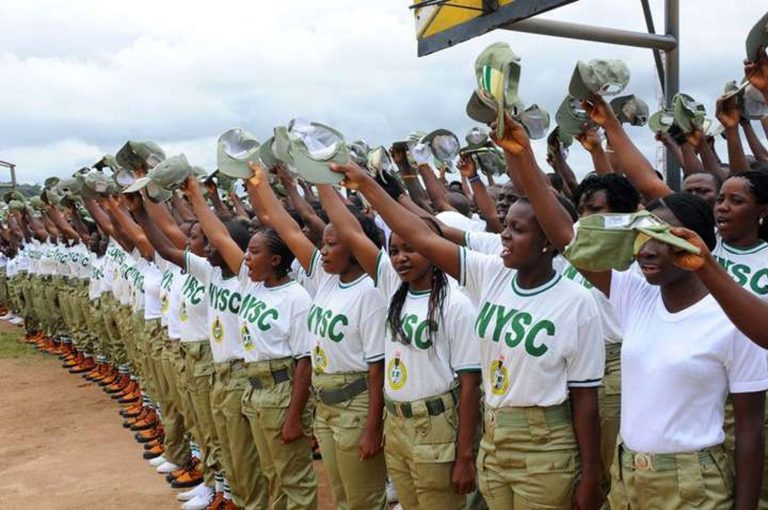
When I completed my first book on the students’ union, I realized the importance of understanding Nigeria’s broader institutional history. The National Youth Service Corps is a central part of Nigeria’s post-independence story—an initiative aimed at fostering unity and national development. I wanted to document its origins and core vision. I believe my book has become a key resource for many NYSC candidates each year. It helps them understand the significance of the scheme beyond just a national program; it’s about nation-building, history, and identity.
It’s clear your work has influenced many young Nigerians. Moving forward, in 2010, you began a major project to document the history of the University of Nigeria itself. Could you tell us about that effort?
Certainly. I was initially part of a collaborative effort with Prof. Alex Animalu and Prof. Emeka Otagburuagu to produce a comprehensive history of the university for its 50th anniversary. Unfortunately, when the university formed a dedicated committee to handle the same project and asked us to collaborate, subtle drag of feet slowed things down significantly. Recognizing that a systematic and focused approach was necessary, I decided to proceed independently. My aim was to produce detailed histories of each faculty and institute of the University, to serve as a lasting record of their unique stories and contributions.
That sounds like a monumental task. How did you go about it?
I approached it with meticulous care. My first major project was in 2013 when I authored History of the Institute of African Studies, University of Nigeria, Nsukka (1963–2013), in collaboration with Prof. Sam Onuigbo. This was to mark the Institute’s 50th anniversary. The project was funded by a generous donation of three million Naira from Engineer Sam Oyechi, which helped us achieve a comprehensive publication. The book celebrated the milestones of the Institute and also helped raise funds for its ongoing development.
You’ve also authored several other faculty histories. Could you tell us about some of those?
Sure. In 2014, I collaborated with colleagues to produce Iroko from Sapling, the history of the Faculty of Agriculture, covering its journey from 1961 to 2014. It was presented during the faculty’s homecoming that year and has become a key material used by new students. Due to its popularity, we published a second edition in 2020 and a third in 2023. Then, in 2017, I worked with Professors Fidelis Ugwuowo and UC Okoro to produce Pride of the Den, a history of the Faculty of Physical Sciences from 1973 to 2017. This was also unveiled at their homecoming and has since been revised, with a second edition in 2021 that incorporated updates from Prof. Nnamdi Obasi. In 2021, I co-authored Breath of Life, the history of the Faculty of Biological Sciences, covering 1973 to 2023
It’s remarkable how you’ve been able to document the evolution of these faculties in such detail. Do you see this as a way of preserving the legacy of the university?
Exactly. Each faculty has its own story, its milestones, struggles, and contributions to Nigeria’s development. Preserving these histories is my way of ensuring that future generations understand and appreciate the university’s role in nation-building. It also helps foster pride and continuity among students, staff, and alumni.
Recently, you’ve taken on new projects, including commissions from other faculties of the University. Can you tell us about those?
Yes. In January 2023, the Faculty of Pharmaceutical Sciences commissioned me to write Humans of Honour, covering the history of their faculty from 1961 to 2023. Then, in March 2023, I was asked by the Faculty of Engineering to write Power of the Den, which documents their journey from 1961 to 2023. These projects are crucial because they highlight the contributions of these faculties to Nigeria’s development, and I see it as my duty to ensure their stories are preserved and celebrated.
And what about your latest work?
I just finished editing Heart of the Den, a history of the Faculty of the Social Sciences from 1960 to 2025. I worked with Chidi Nzeadibe and Obiora Anichebe on this project. It’s a comprehensive account, with a foreword by Prof. Okwudiba Nnoli, a former Dean of the faculty. The book captures key events, achievements, and challenges faced by each Dean since the faculty’s inception. It was officially presented during the first Nnamdi Azikiwe Memorial Lecture of the faculty on November 14, 2025. I see this as an essential record of how social sciences have shaped and responded to Nigeria’s societal developments.
Aside from these institutional histories, you’re also working on broader university community projects, right?
Yes. I am currently working on Spartans of the Den, which is a brief history of sports in the university. It aims to chronicle our athletic achievements, sporting culture, and the role of sports in fostering unity among students and staff. Additionally, I am writing Where Best Brains Are Preserved, a history of the Senior Staff Club, which focuses on the welfare and social engagement of university staff. These projects are part of my effort to capture the full breadth of the university’s history—beyond academics and administration—to include the social and cultural fabric that makes our university unique.
How many books have you written so far, and what drives you to keep going?
As of now, I’ve authored thirty-three books. My drive comes from a deep sense of responsibility—preserving Nigeria’s academic and cultural history is not just a duty but a passion. I want my work to inform, inspire, and serve as a lasting record of our collective journey as a nation and as a university community. It’s about ensuring that the stories of our heroes, institutions, and milestones are never forgotten.
Before we conclude, what advice would you give to young scholars aspiring to document history and culture in Nigeria?
My advice is simple: Be passionate about your subject. Do thorough research, verify your facts, and be meticulous in your work. History is a precious resource that shapes our identity, so approach it with integrity and dedication. Also, don’t be afraid to focus on specific aspects—like faculties or personalities—because detailed, focused histories are often more impactful than broad, superficial narratives. And most importantly, preserve the stories that matter; they are our collective legacy.