Follow Us on Google
• Abuja residents welcome slight drop in food prices
From Charity Nwakaudu, Abuja
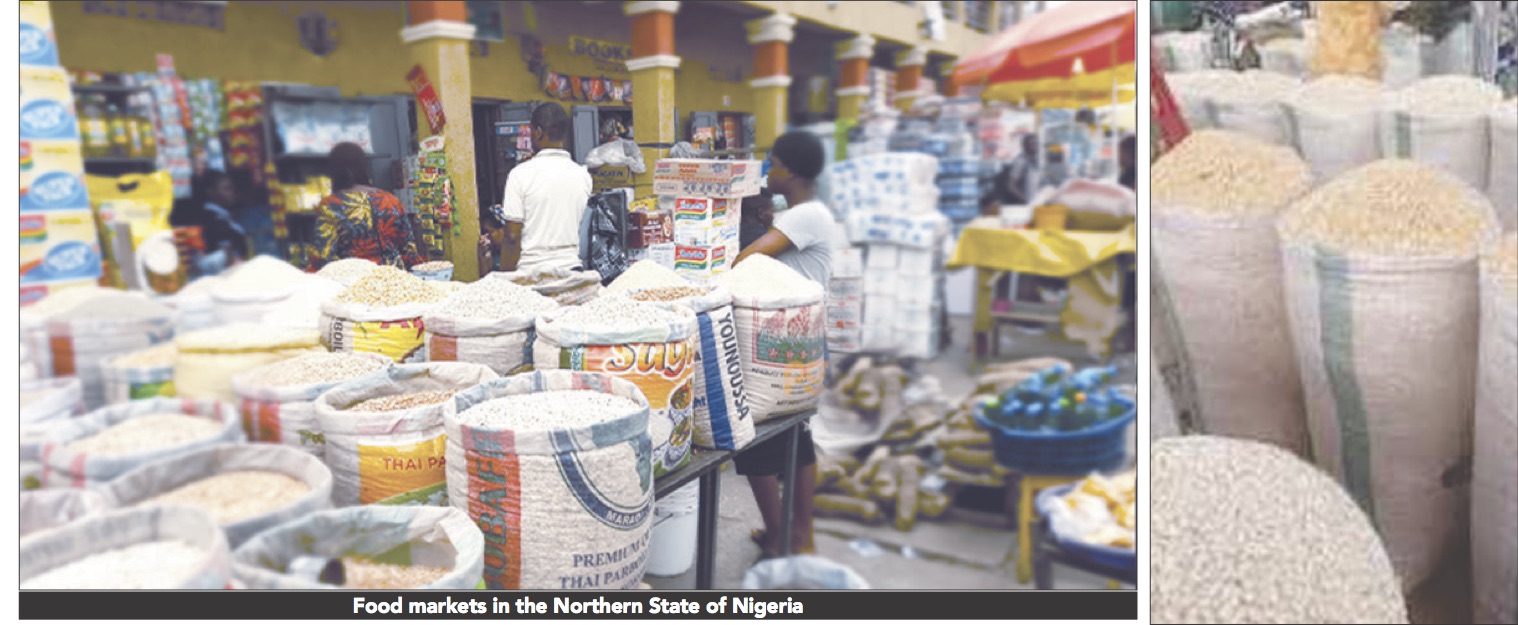
With worsening food insecurity and the threats posed by climate change, residents of the Federal Capital Territory (FCT), Abuja, are cautiously celebrating decline in the prices of major food items. This relief comes amid an economic landscape battered by inflation, insecurity and environmental disruptions, raising both hope and concern in the capital city.
According to the National Bureau of Statistics (NBS), food inflation surged to 26.7% in the first half of 2025, a grim reminder of persistent challenges. The Nigeria Meteorological Agency (NiMet) has also reported increasingly erratic weather patterns contributing to lower agricultural yields, compounding food supply issues. Simultaneously, security concerns, with localized conflicts and banditry affecting farming communities in the North-West and North-Central regions, continue to restrict farm-to-market access, pushing up prices across much of the country.
In this complex backdrop, the recent reduction of food prices in Abuja offered some respite, although many families say the drop, though significant, remains insufficient against the tide of pervasive hardship.
Alice Ajo, a resident of Dutse Alhaji, details the changes with a mixture of relief and realism. “Last year, a bag of Big Bull rice cost over ₦100,000, but now it’s between ₦60,000 and ₦65,000. A mudu of beans dropped from ₦4,000 to as low as ₦1,500 per unit. Garri prices plunged from ₦1,200 to ₦400, and corn now sells for ₦300 to ₦500, instead of ₦1,000.” She credits the approaching harvest season but underscores ongoing financial struggles. “Even with these price drops, many families are still finding it hard to afford basic food items,” she explains.
Joy Adejo, from Kubwa: “In Bwari, I buy a mudu of rice for ₦1,200 to ₦1,400, compared to ₦1,800 to ₦2,000 here in Kubwa. It’s better than last year when rice was over ₦3,000 per mudu. Vegetables like tomatoes, pepper and onions have also become more affordable.”
Florence Abah, a civil servant in Jabi, said the price relief “has brought significant comfort. At Mandala Market, not only are prices better, but we also get more quantity per measure.”
Food security experts warned that while harvest time eases prices temporarily, longer-term risks remain acute. The National Food Security Council (NFSC) recently disclosed that Nigeria lost up to 20 per cent of farm output annually due to insecurity-related disruptions—farmers unable to access their lands or transport goods safely. Climate change compounds these challenges. NiMet data shows increased drought frequency and flooding affecting staple crop zones, reducing yield stability. The Ministry of Agriculture, acknowledged that changing rainfall patterns shortened growing seasons for key grains like maize and rice, pushing up food costs nationally.
The National Food Reserve Agency increased grain stockpiling to buffer against shortages. Subsidies on farm inputs like fertilizer and improved seed varieties were extended to smallholder farmers. Efforts to enhance agricultural infrastructure—such as rural roads and irrigation projects—seek to mitigate the combined impact of insecurity and climate effects.
Recent initiatives to promote climate-smart agriculture encourage farmers to adopt drought-resistant crops and sustainable practices. Despite these measures, execution challenges and budgetary constraints limit their immediate impact, especially for vulnerable urban populations reliant on market purchases rather than subsistence farming.
While consumers express relief, some traders face financial strain due to unexpected price drops. A Wuse Market trader who borrowed ₦3.5 million in December 2024 shares her plight: “We expected maize prices to double by the next harvest but prices have fallen below our cost. Our capital is tied up, and recovery looks bleak.”
Georgina Aka, another grain trader, voiced similar frustration: “Prices are dropping. Those of us who stocked up hoping to profit are bearing heavy losses.” Such experiences highlight the volatility and risk inherent in Nigeria’s food market under current conditions.
Experts stress that the recent price dip is fragile and contingent on multiple factors – security stability, climate resilience, and policy implementation. The Agricultural Extension Services continue to advocate for diversified livelihoods and increased production to offset insecurity’s toll.
An economist, Dr. Ibrahim Musa, said: “For sustainable food price stability, Nigeria must invest decisively in rural security, climate adaptation, and market infrastructure. Without these, short-term gains risk reversal, deepening food insecurity.”
Alice Ajo: “We pray prices don’t climb again. Food remains a lifeline we must protect at all costs.”