Follow Us on Google
The Sun
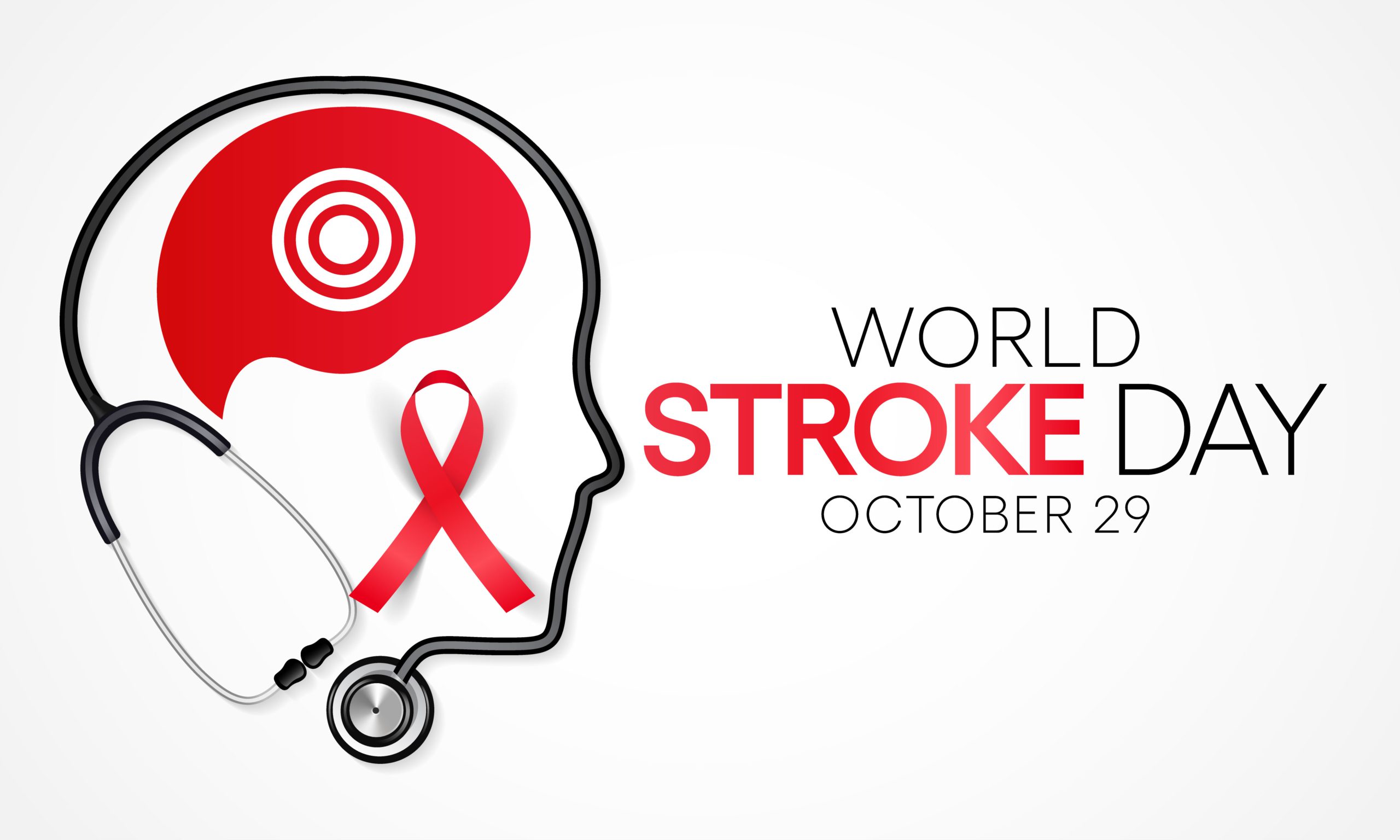
As Nigeria joins the rest of the world to mark World Stroke Day 2025, Stroke Action Nigeria has called on citizens to take charge of their health and join efforts to prevent and reduce the growing number of stroke cases across the country.
In partnership with the World Stroke Organisation (WSO), Federal Medical Centre (FMC) Onitsha, Asaba Specialist Hospital, and FMC Asaba, the organisation is leading a nationwide awareness campaign themed “Power to STOP Strokes in Nigeria.”
The campaign focuses on education and empowerment, helping Nigerians understand how to prevent stroke, recognise warning signs early, and support survivors and their families.
Across Anambra and Delta states, over 203 trained stroke champions are spreading the message in schools, universities, workplaces, and communities.
They are encouraging citizens to #ActFAST—by learning to recognise the early symptoms of stroke, make simple lifestyle changes, and take swift action that could save lives.
Rita Melifonwu, Chief Executive of Stroke Action Nigeria and Board Member of the World Stroke Organisation, emphasised the importance of citizen-driven action. “Every Nigerian has the power to stop strokes.
“By equipping ourselves with the knowledge to prevent and act fast when stroke strikes, we can drastically reduce the number of lives and families affected by this devastating condition.”
Other News
To commemorate this year’s World Stroke Day, Stroke Action Nigeria, working closely with the Federal Ministry of Health and several partners, is implementing community-based activities across different states.
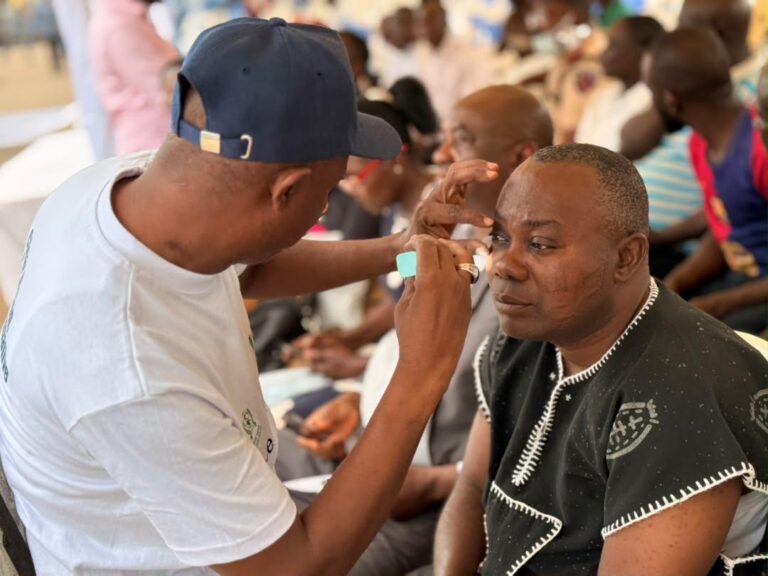
These activities include free stroke risk assessments and monitoring for blood pressure, diabetes, cholesterol, and body mass index; weekly fitness sessions tagged Park Walk and Run Against Stroke to promote exercise and weight management for citizens with high BMI; and a series of Stroke Assemblies—conferences, seminars, and workshops designed to increase public awareness and understanding of stroke prevention, stroke signs and symptoms, emergency response, and post-stroke rehabilitation for survivors.
Melifonwu, who also serves as Co-Chair of the Case Management, Research and Surveillance Non-Communicable Diseases (NCD) Technical Working Group at the Federal Ministry of Health, noted that early detection and rapid action are critical to saving lives.
She continues to raise the profile of the need for quality stroke care and stronger community engagement in Nigeria.
She added that Stroke Action Nigeria will continue to champion improved prevention, care, and rehabilitation services nationwide. Through collaboration with both local and international partners, the organisation provides education, advocacy, and rehabilitation support to improve the quality of life for stroke survivors and their families.
Nigerians who wish to become Stroke Champions or learn more about stroke prevention are encouraged to visit the Stroke Action Nigeria website and join the STOP STROKES movement aimed at empowering communities and saving lives.