Follow Us on Google

From Fred Ezeh, Abuja
The Brain and Spine Foundation Africa (BSFA) has warned Nigerians against delaying medical treatment when symptoms of stroke occur, saying immediate intervention could make the difference between survival, permanent disability and death.
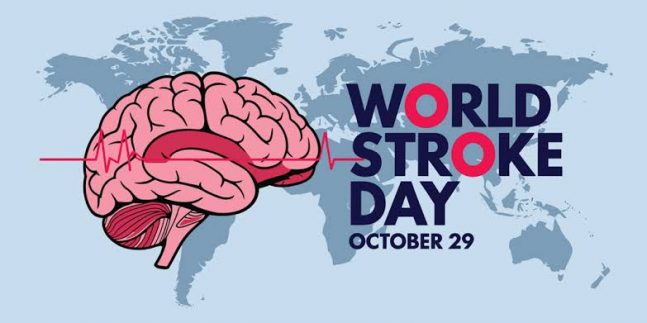
The foundation, through its Executive Director, Chika Okwuolisa, gave the warning on Thursday to mark the 2026 World Stroke Day, with the theme, “Every Minute Counts,” and the campaign message, #ActFAST.
Okwuolisa said early recognition of stroke symptoms and prompt access to emergency medical care could significantly improve patients’ chances of survival and recovery, stressing that the condition could affect anyone, including young adults and people who appeared healthy but had underlying risk factors.
She explained that stroke occurs when blood supply to part of the brain is interrupted by a blockage or when a blood vessel ruptures, causing bleeding in the brain.
“Both situations can damage brain cells within minutes, making immediate medical attention essential,” she explained.
Okwuolisa identified high blood pressure, diabetes, high cholesterol, smoking, certain heart conditions, physical inactivity, unhealthy diets and excessive alcohol consumption as major risk factors.
She noted that many people lived with high blood pressure and other conditions that increased their risk of stroke without experiencing obvious symptoms, urging Nigerians to undergo regular health checks and seek appropriate treatment when necessary.
The foundation’s executive director advised Nigerians to control their blood pressure, manage diabetes and cholesterol, maintain balanced diets, exercise regularly, avoid tobacco and take prescribed medications consistently.
She particularly urged the public to familiarise themselves with the FAST method of recognising stroke symptoms, describing it as a simple but important means of identifying warning signs and responding without delay.
Under the method, F stands for Face, as one side of the face may droop when the affected person is asked to smile. A represents Arms, as one arm may suddenly become weak or drift down when both arms are raised.
S stands for Speech, which may become slurred or difficult to understand, while T represents Time, emphasising the need to seek emergency medical care immediately.
Okwuolisa said other warning signs included sudden weakness or numbness, particularly on one side of the body, sudden loss of vision, dizziness, difficulty walking, loss of balance, confusion and an unusually severe headache.
Other News
She warned that people should not wait for all the symptoms to appear before seeking help, adding that even symptoms that disappeared after a few minutes required urgent medical assessment.
According to her, such symptoms could indicate a transient ischaemic attack, commonly known as a mini-stroke, which may serve as a warning of a subsequent stroke.
The foundation advised anyone attending to a suspected stroke patient to note when the symptoms began, or when the person was last known to be well, while arranging immediate emergency medical attention.
The foundation also warned against giving suspected stroke patients food, water, aspirin or other oral medication without appropriate medical direction, explaining that some patients might have difficulty swallowing, while aspirin could worsen bleeding in cases of haemorrhagic stroke.
Okwuolisa cautioned against relying on herbs, massage or home remedies instead of seeking emergency treatment, noting that some patients could benefit from clot-dissolving medication or procedures to remove blood clots, depending on the type of stroke, the time elapsed since symptoms began and clinical assessment.
On recovery, she said stroke could leave survivors with difficulties in walking, speaking, swallowing, remembering and performing everyday activities, although the extent of disability varied among patients.
She stressed that timely treatment, rehabilitation and family support could improve recovery, identifying physiotherapy, occupational therapy, speech and language therapy, and psychological support as important components of stroke rehabilitation.
Okwuolisa urged families and communities not to abandon stroke survivors because of their disabilities, saying they deserved dignity, compassionate care and access to appropriate treatment.
She also called for stronger emergency health services, trained healthcare professionals, accessible diagnostic facilities, well-equipped stroke units and expanded rehabilitation services in Nigeria and other African countries.
According to her, public awareness campaigns must be complemented by improved access to treatment and policies that reduce the burden of stroke on patients and their families.
She urged Nigerians to use World Stroke Day to learn the warning signs, check their blood pressure and educate their families and communities about the importance of seeking emergency medical attention without delay.
“Learn the signs. Control the risks. Act fast. Support survivors,” she said, stressing that prompt action could save lives and reduce the long-term consequences of stroke.