Follow Us on Google
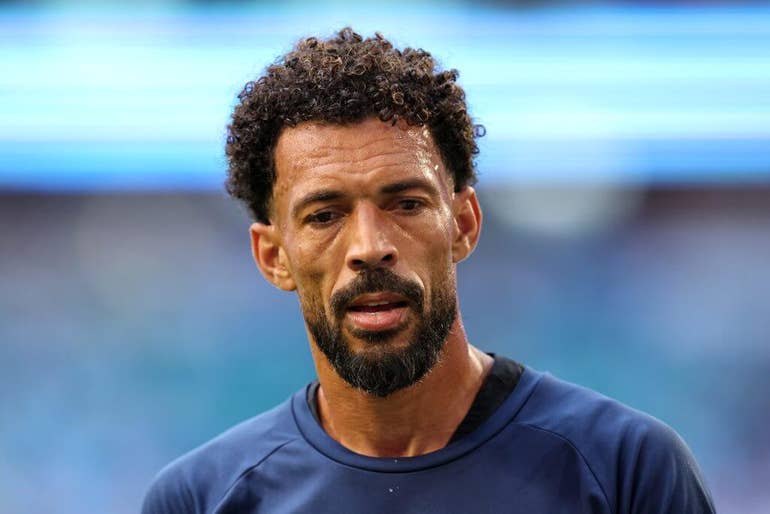
Cape Verde goalkeeper Vozinha has received an extraordinary honour after a newly discovered marine species was named after him in recognition of his remarkable performances at the 2026 FIFA World Cup.
The new species of marine mollusc, a tiny red sea slug measuring about four millimetres, has been officially named Aldisa vozinhai by renowned Spanish marine biologist Professor Jesús Ortea in his latest scientific publication, Historias de la Bioadversidad (Biodiversity Stories).
The species was discovered in the Caribbean waters near Havana, Cuba, and the island of Guadeloupe during Ortea’s biodiversity research. The publication coincided with the ongoing World Cup, where Vozinha emerged as one of the tournament’s surprise stars.
The 40-year-old goalkeeper captured global attention after producing a man-of-the-match display in Cape Verde’s opening Group Stage fixture against European champions Spain. His seven outstanding saves secured a memorable goalless draw and helped the tournament debutants earn one of the biggest results in their football history.
Ortea explained that naming the species after Vozinha was also a tribute to the people of Cape Verde, where he received the country’s Medal of Environmental Merit in 2023 for his contributions to the study of marine biodiversity across the archipelago.
The Spanish zoologist is no stranger to linking science with football. In 2019, he named another newly discovered marine species after former Costa Rica and Real Madrid goalkeeper Keylor Navas.
Vozinha, whose professional career has spanned more than two decades with clubs in Cape Verde, Moldova, Slovakia, Cyprus and Portugal, also made history at the World Cup by becoming the oldest player to feature in a nation’s debut tournament match at the age of 40 years and 12 days.
His performances continued to attract widespread admiration throughout the competition. After keeping another clean sheet against Saudi Arabia, he helped Cape Verde qualify for the knockout stage before producing another seven-save display in a dramatic 3-2 extra-time defeat to defending champions Argentina.
The veteran goalkeeper’s growing popularity has also been reflected on social media. His Instagram following reportedly surged from about 50,000 before Cape Verde’s opening World Cup match to more than 28.5 million during the tournament, underlining the global impact of his inspirational performances.
For Vozinha, the honour represents a rare intersection of sport and science, cementing his place not only in Cape Verdean football history but also in the scientific record through a species that will permanently bear his name.