Follow Us on Google
• Says over 72,000 deaths recorded annually
From Scholastica Hir, Makurdi
A nongovernmental organization, Corporate Accountability and Public Participation Africa (CAPPA) has called on Nigeria governments to tackle cancer disease by addressing the growing link between cancer and Nigeria’s broken food system.
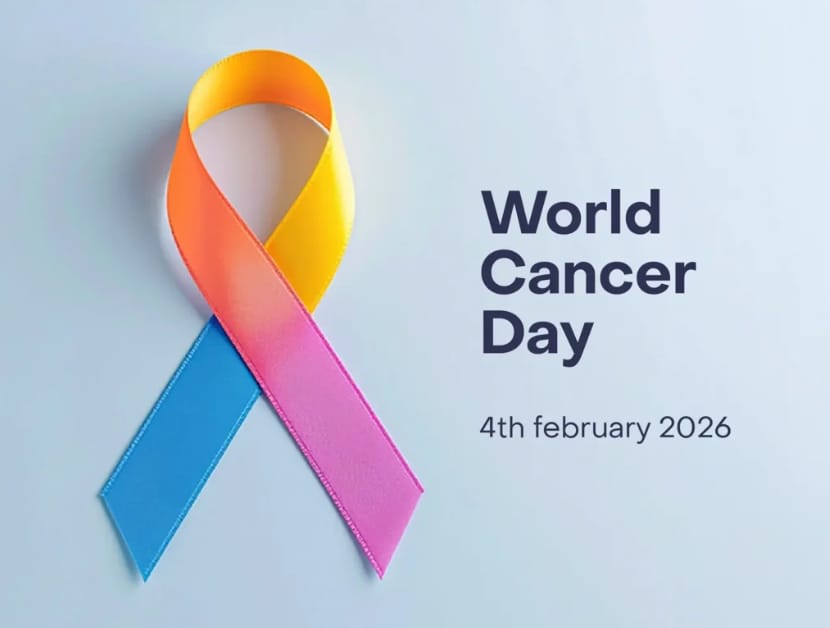
The organization has also reaffirmed its solidarity with the global community to honour the millions affected by cancer while advocating for personalised, patient-centred care.
In a statement by CAPPA’s media and communications officer, Robert Egbe to mark the World Cancer Day, themed, ‘United by Unique,’ the organisation warned that cancer was no longer a distant threat in the country, but a growing epidemic with over 72,000 annual cancer-related deaths and over 120,000 new cases recorded annually, according to the National Institute for Cancer Research and Treatment.
It noted that while genetic and environmental factors play a role, increasing evidence links the rise in colorectal, breast and prostate cancers to the food Nigerians consume and how the food is produced.
Consequently, CAPPA called on the federal and state governments “to implement proactive measures to curb this public health crisis by fixing the cracks in our food system that are contributing to the rising burden of cancer and non-communicable diseases (NCDs) in Nigeria.”
Other News
These cracks, it added, include unrestricted marketing and consumption of ultra-processed foods, poor regulation of tobacco and emerging nicotine products marketing and excessive consumption of sugar-sweetened beverages (SSBs) and salt, among other major cancer and NCD risk factors.
“We urge the government to place renewed focus on strengthening its healthy food policies. These include stricter regulation of tobacco and nicotine products, an upward review of the tobacco control budget, the development of a national guideline to reduce salt consumption, including implementation of mandatory salt targets for processed and pre-packaged foods, a review of the SSB tax from the current N10 per litre to 50 percent of the final retail price of sugary drinks, restrictions on the marketing of unhealthy foods to children and clear nutrition standards for schools, hospitals and other public institutions.”
Recognising tobacco’s role as one of the biggest preventable cancer risks, the statement called for a full implementation of the National Tobacco Control Act, inclusion of new and emerging nicotine products in the ban on all forms of tobacco advertising, promotion and sponsorship, higher tobacco excise taxes adjusted for inflation and strict enforcement against illicit tobacco and nicotine products trade.
The organisation also renewed its commendation of the Federal Government’s plan to earmark pro-health taxes for cancer prevention and care, noting that such measures would help reduce out-of-pocket healthcare spending.
The statement urged governments to make cancer control a development priority, saying the country’s health sector, with only 40,000 doctors for over 200 million people, according to media reports, was at a breaking point.
They said: “Nigeria cannot treat its way out of the cancer crisis. Prevention-focused policies, especially those related to tobacco, food and alcohol offer, perhaps, the biggest and most cost-effective gains. When combined with early detection, health financing and accountability, they can save thousands of lives each year.”