Follow Us on Google
By Henry Uche
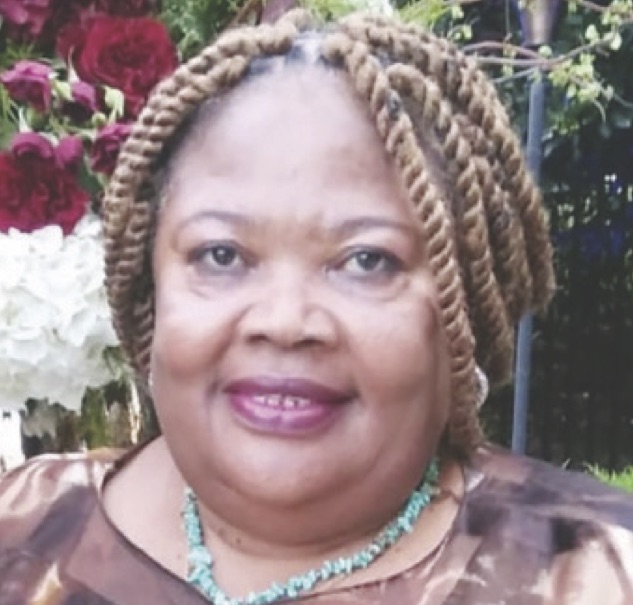
Dr. Rita Amachree, a Nigerian based in the United States, is an advocate of good governance and sustainable development in the country. She has over 21 years experience in the civil service and community development in Maryland, USA.
She believes passionately in accountability, transparency and probity in governance. In this interview, she talks about leadership and related issues.
As an advocate for good governance, what do you think is the quickest way out of Nigeria’s perennial leadership failure?
I am a woman of honour and I am passionate about good governance because I have all my life worked as a beacon of good governance. I understand Nigeria’s perennial leadership failure must be addressed, and good governance is a means to this. We must address the process of reforming the systems of selecting or appointing those who rule or lead. When we start putting the right pegs into the right holes, we would then be engaging based on merit. We must eschew favoritism so we can appoint people based on exposure, experience, competence, integrity, and vision. Ethnicity and quota based on nepotism cannot sustain any nation.
Many states in Nigeria have not domesticated the Child Rights Act 2003 and the implications are harrowing. What is way forward to protect and promote the welfare of women and the girl child in Nigeria?
I will like to speak to this from three angles. The first is from a vantage position of working with women across many international settings and feeling the pulse of women who voice their aspirations, fears and challenges. To protect and promote the welfare of women and the girl child in Nigeria, given that many states have not domesticated the Child Rights Act 2003, several strategies such review and update of laws that affect the Child Rights Act must be done to reflect the current realities facing Nigerian children. Enough of child marriage, exploitation, and violence for the girl child. It hurts me because, I feel the pains of innocent Nigeria girls who do not have the backing of states and local governments towards domestication of the Child Rights Act. The girl-child is left porous with no laws protecting children’s rights. One wonders why advocacy efforts cannot be strengthened within the National Assembly and State Houses of Assembly so as to enable bills supporting children’s rights to be passed. The lack of awareness albeit via the broadcast media and print platforms for campaigns on awareness about the importance of protecting children’s rights and the need to amend outdated laws. Where for crying out loud are the voices of women in government or in industries and institutions who can lend their voices. Can’t women in Nigeria liberate the children through their engagement with concerned selfless influential religious and traditional leaders? It is not a tall order to garner support.
In which way or ways have you supported governments at any level?
I am a moving train and a super support force in progress. My great concern has been about Nigerian women and children, especially the girl-child in the rural communities. This is obvious from my many outings and encounters with communities and governments. I am a trained and experienced advocate of good governance and my expertise are strictly but not limited to encouraging citizens/women participation through engagements with citizens, listening to their concerns, and involving them in decision-making processes. I am that willing heart and voice ready to support government with my experience and social network.
I have through my job experience supported many governments to promote good governance, such as the judiciary, legislature, and anti-corruption agencies all of which will promote a culture of integrity, ethics, and morality in governance and public service. Having worked with civil society organizations, I understand that the rule of law must be upheld as it ensures that it is applied fairly and impartially towards delivering results and achieving development goals.
I say no to negative narratives about bad governance, my fellow Nigerian women who have recently joined the queue of women globally, who desire better opportunities, life and leadership inclusion and as such I am committed to bringing my undiluted support in fostering collaborations among stakeholders, including government, civil society, and the private sector.
I am ready to support efforts to get a clear and universal definition of a child. This way, government will stamp its feet against child marriage. I have used my experience and exposure to preach that institutions like the judiciary and law enforcement agencies are equipped to protect children’s rights. This is one of my core competent specialties. I have encouraged women and men who attend my seminars and workshops to support every effort to keep girls in school and reduce vulnerability through education.
Many Nigerians have given up on electioneering. I believe you are following the trends. How do you see 2027 general elections?
I am not convinced that Nigerians have given up on electioneering because I can see clearly that Nigerians seem to be warming up for 2027 as consultations are going on, alignments and partnerships are being formed within the country. The issue however is that a cross section of Nigerians are willing to vote hopeful that knowledge and skills necessary to demand good governance and hold leaders accountable will be a normal.
To demand accountability and transparency from the government of Nigeria is something less than one percent are doing. These include the Media & some civil society organizations and activists. Do you see an uprising any time soon to change the tide of governance?
Corruption, corruption and corruption is a challenge staring us all in the face and destroying every effort of any good leader in power. Nigerians must rise up to this not by violence but by supporting any effort to achieve implementation of the extant law. Effective anti-corruption measures of government must be put in place. I am willing as I had done in some states to support in strengthening whistleblowers who deserve our collective protection as they enhance transparency in government dealings. We must come together to kick out corruption and its cankerworms.
Not-for-profit organizations such as mine must continue to provide training, support, funding and developmental programmes to support current and aspiring leaders to build their capacity and enhance their leadership skills. The media has continued to fight and expose negative and illicit practices. They need insurance protection and encouragement, mentorship and knowledge sharing between all who mean well.
There is need to foster good culture of civic engagement and participation, where citizens feel empowered to hold leaders accountable and contribute to decision-making processes. I truly do not think the media can wrestle this out alone. They are needed to draw attention to ill practices. From the north, south, west and east, we must learn how to create platforms for citizens, irrespective of social class where everyone can provide feedback and suggestions for good governance.
Other News
Do you still believe in the unity of Nigeria? How has the forced marriage of 1914 helped us in the past 65 years?
Complexity is an understatement in describing Nigeria but nothing is impossible. However, I cannot throw away the child and bath water. Impossible is not in my dictionary. I have seen where countries embraced unity and it can happen in Nigeria. Good governance is the anecdote. Yes, our unity is a complex and multifaceted challenge but though tribes and tongues differ, in brotherhood we stand. Colonial imperialism made the country’s amalgamation in 1914 a selfish construct with greed and avarice. It sadly has also led to the development outside the shores of Nigeria of a common identity and a nation with diverse cultures, languages, and traditions. In brotherhood we shall still stand. However, terrorism, kidnapping, banditry, robbery and many unfortunate challenges abound and against all these humongous issues, many Nigerians undoubtedly believe in the potential for unity and progress through diversity and inclusivity.
Incidentally, 1914 brought us benefits like economic integration, cultural exchange, and a common history when outside. It is sad that this amalgamation poses challenges like managing differences which bestow some equitable development. As we keep navigating through the rough terrains and shores of our diversity, I am positive that Nigeria’s unity will be achieved. Much depends on our ability to address these challenges and build a society where all interests will be inclusive and prosperous.
Commissioner of Attorney in Maryland, United States, how do you rate Nigeria’s judiciary, given what you have seen so far?
For 21 years, I served in the American Civil service. Till date, I am a Commissioner of Attorney in Maryland, United States. I can say Nigerians have brilliant and award-winning lawyers. The problem is the extra-judicial influences on the sector which makes it tough to rate Nigeria’s judiciary system, and sadly so, requires a nuanced approach, considering both its strengths and weaknesses. The way to correct it is institutionalizing good governance. Good governance will give the executive and its arms power to rid the menace of corruption, inadequate funding, infrastructural decadence, lack of transparency and accountability, bribery and more. Against these negative sides is the unequivocally strong resilience in upholding the rule of law and protecting citizens’ rights.
There have been well intended reforms and landmark judgments. The executive arm of government has also supported the judiciary in ensuring reform and efforts to discipline corrupt judges. They must indicate a willingness to address systemic issues. Hope is bright and beautiful for the judiciary. They, however, need to get around to solve the complexities and these are achievable if they can be allowed some initiatives, judicial autonomy, training, acquisitions of paraphernalia of trade like investing in judicial training, infrastructure, and technology to enhance efficiency and effectiveness. Finally, awareness and public engagement of citizens about their rights and the judicial process to foster trust and confidence, is key.
As the Founder cum Administrator of Association of Nigerian Women Leaders in Diaspora (ANWLD), in which way has your group impacted public administration, governance and leadership in Nigeria? In which way have Nigerians especially women, felt your impact?
My career goal is to impact the lives of women and the girl-child, giving them an opportunity to enjoy the dividends of good governance. My aspirations are to support governments at all levels through my experiences in civil service and in community services.
I have done these at many times. I have supported good governance democracy, accountability, rule of law, gender equality and girl-child education. I am endorsed by local and international institutions and governments who are committed to changing the negative systems and narratives that stare women in Nigeria in the faces.
I am an institutionalized advocate for peace and unity, End Mother and Children Morbidity. With ANWLD as a vessel, I have held several global conferences, through facilitation supported some conferences within and without Nigeria, supported some U.S departments in advisory services. This association had successfully executed the following and more in Nigeria. We held ‘Women Leaders Summit – September, 2015’, A Rally at the Embassy of Nigeria, August 4th 2014 for the President of Federal Republic of Nigeria, Dr. Goodluck Ebele Jonathan.
As the Founder of Diaspora Women for Good Governance, women in Nigeria are still wailing for special seats particularly in the National Assembly; women are believed to be against themselves regarding politics and governance. What’s your take?
I have an experience. I have the capacity and passion, and I am willing if the opportunity comes up. If it is the will of God as Nigeria must endorse it. I desire simply to use the experiences to support the Federal government and people in West Africa especially in Nigeria to actualize projects and investments into women and children in both urban areas but most importantly rural communities.
Do you think the National Assembly leadership, women lawmakers and the Nigerian women at large, were fair to Senator Natasha?
Let me keep my response here simple. I like women who stand tall in defense of what is right. My advocacy will delight in women of presence and substance.
Which kind of partnership are you looking for, from the federal government to promote good governance in the country?
The world cannot function without equal balance of power and teamwork. As women leaders, we do our utmost to maintain the balance by empowering ourselves to contribute towards a bright future. I have decided to yield to the voice of women in many societies who desire a future with opportunities for women in their generation to excel, to lead and to be powerful catalyst for change in creating a better world.
Do you have any political ambition in Nigeria?
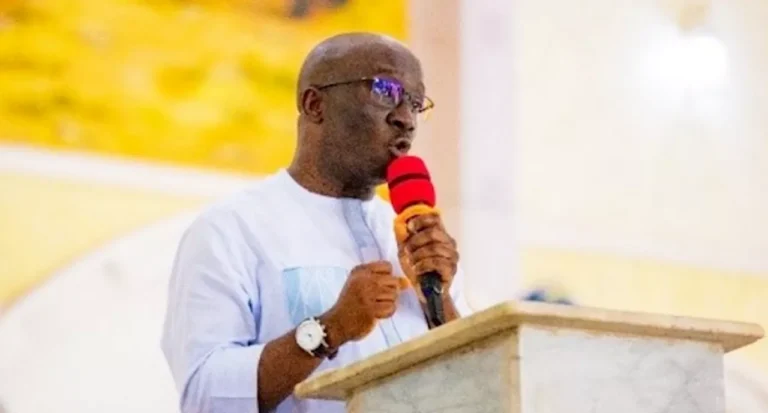
Hmmmmm! I will rather talk about today but trust me, for anyone committed to good governance, political career development isn’t a bad idea. However, I cannot be a part of the wrongs. My visibility in Nigeria is fast growing as the Founder of Diaspora Women for Good Governance. On a site visit to Aba, Abia State, I commended and encouraged the Governor of Abia State, His Excellency , Governor Alex Otti over his glaring demonstration and understanding of good governance. The Diaspora Women for Good Governance will continue to foster rule of law and accountability. I celebrate women who are agents of positive change tomorrow.