Follow Us on Google
• Argues for governance grounded in vision, service, and accountability
• Calls for homegrown investments to drive development
From Juliana Taiwo-Obalonye, Abuja
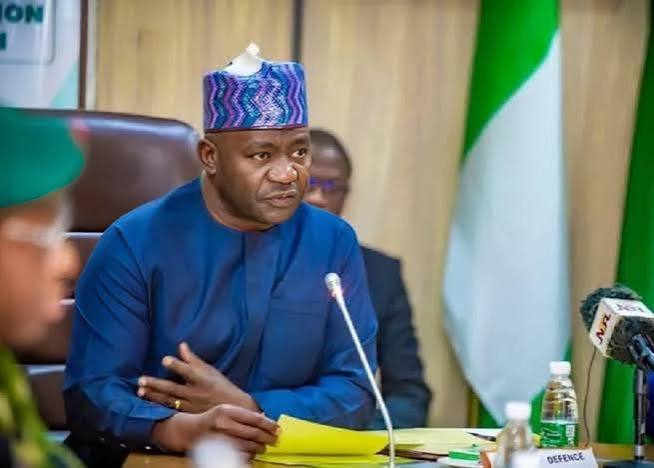
Minister of the Federal Capital Territory Nyesom Wike, on Thursday, urged Africa to move beyond transactional governance and mediocrity, warning that the continent’s underdevelopment persists despite its vast endowments.
He stated this while delivering his keynote at the 2025 Innovate Africa Conference in Abuja, titled “Reimagining Africa’s leadership and investment,” at the ECOWAS Conference.
He noted that Africa’s leadership has long been shaped by self-serving arrangements that do not align with national progress or people’s needs. He highlighted a pivotal moment: Africa is blessed with natural wealth, a dynamic youth, and creative potential, yet suffers weak institutions, decaying infrastructure, poverty, and unemployment. “This paradox defines our era,” he asked. “How can a continent so richly endowed remain so constrained?”
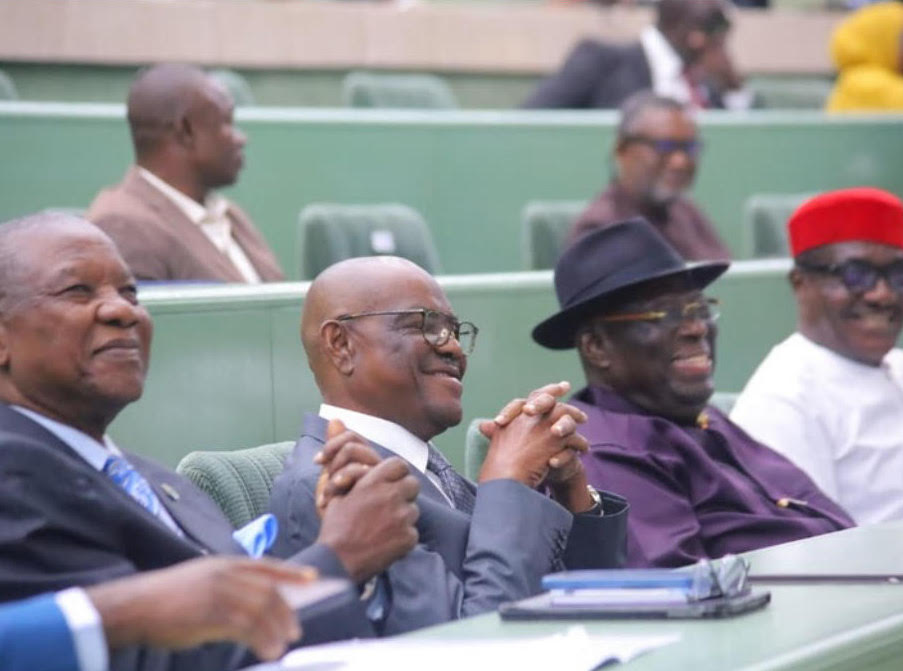
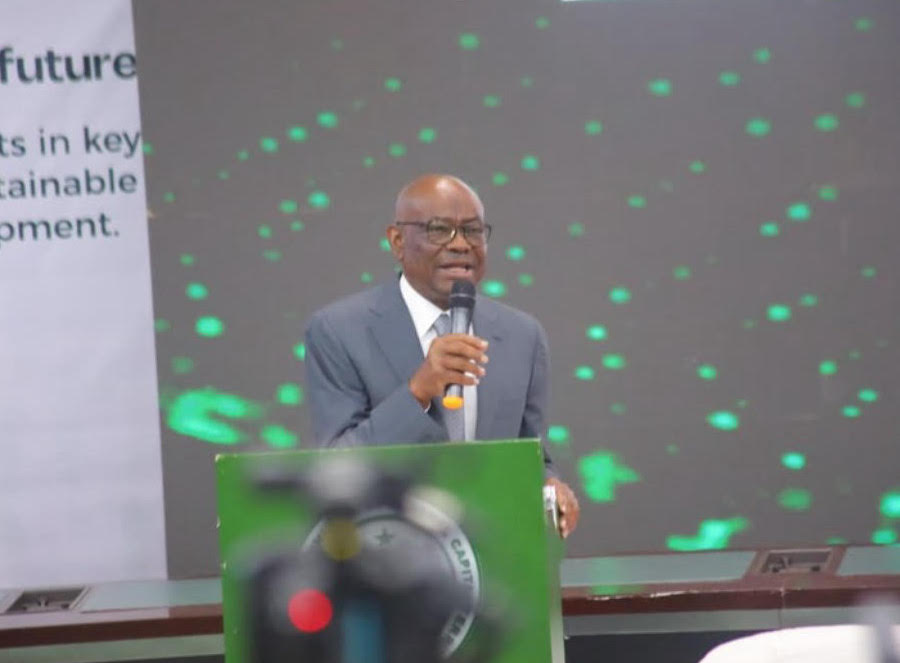
Honoured with the Innovate Africa Leadership Award 2025, Wike tied Africa’s fate to its leadership. He argued that visionary, accountable, and courageous leadership can turn obstacles into opportunities. He called for a shift from “transactional leadership,” driven by personal gain and short-term patronage, to transformational governance that empowers citizens and builds durable institutions.
“The moment has come to transcend transactional leadership and embrace governance that serves rather than rules, and that builds rather than blames,” he stated. Wike lamented that many post-independence leaders were ill-prepared for Africa’s magnitude of challenges, leaving development fundamentals—reliable infrastructure, quality primary healthcare, credible institutions, and functional economies—under siege for decades.
According to the Minister, Africa needs servant-leadership. Emphasising servant-leadership, he urged leaders to embody empathy, humility, and collective responsibility. “Africa requires mentors who inspire, not bosses who command. Leadership is about trust, service, and shared purpose—not power or position,” he said.
Wike pointed to Abuja’s ongoing renewal as evidence that with political will, ambitious plans can become tangible outcomes. “In Abuja, coordinated investments and accountability have redefined the city, turning once-impaired roads into connective arteries and neglected spaces into hubs of enterprise,” he observed.
Other News
Wike lauded President Tinubu for pursuing reforms with courage, notably the subsidy removal that many previous administrations avoided. He argued that decentralising governance, expanding regional development structures, and strengthening security institutions lay the groundwork for broader national change. “Tinubu faced Nigeria’s toughest challenge with uncommon resolve, and the early dividends—revenue gains and economic stability—underline reform’s potential,” he said.
**Toward economic independence**
The FCT Minister stressed that Africa must end its cycle of reliance on foreign aid, insisting that development cannot be gifted from outside but must be built from within. He warned that continued external dependence weakens resolve and stifles initiative. He urged investments that are productive, inclusive, and locally driven, reminding audiences that Africa’s real asset lies in its people.
“Seventy percent of Africa’s population is under 30. This is not just a statistic; it is a mobilising force. By prioritising education, innovation, and entrepreneurship, we can unlock a demographic dividend of historic proportions,” he asserted.
Wike reiterated that durable development hinges on infrastructure—roads, reliable power, and digital connectivity—arguing they are the lifeblood of sustainable growth.
Highlighting the African Continental Free Trade Area (AfCFTA), he described it as Africa’s second liberation—the emancipation of its economy. “AfCFTA is more than a trade deal; it marks Africa’s shift from commodity supplier to producer of value-added goods and services,” he said. It is, in his view, a cornerstone of shared prosperity.
In closing, Wike urged swift, decisive action. “Africa’s future will not be handed to us; we must build it collectively. History will remember not what we imagined, but what we did for Africa,” he proclaimed. “Let us lead differently, invest boldly, and embrace the boundless potential of our continent. The moment is now, and the responsibility rests with us.”