Follow Us on Google

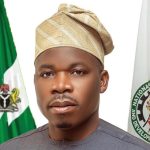
Nigeria’s persistent electricity supply challenges are largely linked to decades of infrastructure deterioration, poor project planning and investments that failed to address critical gaps in the power network, Minister of Power Joseph Tegbe has said.
Tegbe explained that the country’s infrastructure problems were more extensive than initially anticipated, making it difficult to achieve significant improvements in electricity delivery within a short period.
Speaking during an interview on ARISE News on Monday, the minister said the challenges confronting the sector went beyond electricity generation, pointing instead to weaknesses across the infrastructure needed to transmit and distribute power.
“The bulk of the challenges is not in generation.
“I’ll tell you that, look, infrastructure decay is enormous. These things have happened over 50 years. Don’t expect us to fix it in two years,” he said.
He also criticised the approach adopted by previous administrations, arguing that investments were sometimes directed towards projects without proper consideration of their importance to the wider electricity network.
“From a technical point of view, I will tell you the biggest issue is that we’ve been throwing money at the wrong things. We have not worked prioritising things in the past.
“Some of the decisions that have been made by previous governments have been driven by political reasons,” Tegbe said.
The minister disclosed that his ministry was reviewing existing electricity projects to determine which ones should receive priority funding, particularly those capable of improving power delivery to consumers.
He said the exercise would involve examining how projects connect with one another and identifying investments that could produce practical benefits for Nigerians.
Tegbe added that outstanding debts owed to power generation companies were another major challenge affecting the sector.
According to him, the Federal Government had negotiated the debt burden down from ₦6 trillion to ₦3.3 trillion, while ₦1.23 trillion had already been paid.
He said the government was exploring different arrangements to settle the remaining obligations, expressing confidence that the outstanding amount would be cleared by 2027.
The minister maintained that addressing infrastructure deficiencies, improving investment priorities and resolving financial obligations were necessary steps towards delivering better electricity supply.