Follow Us on Google
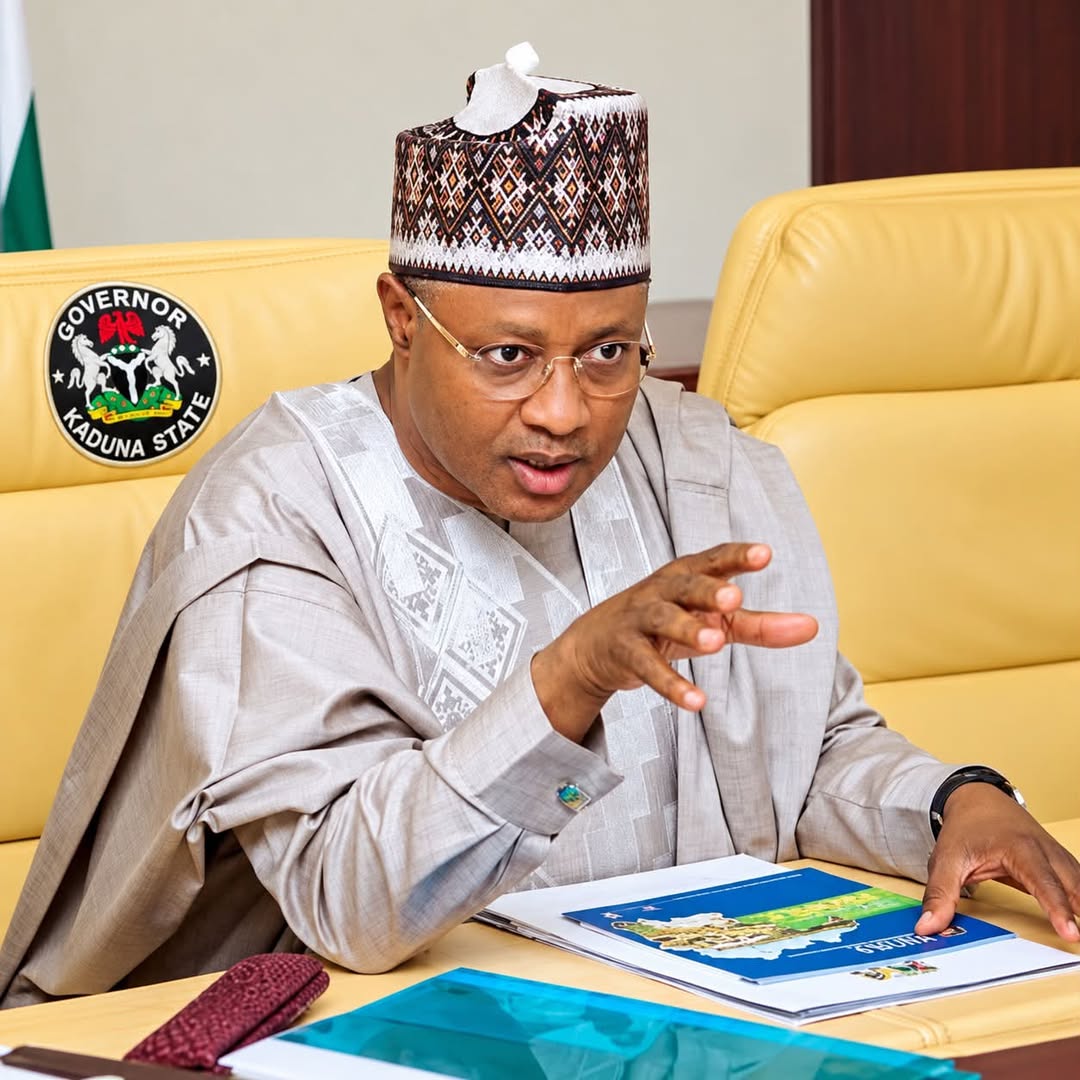
The Kaduna State Government has said its ongoing investment in basic education is driven by the need to rebuild the foundation on which the future of the state depends, with attention shifting from merely providing school infrastructure to improving the quality of learning and equipping children with skills for the future.
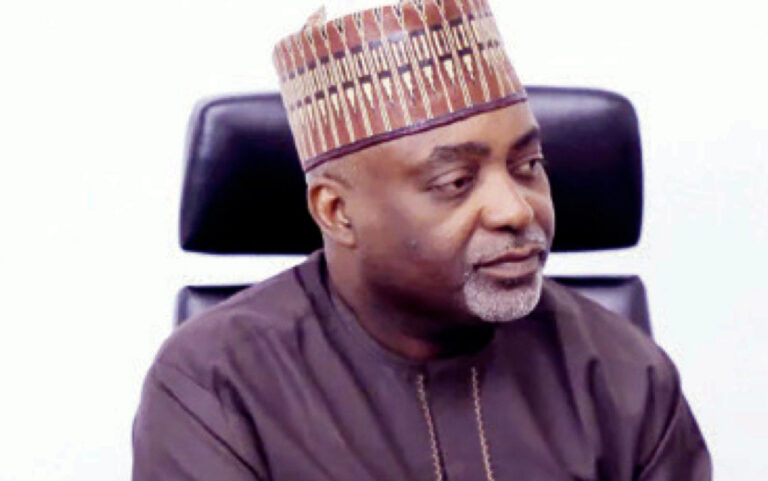
Governor Uba Sani stated this on Monday while commissioning basic education infrastructure and other educational interventions across the state at Sultan Bello Primary School, Unguwan Sarki, Kaduna.
Some of the projects being commissioned were supported by the Islamic Development Bank through UNICEF under the Reaching Out-of-School Children (ROOSC) Project.
Represented by his deputy, Dr Hadiza Sabuwa Balarabe, the governor said the administration’s approach is based on the understanding that the quality of education given to children ultimately determines the quality of society produced.
“Every society is shaped by the quality of education it gives its children.
“The classroom where a child learns today may well be the place where tomorrow’s doctor, teacher, engineer, entrepreneur, or leader begins to discover his or her potential,” Balarabe said.
She said the decision to prioritise basic education was informed by the need to strengthen the foundation upon which children’s future learning and development would be built.
“Primary education is where the foundations are laid. It is where a child learns to read, write, count, reason, and relate with others.
“It is also where discipline, curiosity, and confidence begin to take shape. If the foundation is weak, the structures of learning become fragile,” she said.
Balarabe said the government’s interventions therefore went beyond constructing and rehabilitating classrooms, stressing that a functional education system must provide the environment, teachers, learning materials and practical opportunities required for children to thrive.
She listed the interventions to include classrooms, toilets, water facilities, science laboratories, computer centres, furniture and teaching and learning materials, as well as facilities designed to expose pupils to science, technology and innovation.
Other News
The Deputy Governor said the administration was also concerned about children who remained outside the formal education system, noting that facilities being developed through partnerships with the Universal Basic Education Commission and the Islamic Development Bank were intended, among other things, to increase access for out-of-school children.
“Our responsibility is not simply to improve schools for children who are already enrolled; it is also to bring more children into the education system.
“Every child kept in school today is a child given a better chance to move,” she said.
Commissioner for Education, Prof Abubakar Sani Bello, said the interventions represented the translation of the administration’s policy direction into tangible improvements in schools.
He said government policy would remain an aspiration unless it was reflected in “a classroom a child sits in, a borehole a school can access water from, and a laboratory a pupil can understand practical concepts in.”
Chairman of the Kaduna State Universal Basic Education Board, Malam Mubarak Muhammad, similarly said the ultimate test of the interventions should not be the number of projects completed but their impact on children’s learning.
He said the state had begun strengthening foundational learning through the Teaching at the Right Level approach, while quality assurance mechanisms were being enhanced to enable officials to monitor what was happening inside classrooms.
Muhammad said the interventions were deliberately spread across the state’s urban, rural and hard-to-reach communities, stressing that children should not be considered less deserving because of where they lived.
An old student of Sultan Bello Primary School, Sheikh Abubakar Mahmud Gumi, who graduated from the school in 1969, commended the government for upgrading the school and other primary schools across Kaduna State.
Gumi, who recalled the much more limited facilities available during his time as a pupil, urged the government to complement the modern facilities with solar power so that pupils could fully utilise the smart boards and other digital learning equipment.
He described a good foundation in education as essential to building a stronger society.