Follow Us on Google
…Says “Nigeria Cannot Be Frozen in the Arguments of 2023”
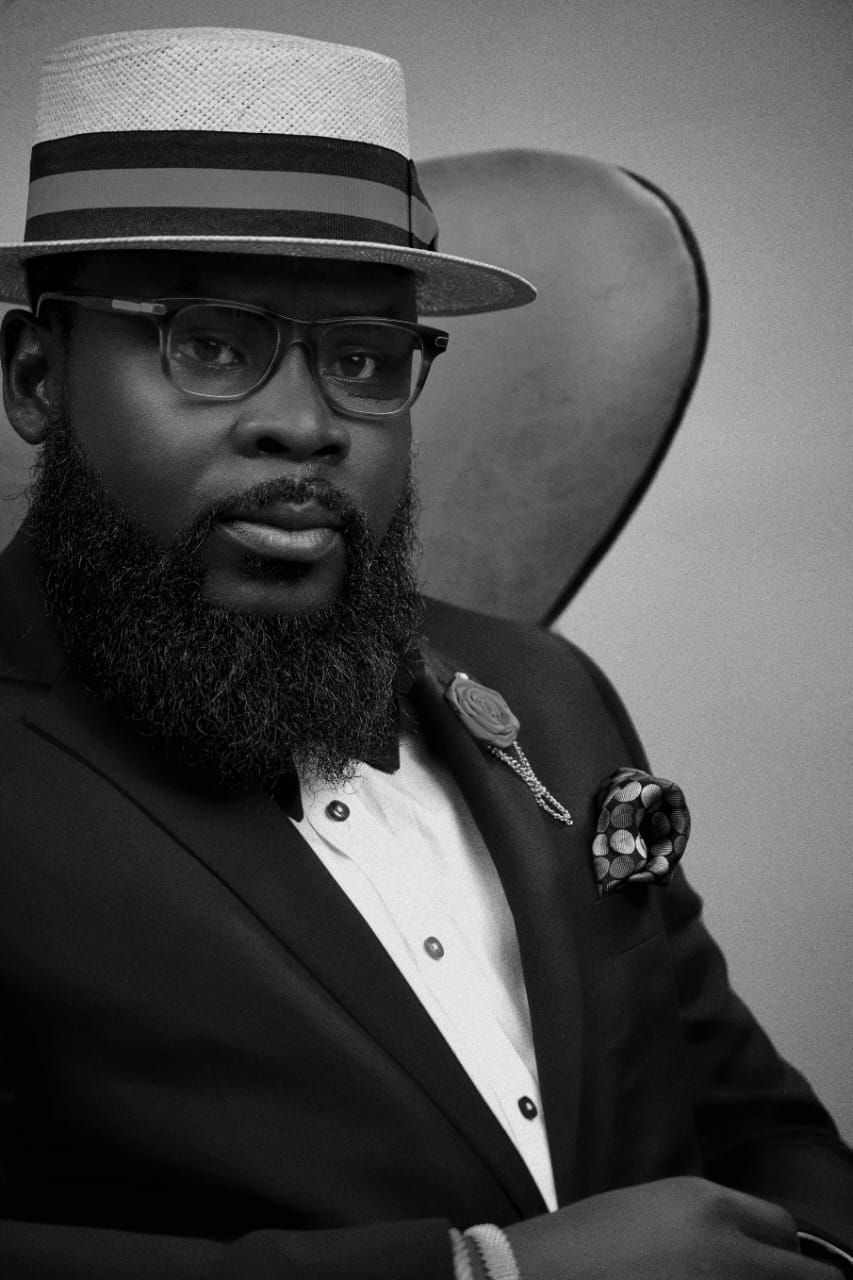
Nigerian entrepreneur and civic advocate, Akin Olaoye, has publicly declared his support for President Bola Ahmed Tinubu and the administration’s Renewed Hope agenda, marking a significant shift from his political position during the 2023 general elections.
He made the declaration via his social media X handle following a recent visit by businessman Femi Otedola, Chairman of First Bank, to President Bola Tinubu in Paris, where Otedola praised the President’s economic reform agenda.
Olaoye, an outspoken critic of the All Progressives Congress (APC) in the build-up to the 2023 elections who actively supported the opposition, said his decision was based on his assessment of developments in the country over the past three years.
“In 2023, I was a critic. I distrusted the APC like many in my generation,” Olaoye said. “I was disillusioned, and my conviction then was clear: the opposition offered the better path. I acted on it. I organized, I spoke, and I put my own resources behind that belief.”
He said, however, that three years of observing the direction of the Tinubu administration had caused him to reconsider that position.
“Three years later, I have changed my position. Not because it is convenient. Not because I was paid. I have changed because the reforms, the vision, and the leadership President Bola Ahmed Tinubu has shown have moved the country in a direction I can no longer honestly deny,” he said.
Olaoye specifically pointed to the administration’s economic reforms, including changes to the petrol subsidy regime and foreign-exchange market, as difficult decisions that he believes are beginning to address longstanding structural problems in the Nigerian economy.
The reforms have attracted both domestic criticism over their impact on living costs and recognition from international institutions for addressing longstanding macroeconomic distortions. The International Monetary Fund said in its June 2026 assessment that reforms undertaken since 2023 had strengthened macroeconomic stability, reduced fiscal vulnerabilities, rebuilt external buffers, and improved the functioningforeign-exchange market. The IMF nevertheless noted that conditions remained difficult for many Nigerians.
The World Bank had similarly described the petrol subsidy and foreign-exchange reforms as important steps towards restoring macroeconomic stability while stressing the need for social protection to cushion vulnerable households from their immediate effects
For Olaoye, acknowledging those difficulties does not diminish what he sees as the importance of confronting problems successive administrations struggled to resolve.
“Fuel subsidy removal was painful. FX unification was painful. Nigerians have carried a significant burden through this transition,” he said. “But I believe the architecture of a functioning economy is being rebuilt in public, with determination. Leadership sometimes requires decisions whose benefits are not immediately visible.”
Olaoye acknowledged that his political repositioning would inevitably attract criticism, particularly given the strength of his previous opposition to the APC.
“Some will be upset to see me pivot. Others will cheer. I understand. But loyalty to a 2023 posture is easier than responding to what you believe the evidence before you now shows. I choose the latter,” he said.
“Nigeria can not be frozen in the arguments of 2023 while 2027 and the future demand new decisions.”
He maintained that his new position does not diminish the importance of a strong opposition or the right of Nigerians to disagree with the government.
“I respect those who still stand with the opposition. I admire their persistence and the constituencies they speak for. Democracy needs that contest, and I will continue to advocate for it,” Olaoye said.
“My position is simply that I no longer believe their current path represents the direction I want to support for Nigeria at this time.”
According to him, his support for the Tinubu administration is anchored particularly on what he described as fiscal realism, infrastructure ambition, and a willingness to make politically difficult economic decisions.
Olaoye also emphasised that his political engagement predates his latest position and should be viewed within his broader commitment to active citizenship.
“I have always practiced active citizenship. I have supported candidates with my time, my voice, and my resources for free. I believe citizenship is more than complaining about the country; it also means participating in the process of building the country you want to see.”
He said he intends to bring the same level of energy to his political engagement ahead of the 2027 elections.
“That same energy and vigour will be deployed ahead of 2027 — not as a convert seeking applause, but as a Nigerian who has watched the data, lived through the pain and reached the conclusion that the country must keep moving.”
Olaoye concluded that changing a political position in response to changing circumstances should not automatically be interpreted as inconsistency.
“There is nothing democratic about insisting that a citizen must remain permanently imprisoned by a political decision he made in 2023. Democracy also means the freedom to reassess, question, change, and make a different choice based on what you see today.
“My position today is clear: Nigeria must move forward.