Follow Us on Google

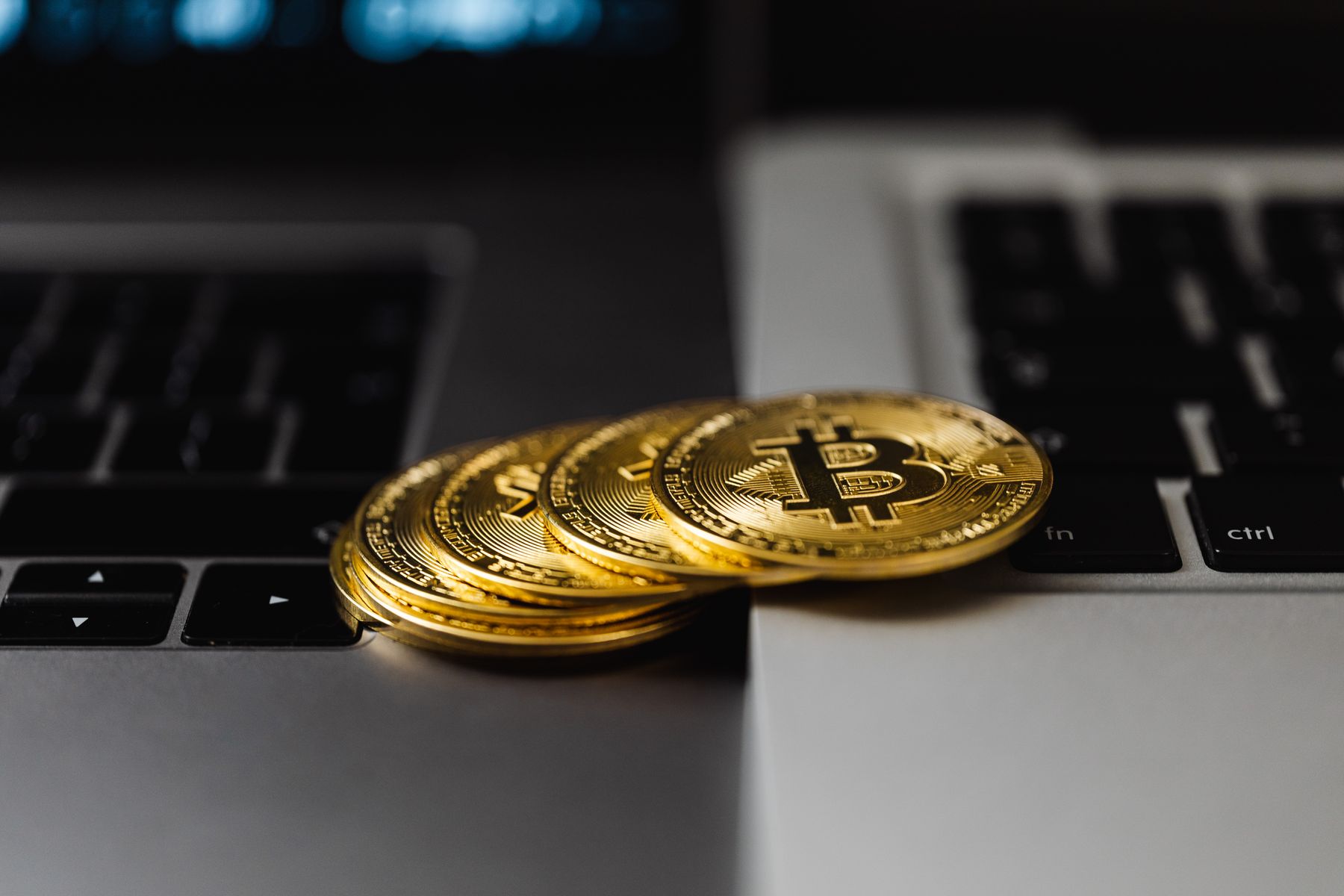
Africa’s cryptocurrency market has become more connected across borders, and the latest figures show how quickly those connections are developing. In October 2026, blockchain analytics company Chainalysis reported that the number of active crypto payment corridors within sub-Saharan Africa had risen from 80 to 152 in a year. The value of transactions between these markets more than tripled to $116.5 million. Across the region, cryptocurrency activity reached $101 billion during the 12 months ending June 2026, representing growth of 13.4%. These transactions involve different currencies and financial systems, which raises an important question for anyone buying or transferring Bitcoin. How do you establish the value of an international asset when the money used to purchase it differs from one market to another? The answer begins with its dollar price.
One International Price Across Different Currencies
Bitcoin trades through an international market where the US dollar remains a widely recognised reference. Binance provides a Bitcoin price USD quotation showing the asset’s current market value alongside its trading history. That allows users across Africa to examine the same international benchmark before converting it into their preferred currency. Someone considering a purchase can establish whether the asset itself has gained value during the day. The local amount required for that purchase introduces another calculation, because exchange rates influence what customers pay.
Currency movements can alter the value displayed on a local trading platform even when Bitcoin’s dollar quotation remains unchanged. Suppose the dollar strengthens against a particular African currency. The domestic cost of purchasing Bitcoin could increase without any corresponding movement in the cryptocurrency market. The reverse applies when that currency gains value against the dollar. Separating these movements helps traders understand their results. You can compare the international quotation with your local exchange rate before deciding whether a price change reflects Bitcoin’s performance or conditions in the currency market.
Africa Already Has an Extensive Digital Payments Economy
The growth of cryptocurrency comes alongside a much larger transformation in financial services. The World Bank’s Global Findex 2025 report found that 58% of adults in sub-Saharan Africa held a financial account in 2024, compared with 49% in 2021. Mobile money contributed to that expansion, giving consumers access to transfers and savings through their phones. The research also found that formal saving had reached 35% of adults across the region. These findings describe an established digital financial culture rather than one dependent on cryptocurrency adoption.
The GSMA’s latest research offers another indication of the activity involved. Mobile money services in sub-Saharan Africa processed approximately $1.4 trillion during 2025, accounting for a substantial majority of global transaction value. The organisation recorded more than $2 trillion in worldwide mobile money transactions. These systems have become important for household payments and commercial transfers. Bitcoin serves a different purpose because customers acquire an asset whose value changes through international trading. A mobile wallet transfer normally begins with an agreed monetary amount, while a cryptocurrency transaction also requires an assessment of the asset’s current price.
Cross-Border Transfers Make the Dollar Reference Valuable
International payments introduce further complications. According to the World Bank’s Remittance Prices Worldwide research, sending money to sub-Saharan Africa remains more expensive than transfers to other major regions. Its figures place the average cost of sending $200 at approximately 7.9%. Those charges can include foreign exchange margins as well as transfer fees. For households receiving money from relatives abroad, the amount arriving in a local account is more important than the original sum sent. The same reasoning applies when cryptocurrency enters the transaction.
Chainalysis found that cryptocurrency remittances entering sub-Saharan Africa from Western countries reached $888 million during its latest reporting period. That represented annual growth of 36%, while the number of transfers increased 43% to more than one million. These figures cover several digital assets rather than Bitcoin alone. They nevertheless demonstrate why international pricing deserves attention. A person receiving cryptocurrency needs to distinguish its quoted dollar value from the amount available after conversion. Exchange fees and network charges can affect the result. Comparing those costs with conventional remittance services provides a more complete financial assessment.
African Trade Is Developing New Payment Connections
Businesses face comparable difficulties when settling invoices across national borders. AfricaNenda’s 2025 report identified 33 domestic instant payment systems operating across 25 African countries. Five new systems launched between July 2024 and June 2025, reflecting continued investment in financial infrastructure. These developments help businesses move money through regulated channels while reducing dependence on slower payment arrangements. They also demonstrate that the continent’s financial development extends well beyond cryptocurrency. Digital payment providers and central banks continue expanding services designed around everydaycommercial needs.
The Pan-African Payment and Settlement System offers another approach. Developed by Afreximbank in collaboration with the African Continental Free Trade Area Secretariat, PAPSS enables participating institutions to process cross-border transactions in local currencies. Its system aims to complete payments within 120 seconds. Businesses can therefore settle certain transactions without arranging separate dollar transfers through overseas banks. Bitcoin operates through a different financial mechanism, but its dollar valuation provides a common reference for international transactions. The distinction helps explain why African payment innovation can reduce reliance on dollars for settlement while international asset prices continue using them for comparison.