Follow Us on Google

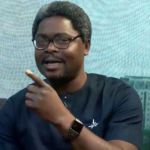
Yusuf Ali is a grassroots politician and chieftain of the APC in Kaduna State. In this interview with NOAH EBIJE in Kaduna, Ali said removal of fuel subsidy by President Muhammadu Buhari government was in order because other infrastructures were suffering over payment of trillions of naira for subsidy.
The APC chieftain noted that, “From available information, between 2006 and 2019, fuel subsidy cost the government over N10trillion. In other words, funds that were supposed to go into the development of infrastructure and provision of social services like health, education, water, sanitation, maternal health, etc ended up in the consumption of fuel. Therefore, we were only living in a fool’s paradise because such economic model is unsustainable”. He said 2023 presidential election should not be tied to geography of faith through zoning or power rotation but the best candidate should be allowed to emerge from any part of the country in free and fair primary contests.
Two big issues currently on the national burner are the hike in electricity tariff and fuel pump price, which many Nigerians have kicked against. What is your view on this?
First, let me say that people for whatever reason failed to take notice that the so-called petrol subsidy regime was terminated by the Petroleum Products Pricing Regulatory Agency (PPPRA) in March this year and the GMD of the NNPC, Mr. Melee Kyari made it abundantly clear to Nigerians that the government would not subsidize fuel again. But people didn’t follow the conversation then because the coronavirus pandemic crashed economies of nations due to the crash of crude oil price. If you can remember the price of fuel then dropped from 145 to 125 Naira per litre, and then to between 121.50 and 123.50 Naira per litre in May. The drop in price of fuel then was as a result of the crash in the prices of crude. We enjoyed the drop in price then forgetting that when the prices of crude eventually go up, the price of petrol will also jerk up.
As a nation that unfortunately relies on imported fuel, our local prices are tied to the volatility of the international market prices, so it should not be surprising when the prices of crude go up they have direct impact on the economy of Nigeria that relies on fuel to power the economy. From available information, between 2006 and 2019, fuel subsidy cost the government over N10trillion. In other words, funds that were supposed to go into the development of infrastructure and provision of social services like health, education, water, sanitation, maternal health, etc ended up in the consumption of fuel. Therefore, we were only living in a fool’s paradise because such economic model is unsustainable. We managed fuel subsidy, which bred corruption and stifled growth in other sectors until the chicken came home to roost with the advent of the global coronavirus pandemic, which grounded the nation’s source of foreign exchange since nobody wanted to buy our crude or any other crude oil for that matter. The whole world was fighting COVID-19. Therefore government has to look inward and be realistic about this in order to be able to run the economy and provide services and security.
The only solution is to take away the fuel subsidy and free funds to go into health, education, infrastructure, etc. Yes, it’s painful in the short run but eventually because Nigeria is a producer of crude we will end up buying cheaper fuel when we build our refining capacity. Nigeria is not only aiming at self-sufficiency in fuel production but it aims to be a next exporter of refined product by 2022. This will happen through the combined capacity of 375,000 barrels per day from about 27 modular refineries, 650,000 barrels from the Dangote refinery when it comes on board and the 450,000 barrels from the three government refineries, which are being planned for refurbishment through private investors. The Turn Around Maintenance will no longer serve as conduit for corruption because private investors will invest their funds in the maintenance and operations of the three government refineries.
Refining local product is a reality in this country with the enabling environment created by this administration. In fact, a modular refinery in Ibigwe, Imo State, Waltersmith Refinery, will start loading trucks of products by the middle of October this year. Dangote refinery is primed to come on stream. Therefore in the next couple of years, we will be talking about exporting fuel because of our local refining capacity, which will grow and fuel price will automatically crash. The economy that will revolve around crude oil is not only about fuel but value addition and employment generation. We can get about nine different petrol products if we refine our fuel here and from analysis of experts, refining of 1,000 barrels of crude per day can generate 10 employment so you can do the maths and see the jobs that will be created. Petro-chemical hubs, fertilizer plants will develop in this country and the industry can really add to the growth of our Gross Domestic Product. So I will urge us to be patient and have faith in the president and the system and in the nearest future fuel in Nigeria may even become the cheapest on the continent. On the electricity tariff, what we are experiencing in terms of price increase also has to do with the dwindling resources of government to also provide some kind of subsidy for the sector. You see, the electricity sector at least the distribution and generation companies had long been privatized. I think government is only holding some percentage in these private companies. In the past, government used to support these companies with funds so that they can maintain the low prices. In fact the government spent over N1.5trillion, on supplementing tariffs shortfalls but the government now lost about 60% of its earnings due to Coronavirus and cut in oil production by the ceiling of OPEC. We have to make these sacrifices in order to run the economy and provide the basic things of life. Government cannot borrow money to subsidize private companies but still there are measures put in place to cushion the effect of the tariff hike. Under the new tariff regime, only consumers with guaranteed minimum of 12 hours of electricity will have their tariff jerked up. Those who enjoy lesser hours of power are free.
Coalition of Northern Groups has vowed to stage a peaceful protest against these hikes in electricity and fuel pump price if President Buhari refuses to reverse them. What is your take on that?
We have to address this through consultation and regular engagement to enable the people to appreciate and understand the position of government. This is where the role of the National Orientation Agency becomes very critical to enlighten the public. No government will deliberately set out to punish the citizens who overwhelmingly voted it into power. We have to break eggs before we make omelet. This is a passing phase and if we can endure it collectively then we will be on the path to greatness and sustainable development. When a flight encounters turbulence, the crew and the passengers should not be fighting but they should understand each other and pray for safe landing.
The Northern Elders Forum (NEF) recently rejected the proposed 4th amendment of the 1999 constitution by the NASS. Do you agree with them?
The National Assembly members are elected representatives of the people and no such exercise as important as constitutional amendment can happen without consultations and public hearing. So I will implore the NEF to allow the preponderance of public opinion to decide the next line of action. Mere statements or proclamations may not necessarily do the work but let’s allow the public to speak up their minds on this issue.
Insecurity is getting worse by the day with killings, kidnapping and banditry across the country. What is the way out?
The only way forward is the active involvement of all segments of the society. The government has the bigger role to play but as citizens, we also have our own share of responsibility. Investment in intelligence gathering, training, welfare, provision of modern equipment and logistics are keys to winning the war. Some of the criminals hide in the community. We have to expose them. There should be multilateral, regional and sub-regional collaboration to root out these cross-border criminals and the west in particular needs to support us with superior technology and weapons to fight these terrorists and criminal gangs. The west cannot encourage us to fight terrorism yet we cannot easily acquire weapons from them to fight terror. We need global support to end terrorism in the entire Sahel Region.
Former Minister of Agriculture and Chairman of Arewa Consultative Forum (ACF), Audu Ogbe has said that if zoning is dumped in the 2023 presidential election, Nigeria may die. Do you also entertain this fear?
It’s unfortunate that people who enjoyed this country at their youthful age as Ministers and so on are mentioning death of the country that gave them so much if certain things do not happen. Nigeria will not die simply because of power rotation. I will advocate that the best candidate should be propped up through a transparent democratic process to lead this country to greatness. We should not always tie geography to governance. That’s defeatist. We have the best human resources across all the geopolitical zones and I cannot for one be afraid to compete with anyone from any part of this country. All I will say is that let us have a free and fair primaries and general elections so that the most popular candidates can emerge and not necessarily about geography or faith.