Follow Us on Google
From Okwe Obi, Abuja
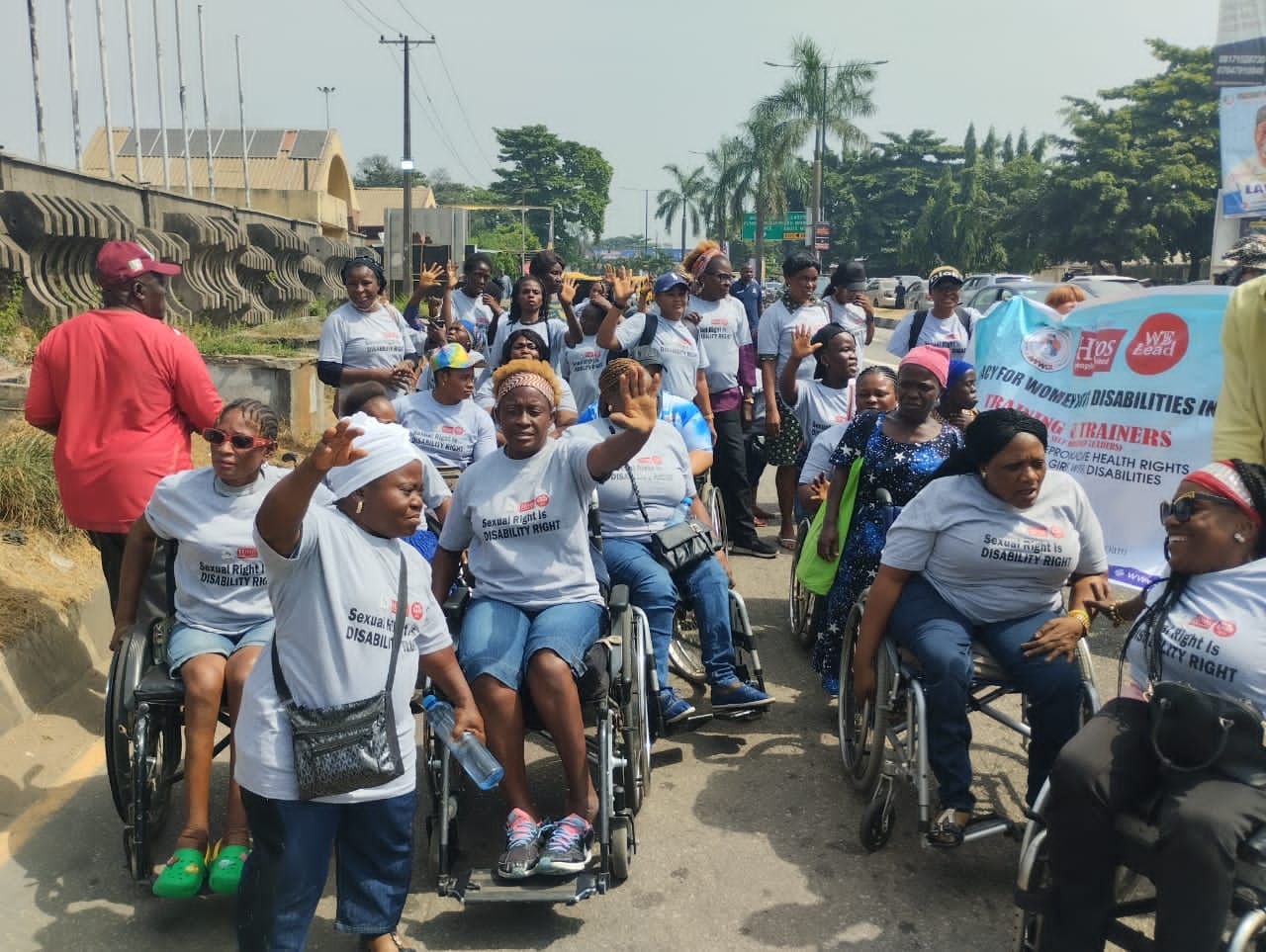
Persons with Disabilities (PWDs) have lamented the scale of discrimination against them, stating that they are sexually active.
They complained that their sexual, reproductive health rights and privileges are being questioned in hospitals, especially during pregnancy.
Executive Director of Voices of Disabilities (VDI), Catherine Edeh, who raised the alarm yesterday in Abuja on behalf of PWDs at a seminar on the National Strategy for Sexual and Reproductive Health and Rights of PWDs (2026-2030), decried that they continue to face barriers in accessing essential health, protection and support services in hospitals.
According to her, persons with disabilities must not only be seen as beneficiaries of programmes or public facilities, but as active participants in decisions, implementation and accountability processes that affect their lives
Edeh explained that the sexual reproductive health rights documents of PWDs is geared towards providing the integration of services into health insurance schemes, strengthening policy-based budgeting, promoting domestication of disability-friendly initiatives at subnational levels, reducing disability-related stigma, expanding accessible health promotion, strengthening disability awareness among health workers, and expanding the use of digital health platforms to reach hard-to-reach populations.
She added that the principle of “Nothing About Us Without Us” must remain central to collective efforts.
She stressed that the national strategy has gone through the necessary development processes and is now awaiting its official launch.
“Therefore, our gathering today is not about reviewing or validating the strategy rather, it is about creating awareness, deepening understanding and preparing stakeholders to take ownership of its implementation once it is launched.
“We want every stakeholder to have a clear understanding of three things: First, know it — We need to understand what the Strategy says, why it matters and what it seeks to achieve between 2026 and 2030.
“Second, own it—we need to recognize that implementation is a shared responsibility. Government has its responsibilities. OPDs and CSOs have their roles. Health institutions and professionals have their responsibilities.
“Development partners, communities/PWDs, the media and other stakeholders also have important contributions to make.
“Third, Act on it — Awareness alone will not improve access to SRHR services. The real test will be whether the Strategy translates into accessible services, appropriate information, responsive health workers, inclusive policies, adequate financing, reliable data and stronger accountability.
“The Strategy itself envisages roles for different levels of government, civil society, communities and other stakeholders.
“For example, it calls for stronger accountability mechanisms, improved disability-disaggregated SRHR data and participation of civil society in government-led accountability processes,” she added
To this end, the National Agency for the Prohibition of Trafficking in Persons (NAPTIP), National Human Rights Commission (NHRC) and the Voices of Disability (VDI), have joined forces to enforce the sexual, reproductive health rights and privileges of persons with disabilities (PWDs).
NAPTIP Director of Violence Against Persons Prohibition Department, Rebecca Aderonke Enwusoyele, pointed out that Nigeria has recorded unavoidable deaths of PWDs because of how they are treated in hospitals.
Enwusoyele pledged that NAPTIP would ensure that the vulnerable enjoy the same rights and privileges of reproductive health rights and confidentiality, as other Nigerians.
Represented by NAPTIP Principal Intelligence Officer, Rose Paul, she said: “This workshop is a timely one as persons with disabilities, particularly women and girls, continue to face barriers in accessing essential health, protection and support services.
“So there is need to ensure that SRHR policy and programmes are disability inclusive, because it is not only a matter of policy but also of dignity, equality and human rights.
“NAPTIP recognizes that addressing violence, exploitation and other forms of abuse against persons with disabilities requires strong collaboration among government institutions, civil society organizations, development partners and organizations of persons with disabilities.
“NAPTIP is committed to strengthening this type of partnership, particularly in the area of prevention, protection, referral, business support and access to justice.
“So NAPTIP commends Voice of Disability Initiative and Amplify Change UK for their commitment to these PAMOJA 2 projects and encourages all stakeholders to use this platform to exchange knowledge, identify practical solutions and strengthen coordinated action towards effective implementation of the revised SRHR policy.”
Also, NHRC Investigation Officer, Anthony Yikrebogha, assured PWDs of the commission’s readiness to enforce their rights.
“We are ready to partner with you and we also want to appreciate the sponsors of Amplify Change UK for delivering this project,” Yikrebogha said