Follow Us on Google

From Adanna Nnamani, Abuja
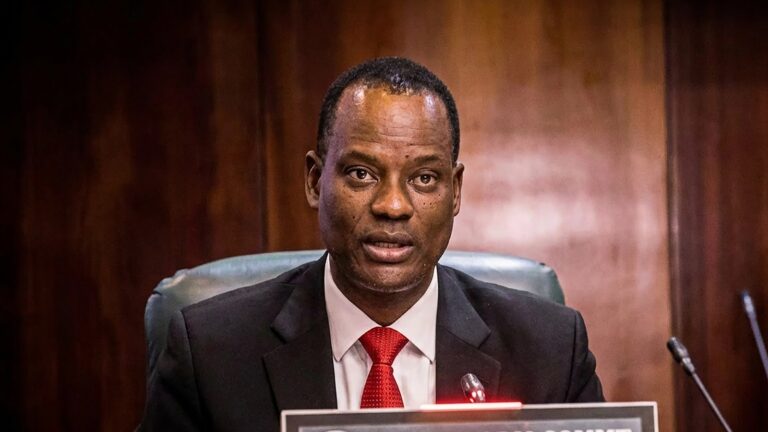
Trade Union Congress (TUC) has said it is monitoring the current fuel scarcity in the country and engaging with some stakeholders to enable it take emergency decision on a strike or protest.
The congress disclosed this during a press briefing in Abuja by TUC President, Quadri Olaleye, who said the congress’ national executive council (NEC) has mandated him to take an urgent decision on the matter, noting that the decision could either be a strike or protest.
“NEC took a decision and mandated the president and national members to take an urgent decision on strike or a protest. At the moment, we are watching, we are monitoring and doing some engagements for us to be able to take emergency decision and when labour takes an emergency decision, you know what it means, it is either strike or protest. So, we are not totally out of that. You can see that even what they are using to investigate the man-made problem is part of the funds meant for the Nigerian workers.”
Olaleye further revealed that the union had decided to play an active role in the 2023 general election by contesting for power for the good of Nigerians.
“The purpose of this meeting is to inform Nigerians and all genuine progressives that TUC having assessed our political trajectory as a country and the pains, occasioned by policies of government at various levels, abuse and neglect of the country’s human and natural resources, threatening unemployment, insecurity, almost N40 trillion debt, devaluation of the naira, subsidy brouhaha, has decided to play an active role in the 2023 general election.
“In a few days from now, the congress will be organising a ‘roundtable’ that would bring people of common interest and values together with the aim of articulating positions on how the organised labour in Nigeria can actively participate in the democratic process and provide solution to various perennial social-economic and political challenges in democratic governance,” he said.