Follow Us on Google
The much-awaited land transportation policy that will establish a regulated sector will finally be unveiled on Thursday, September 3, marking the conclusion of a two-decade inquest.
He said this became necessary as the Federal Government under President Bola Ahmed Tinubu’s administration targets a $1 trillion economy by 2030.
Recall that the administrations of former Presidents Goodluck Jonathan and Muhammadu Buhari, at different times during their tenure, attempted to give assent to the draft policy but failed due to identified grey areas.
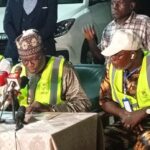
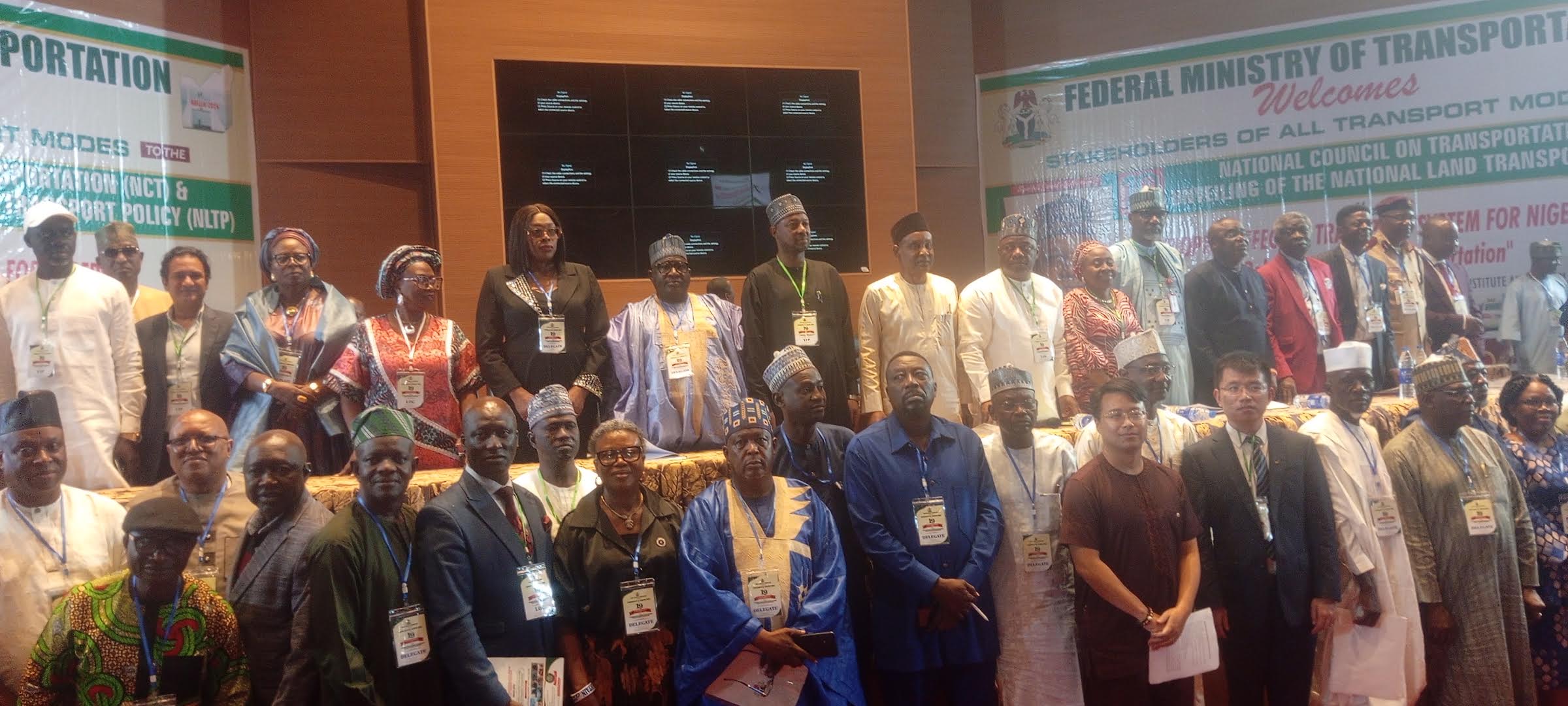
Speaking on day one of the ongoing 19th National Council on Transportation (NCT), the Permanent Secretary of the Ministry of Transportation and Chairman of the Council’s technical session, Engr. Olufunso Adebiyi, highlighted in an opening address that the land transport policy about to be unveiled will drive the four transportation sub-sectors—land, air, marine, and rail—since land coordinates all transportation systems.
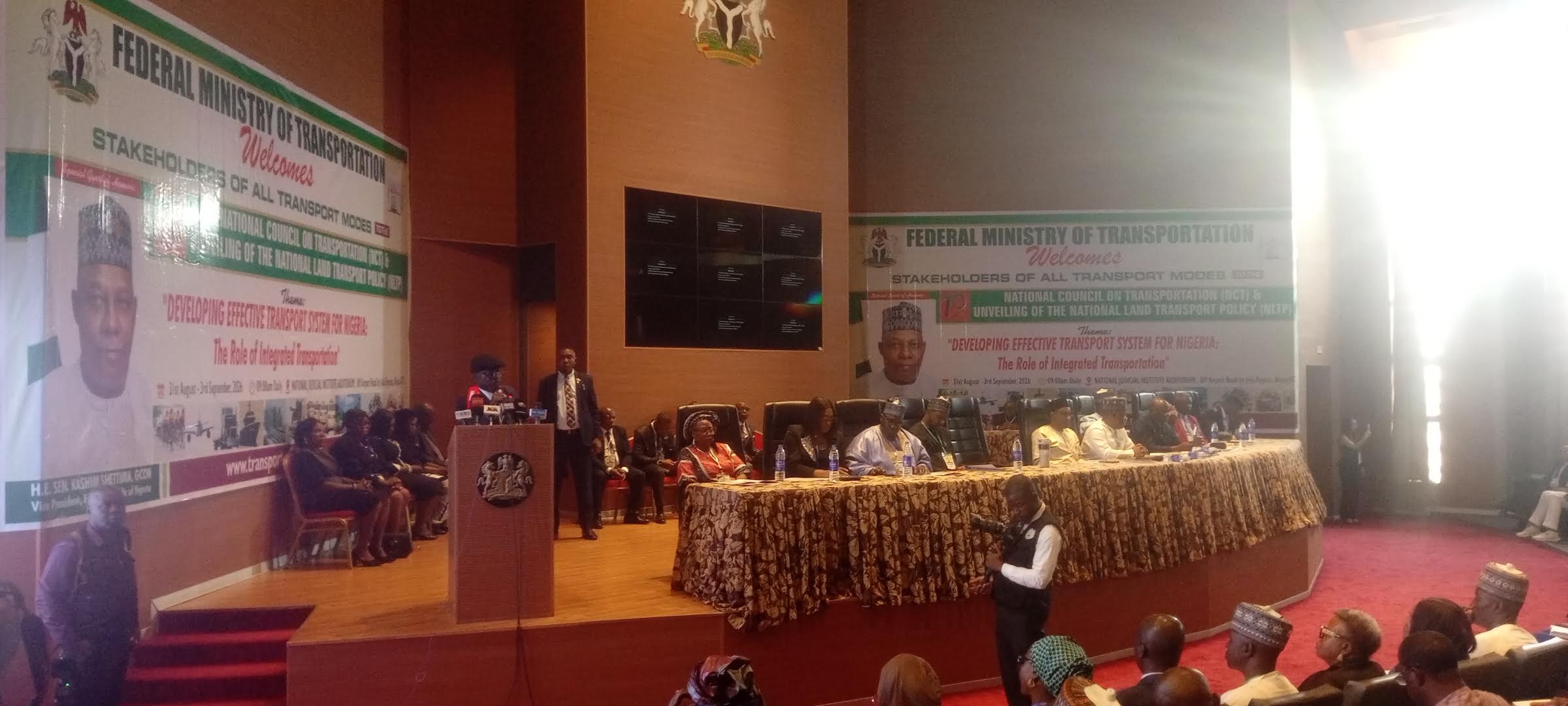
The Permanent Secretary further stated that the Federal Government under the Tinubu administration is ensuring that the mass transportation system is regulated to facilitate easy movement of people and goods across the country, aligning with the target of achieving a $1 trillion economy by 2030.
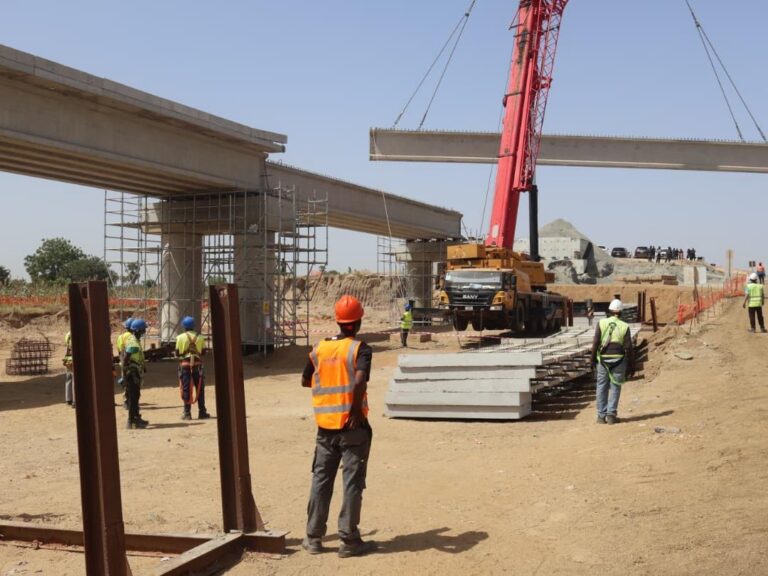
“Under the past and present administrations, there has been a lot of improvement in the sector that drives the economy. We have seen the cargo haulage from Apapa to the Ogun State inland dry port. This is a sure bet for traffic decongestion in and around Lagos. The Port Harcourt to Calabar corridor is presently completed; Kaduna to Zaria is also completed, while Kano to Daura and Maradi, with Kano-Maradi, has retained about 4,000 employees.
“It is also pertinent to note that the National Transport University, Daura, will graduate its first set of students next year, and this will bridge the gap in manpower within the sector. It is sufficient to professionalise the sector.”
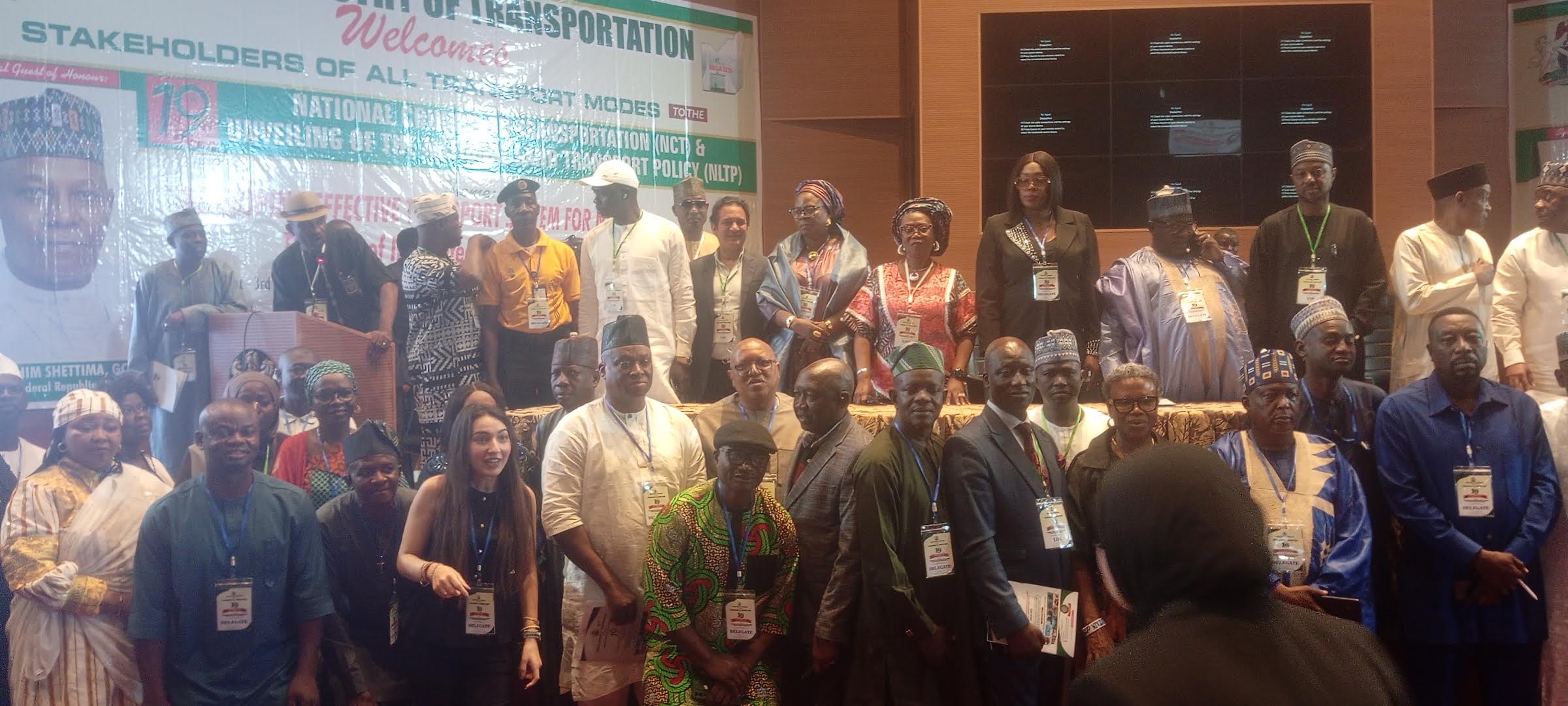
Meanwhile, the Permanent Secretary highlighted government efforts to develop high-speed rail to reduce interstate journey times across Nigeria with the help of private sector players. He noted that plans are underway for the country to establish a comprehensive data bank as part of sector regulations.
“We need to have records of road users across the country as a standard practice. We need to have records of drivers’ licences in Nigeria. Through this, it becomes easy to determine how many private and commercial vehicles are in Nigeria, as well as those owned by visitors from neighbouring countries. Nigeria will soon have standard business termini across the country with waiting and restrooms, security posts, among others.
Other News
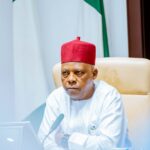
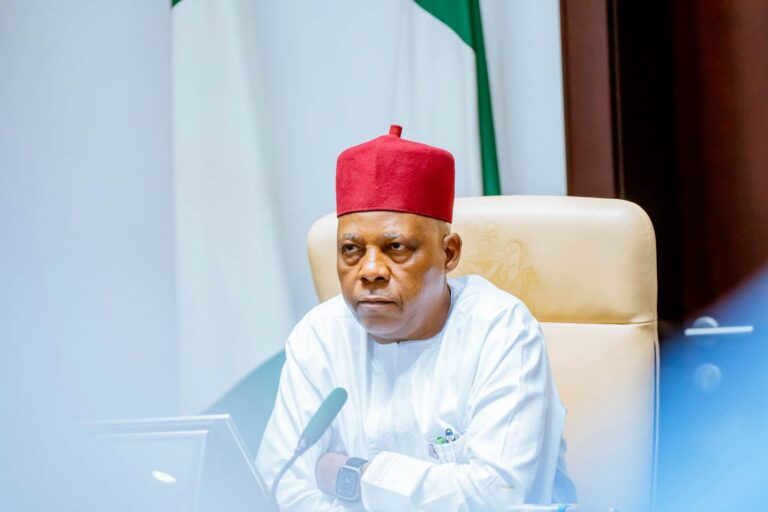
“The new transport policy will be unveiled by the Vice President, Kashim Shettima, on Thursday before the programme comes to an end,” Adebiyi added.
In welcoming participants, the Director of Planning and Coordination, Mrs Jane Orjinta, told delegates drawn from the 36 states of the federation that their presence demonstrated a shared commitment to transforming the national transport sector.
“This annual gathering, even though not convened in recent times, stands as our friendly platform for peer review. It is an opportunity to evaluate our progress, scrutinise our system, and adopt successful models that suit the nation’s landscape. We need to exchange ideas and realign our strategies; this way, our focus will be guided by the theme of finding an effective transport system in Nigeria.”
She noted that true economic growth demands a fully integrated intermodal transport system.
Delivering the keynote address, Engr. Dr. Emmanuel Oche proffered solutions aligned with the conference theme, “Developing Effective Transport System for Nigeria: The Role of Integrated Transportation,” asserting that an economically viable transportation system in Nigeria requires a functioning framework, beyond merely building roads and purchasing vehicles.
“Nigeria should focus on providing public transportation to bridge the gap in the need for transportation from point A to B. Government should therefore systematically take a huge number of vehicles off the road while ensuring a well-regulated public transportation system. We are recommending the deployment of BRTs, light rails, and metro rails in urban cities, supported by an automated system to drive operations.”
Dr. Oche posited that these are constitutionally backed ideas requiring the establishment of dedicated agencies to provide transport as a form of social security.