Follow Us on Google

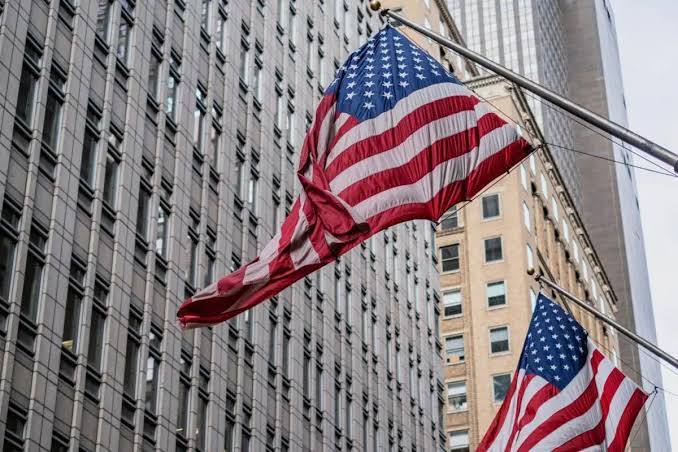
Nigeria remains under a United States travel advisory urging Americans to reconsider visits over insecurity and healthcare concerns, while 11 African countries carry Washington’s highest warning, “Do Not Travel”.
The US Department of State’s advisory on Nigeria, issued on June 12, 2026, retains the country at Level 3, but places several states and parts of others under the stricter Level 4 warning.
The department cited crime, terrorism, civil unrest, kidnapping and inconsistent access to healthcare, warning that security risks could prevent American officials from providing emergency assistance in many areas.
The 11 African countries under the nationwide Level 4 classification are Burkina Faso, Central African Republic, Chad, Democratic Republic of the Congo, Libya, Mali, Niger, Somalia, South Sudan, Sudan and Uganda. The advisories were issued or updated on different dates.
For Nigeria, the areas covered by the “Do Not Travel” warning include Borno, Jigawa, Kogi, Kwara, Niger, Plateau, Taraba, Yobe and northern Adamawa, where the department identified terrorism, crime and kidnapping risks.
Bauchi, Gombe, Kaduna, Kano, Katsina, Sokoto and Zamfara also feature, alongside Abia, Anambra, Bayelsa, Delta, Enugu, Imo and Rivers, with Port Harcourt excluded from the Rivers restriction.
Other News
Washington had issued similar warnings in July 2025, when Americans were advised against visiting 18 Nigerian states or designated parts of them, citing terrorism, kidnapping, violent crime and armed gangs.
That advisory also raised concerns about shortages of essential medicines, counterfeit drugs and limited emergency medical services, urging travellers to obtain insurance covering medical evacuation and take additional security precautions.
Earlier, in October 2022, the US warned of an elevated threat of terrorist attacks in Abuja and advised Americans to limit their movements.
On October 25, it authorised the departure of non-emergency government employees and their families from Abuja, followed on October 27 by an order requiring family members of US government employees to leave. Americans were also advised to consider departing through available commercial options.
Responding at the time, then president Muhammadu Buhari urged Nigerians to remain vigilant and avoid panic, saying the foreign travel warnings did not mean an attack on Abuja was imminent.
His administration said security measures had been strengthened around the Federal Capital Territory following the July 2022 Kuje prison attack, with intelligence agencies working to intercept threats.