Follow Us on Google
From Taiwo Oluwadare, Ibadan
Health and laboratory professionals have raised fresh concerns over the safety of sachet water production in Oke-Ogun, warning that weak regulatory oversight and poor welfare for laboratory workers are contributing to rising public health risks in the region.
The experts, drawn from research, testing, calibration, education, and manufacturing laboratories, said gaps in monitoring by key agencies have allowed unsafe practices to thrive, exposing communities in Iseyin and surrounding areas to waterborne diseases and other health hazards.
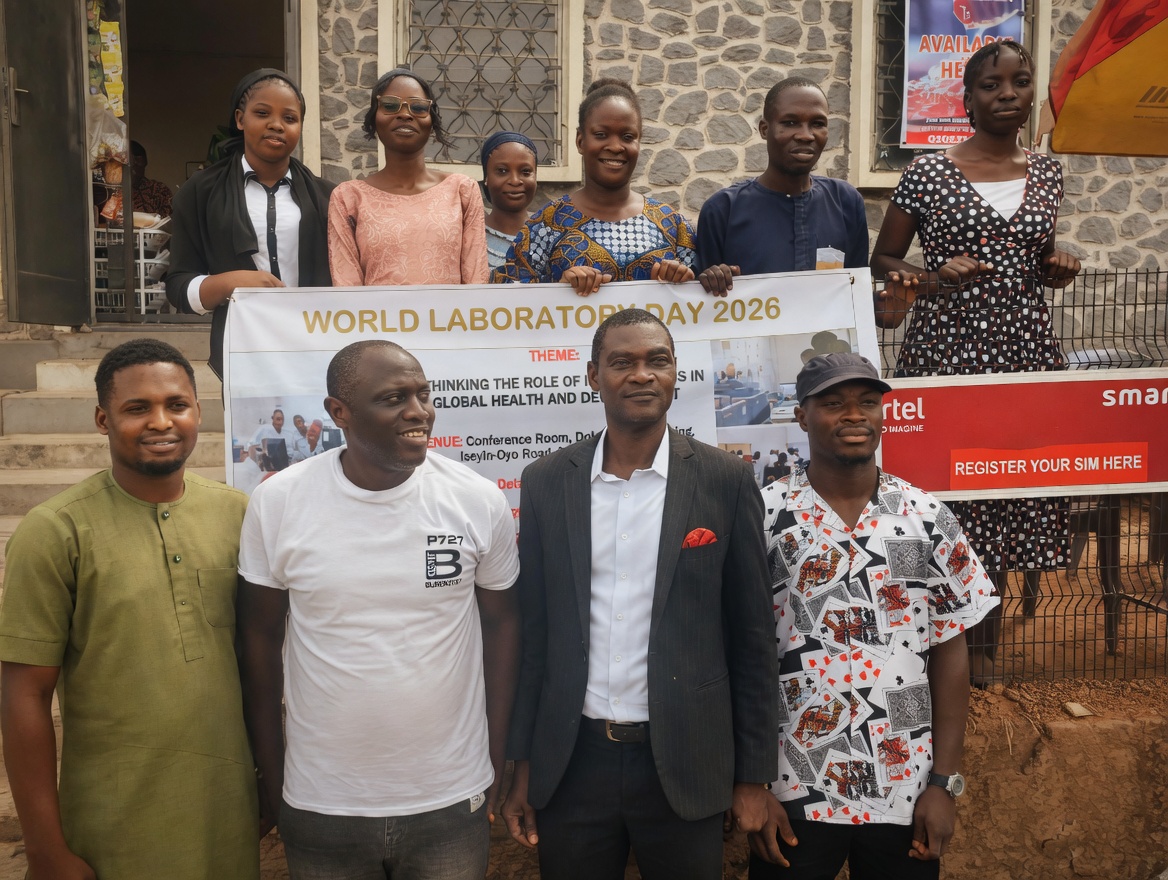
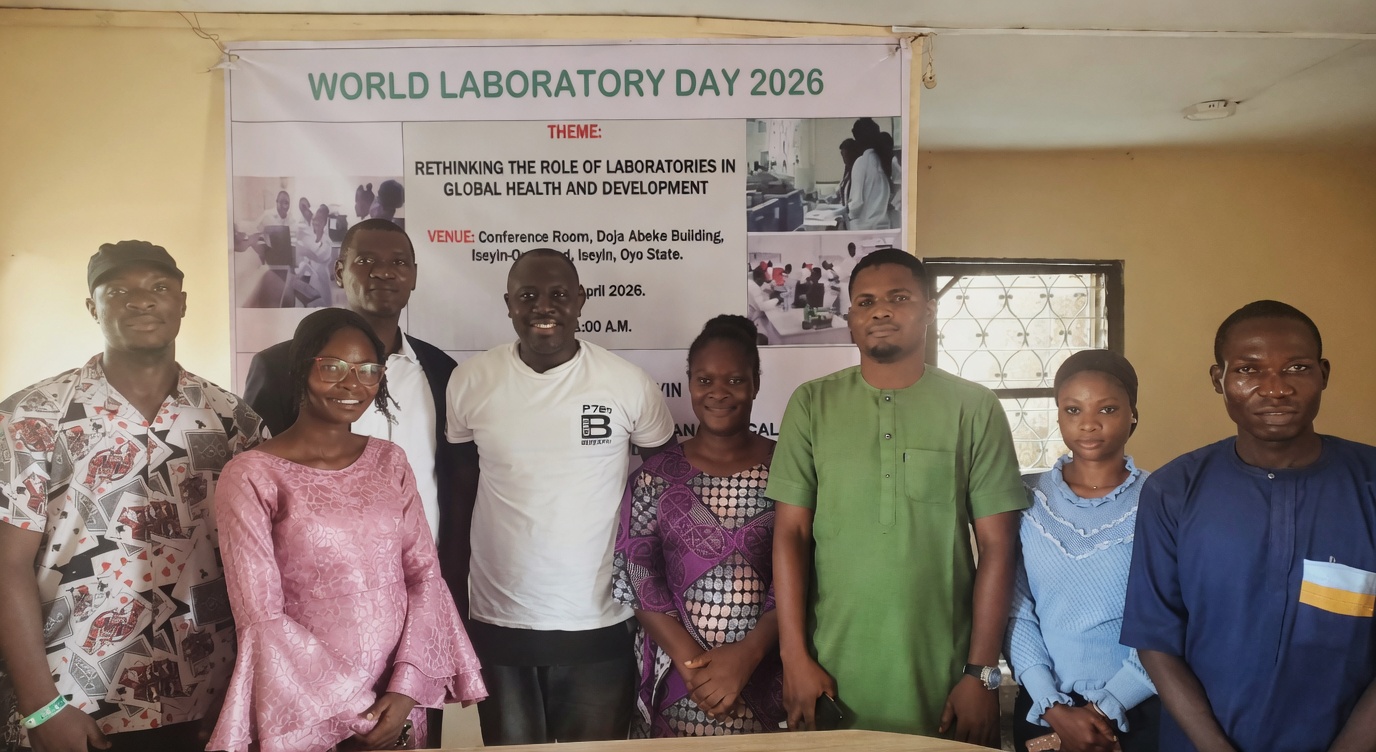
They spoke during the 2026 World Laboratory Day celebration held in Iseyin on Thursday, themed “Rethinking The Role of Laboratories in Global Health and Development”, organised by Lab21 Services Limited in collaboration with the Association of Analytical and Calibration Laboratory Directors (AACLD).
Central to the discussions was the alarming state of sachet water regulation, which participants described as inconsistent and largely ineffective after initial certification.
According to the Chief Executive Officer of Lab21 Services Limited, Dr Femi Oyediran, regulatory checks on sachet water producers are too infrequent, allowing some manufacturers to operate for extended periods without proper quality reassessment.
“The current framework permits testing at the point of approval, after which many producers continue operations for up to two years without further scrutiny. This creates significant public health risks,” he said.
Oyediran linked several reported cases of typhoid, water contamination, and even lead poisoning in communities to lapses in regulatory enforcement, stressing the need for continuous monitoring rather than periodic inspections.
He urged agencies such as the National Agency for Food and Drug Administration and Control (NAFDAC) and the Standards Organisation of Nigeria (SON), alongside federal and state health ministries, to overhaul their inspection systems and adopt stricter compliance measures.
Other News
Beyond regulatory concerns, stakeholders also identified poor remuneration and welfare conditions as a major threat to the sustainability of laboratory services in Nigeria.
Chairman of the event, Engr. Taslim Owonikoko noted that inadequate pay has continued to push skilled laboratory professionals out of the country, weakening the nation’s capacity for accurate testing, disease detection, and quality assurance.
He warned that the growing “brain drain” in the laboratory sector could further strain public health systems already grappling with limited resources.
“Laboratory services are at the core of healthcare, manufacturing and education. When professionals leave due to poor welfare, the entire system becomes vulnerable,” he said.
Owonikoko called on both the federal government and Oyo State government to prioritise improved remuneration and recognition for laboratory workers, describing it as critical to retaining talent and strengthening national development.
Participants at the event also emphasised the broader implications of neglecting laboratory systems, noting that effective diagnostics, environmental monitoring, and food safety all depend on well-equipped and properly staffed laboratories.
They advocated stronger collaboration among stakeholders in the health sector, stressing that improved laboratory capacity is essential for disease prevention, global health security, and community wellbeing.
The stakeholders warned that unless urgent reforms are implemented both in regulatory enforcement and workforce welfare, residents in vulnerable communities like Oke-Ogun may continue to face avoidable health threats linked to contaminated water and inadequate testing systems.