Follow Us on Google
…Africa urged to deepen innovation, oversight
By Chinenye Anuforo
[email protected]
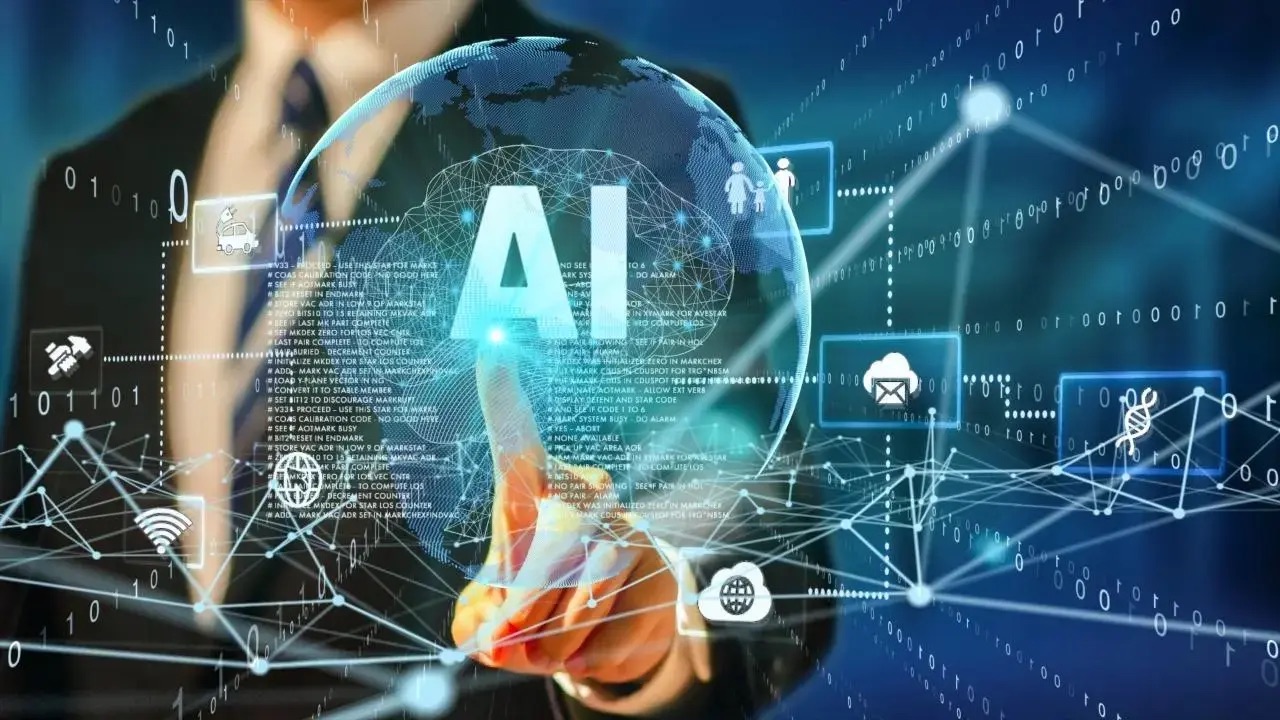
Rapid advances in artificial intelligence are reshaping healthcare, education, agriculture and public services, but weak regulation, rising energy demands and unequal access to skills and infrastructure risk widening global and local disparities, a new international report by the International Telecommunication Union (ITU) and Deloitte has warned.
Artificial Intelligence is rapidly emerging as one of the most powerful forces reshaping economies, governance systems and daily life across the world, but its accelerating adoption is also intensifying concerns around ethics, inequality, energy consumption and the future of work.
These concerns form the core of the AI for Good Impact Report 2025, released by the ITU in collaboration with Deloitte. The report provided a wide-ranging assessment of how artificial intelligence is influencing education, healthcare, agriculture, infrastructure, climate action and public administration, while cautioning that the speed of innovation is outpacing society’s ability to manage its consequences responsibly.
According to the report, AI has moved beyond experimentation into large-scale, real-world deployment. Generative AI technologies have entered the mainstream, transforming how content is produced, how organisations operate and how decisions are made. More significantly, a new phase is unfolding with the rise of advanced autonomous systems capable of learning, adapting and acting with limited human oversight.
These technologies are already delivering tangible benefits. In healthcare, AI-driven diagnostics are supporting earlier detection of diseases and improving clinical decision-making. In agriculture, precision farming tools are helping farmers optimise yields, manage scarce resources and adapt to climate variability. In education, intelligent tutoring systems are expanding access to personalised learning, particularly in underserved and remote communities.
However, the report warned that these gains are accompanied by mounting risks. As AI systems become more autonomous, issues of accountability and transparency grow more complex. Bias embedded in training data continues to influence outcomes in areas such as recruitment, lending and public service delivery, while the spread of AI-generated misinformation poses a growing threat to public trust and social stability.
Environmental sustainability is another area of concern. The data centres that power large-scale AI models consume vast amounts of electricity and water. The report projected that global electricity demand from data centres could double by 2030, raising serious questions for countries already struggling with power supply constraints and climate commitments.
The impact on jobs and skills also features prominently. While AI is expected to enhance productivity and create new categories of work, it is simultaneously reshaping labour markets at a speed many economies are ill-prepared for. Without deliberate investment in reskilling, digital literacy and workforce transition programmes, the report warned that large segments of the population could be excluded from emerging opportunities.
For Africa, the report presented a mixed picture of promise and vulnerability. Several countries on the continent have begun developing national AI strategies aimed at driving innovation, economic growth and improved public service delivery. Nigeria is identified as one of the countries taking early steps, following the launch of its National Artificial Intelligence Strategy, which seeks to harness AI to address socio-economic challenges and boost national productivity.
The report noted that Nigeria’s youthful population, expanding technology ecosystem and growing digital services sector position the country to benefit significantly from AI adoption. Local innovators are already applying AI tools in sectors such as financial technology, health services, agriculture and logistics, often tailoring solutions to local needs.
Yet, persistent structural challenges remain. Limited access to reliable electricity, broadband connectivity, quality data and advanced computing infrastructure could hinder Nigeria’s ability to move from AI adoption to AI development. The report cautions that without sustained investment in local talent, research capacity and digital infrastructure, the country risks remaining dependent on foreign-built AI systems that may not reflect local languages, cultures or development priorities.
Globally, governments are responding with varying regulatory approaches. The European Union’s AI Act has emerged as the most comprehensive effort to regulate artificial intelligence through a risk-based framework, while other regions are pursuing more flexible, innovation-led models. At the international level, the United Nations is strengthening cooperation through new advisory bodies and scientific panels focused on ethical and inclusive AI governance.
In her foreword to the report, ITU Secretary-General, Doreen Bogdan-Martin, stressed that while artificial intelligence holds enormous potential to advance prosperity and address global challenges, it also introduces complex risks that require coordinated global action. She argued that responsible governance, grounded in human rights and the public interest, is essential to maintaining trust in the technology.
The report concluded that artificial intelligence stands at a critical crossroads. Used responsibly, it can help improve healthcare outcomes, strengthen food security, support climate resilience and expand economic opportunity. Left unchecked, it could deepen inequality, strain fragile systems and erode confidence in digital technologies.
For Nigeria, the choices made today will shape how AI influences jobs, governance and social inclusion over the next decade. The challenge, the report suggested, is to balance innovation with safeguards, encourage private-sector growth while strengthening ethical oversight and ensure that artificial intelligence serves as a tool for inclusive development rather than a driver of new divides.
As the global race for AI leadership accelerates, the report made it clear that technology alone will not determine outcomes. Policy, investment and values will matter just as much. For Nigeria and other developing economies, the task ahead is to ensure that artificial intelligence is shaped deliberately and deployed in a way that places people not machines at the centre of progress.