Follow Us on Google
• pledges UN partnership to empower, build sustainable opportunities for women in Niger Delta
From Juliana Taiwo-Obalonye, New York
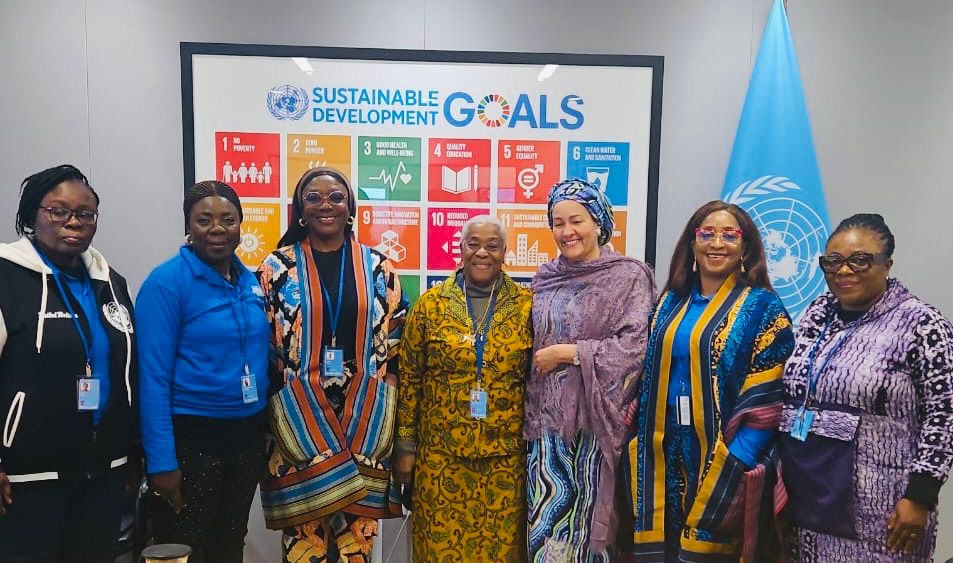
United Nations Deputy Secretary-General, Amina Mohammed, has called on African women to remain steadfast in leadership and service, stressing that courage, conviction, and delivery are key to making a lasting impact.
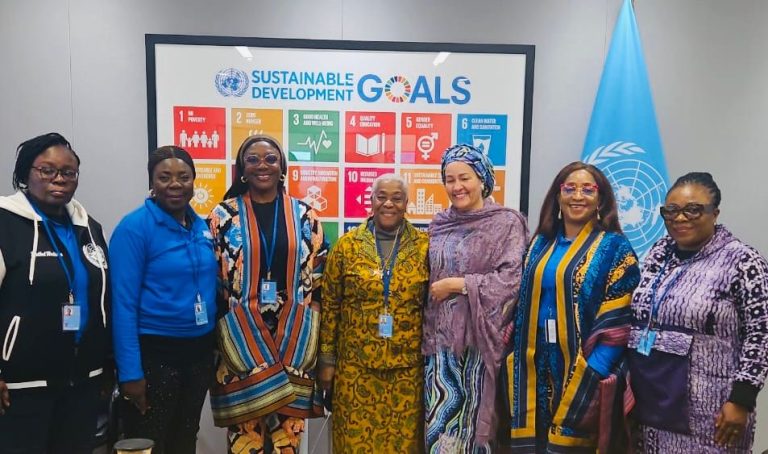
She made the remarks Tuesday during an audience with women from the Niger Delta region of Nigeria, led by former Permanent Secretary in the Ministries of Labour and Productivity, as well as Information and Culture, Dr. Timiebi Koripamo-Agary.
The delegation, which included representatives of the Niger Delta Development Commission (NDDC) women’s group led by the Director of Culture and Women Affairs, Mrs. Ahunna Imoni, as well as a representative of The Sun Newspapers, was in New York to attend the 70th Session of the Commission on the Status of Women (CSW).
This year’s session, held under the theme “Accelerating the achievement of gender equality through digital innovation, education, and inclusive economic development,” brought together global leaders, activists, and policymakers to advance women’s rights and leadership across sectors.
Dr. Koripamo-Agary, who led the delegation, expressed appreciation to the Deputy Secretary-General for her inspiring global leadership and for being a strong symbol of Nigeria’s capabilities on the world stage. She said the visit was meant to honor Mrs. Mohammed’s impact on women worldwide, particularly her representation of Nigerian women at the United Nations.
She described Mohammed as a role model and mentor whose achievements continue to motivate ambitious young women in public service. “We thought it important to come and acknowledge the impact you are making on behalf of women globally and to expose these younger women, who are my mentees to what is possible,” she said.
She also referenced Mohammed’s past involvement with initiatives in the Niger Delta, including the Ogoni cleanup programme, and applauded her continued advocacy for peace and environmental justice in the region.
Imoni, Director of Women and Culture at the NDDC and leader of the Commission’s women’s team, highlighted the challenges faced by women in the Niger Delta, pointing to issues such as poverty, displacement, and loss of livelihoods during floods and conflicts. She explained that many women endure dire conditions in rural and riverine communities and require targeted support to rebuild their lives.
“I came into a department that was silent and inactive,” Imoni said. “Women in the Niger Delta suffer the hardest impacts of crises—floods, poverty, and displacement. Many pregnant women and children died in IDP camps. So, we came here (CSW70) to learn from global best practices, to seek collaboration, and to find ways to strengthen our network of women through strategic partnerships.”
Other News
In response, Mohammed commended the NDDC women for their commitment and encouraged them to focus on organising and sustaining their initiatives, insisting that real change comes from action and collaboration.
“You have to stop agonisng and start organising,” she told them. “Let’s make sure you are connected to the UN when you get back. The way you structure your programmes matters—because when they are coordinated and systematized, they can attract the partnerships and support needed to last beyond one administration.”
She assured the delegation of UN support, promising to facilitate future collaboration and link the group with relevant UN institutions for technical assistance and capacity development.
Responding to questions about her legacy and lessons for African women, Mohammed said she does not dwell on legacies but focuses on whether her work leaves the world better than she met it.
“I don’t deal in legacies because they’re never really over until the day you die and someone tells the story,” she said. “What matters is: did I leave this place better than I met it? I think I did, because more women and more Africans are now in leadership positions at the United Nations, and we’ve brought visibility to issues that would otherwise be forgotten.”
She stressed the importance of visibility and engagement in conflict zones, citing UN involvement in Afghanistan, Chad, and the Sahel, as well as support for women leaders in Namibia and Tanzania.
“In Namibia, we have a woman president, and it’s important that we are there to celebrate her,” Mohammed said. “We also have a woman president in Tanzania who came into office under constrained circumstances, but she deserves support. Leadership comes with challenges, and our responsibility is to stand by these women, correct the wrongs, and help their countries progress.”
Mohammed urged young African women to embrace diligence, integrity, and conviction, adding: “Everything you do, deliver for human beings and your environment. Your voice matters, and the courage of your conviction matters. Family matters, community matters, and faith matters. In hard times, you must lean on God. Don’t take these for granted.”
On the prospects of achieving the Sustainable Development Goals (SDGs) by 2030, Mohammed expressed optimism. “We don’t give up until the day we miss it. It’s not yet 2030, and there’s still much we can achieve. We must continue striving to end maternal mortality and ensure education for all,” she stated.
The meeting ended with words of encouragement from the UN Deputy Secretary-General, who reminded the women that “the sky’s the limit” for those willing to serve with purpose and perseverance.
Other members of the delegation were: Mrs. Sotonye Ordor (NDDC), NGO Representatives, Mrs. Rosemary Oweifaghawari, Mrs. Bosede Apiri and media representative, Juliana Taiwo-Obalonye.