Follow Us on Google
• Nigeria reciprocates by cutting 60% tariffs on 6,000 products
____________________________
From Juliana Taiwo-Obalonye, Abuja
In a game-changing boost for Nigerian exporters, the United Arab Emirates will eliminate tariffs on over 7,000 Nigerian products under a newly signed Comprehensive Economic Partnership Agreement (CEPA), Minister of Industry, Trade and Investment, Dr Jumoke Oduwole, announced on Tuesday.
The deal, forged after intense negotiations, immediately clears the path for duty-free entry of key agricultural, seafood and industrial goods into one of the world’s richest markets.
“This Agreement is the product of focused and determined negotiations led by the Federal Ministry of Industry, Trade and Investment,” she said in a statement. It marks a “historic milestone in Nigeria’s trade relations”, delivering “tangible benefits for Nigerian businesses, professionals, and workers.”
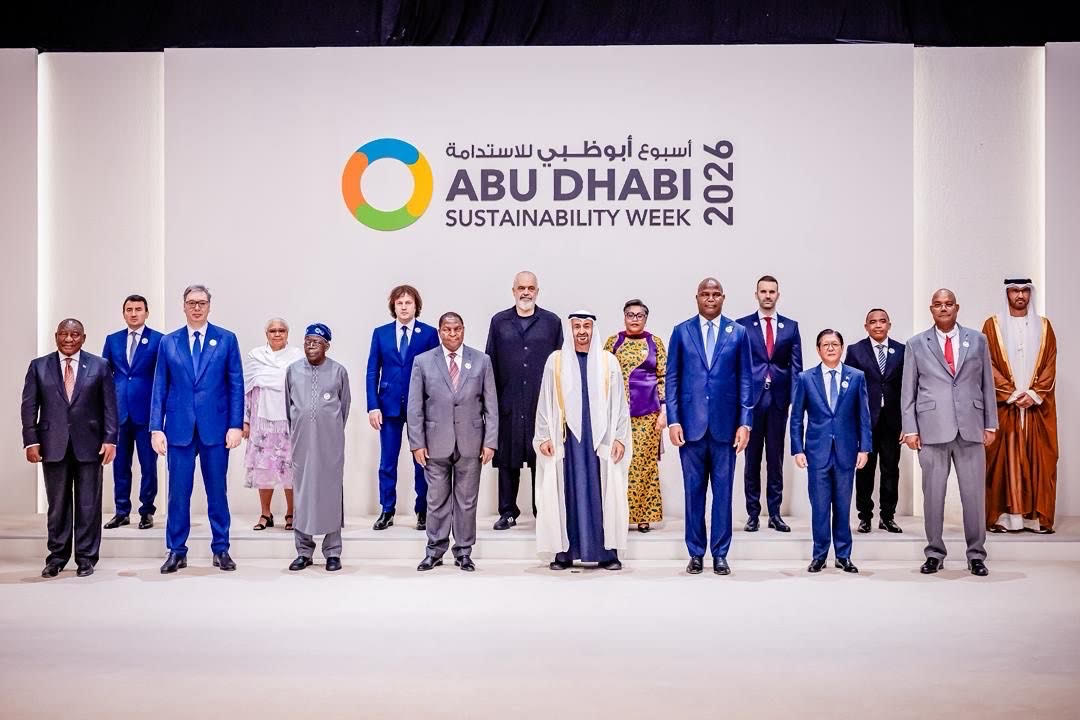

Oduwole, speaking from Abu Dhabi, detailed the sweeping tariff eliminations: “Immediately, our agricultural and industrial products – fish and seafood, oil seeds, cereals, cotton, pharmaceuticals, chemicals and more – will enter the UAE market duty-free.” Over the next three to five years, tariffs on additional categories like machinery, vehicles, electrical equipment, apparel and furniture will vanish entirely.
She added that the CEPA creates a “clear and competitive pathway” for Nigerian goods into the UAE’s dynamic trading hub. Exporters of value-added products stand to gain most, with immediate zero-tariff access incentivising scaled production.
“Nigerian industrial exports now have a clear and competitive pathway into one of the world’s most dynamic trading hubs,” Dr Oduwole stressed. This, she said, aligns with President Bola Ahmed Tinubu’s Renewed Hope Agenda, which prioritises “market access for Nigerian goods and services” and economic diversification.
Beyond tariffs, Nigerian firms can now establish branches, subsidiaries or corporate entities in the UAE. Business visitors can secure up to 90 days per year for trade scouting, while intra-corporate transferees – managers, executives and specialists – gain renewable three-year stays.
Other News
The agreement, Oduwole added, tackles Nigeria’s foreign direct investment hurdles, boosting confidence among UAE investors. “UAE investors now have clarity and confidence to invest in Nigeria’s productive sectors,” the minister said. “This will support Nigeria’s industrialisation agenda, enhance transport and logistics connectivity, and contribute to the creation of quality jobs for our youthful population.”
Early wins include UAE backing for infrastructure such as the Lagos–Calabar Coastal Road from First Abu Dhabi Bank, with Sky Capital aiding negotiations. More deals are expected in agriculture, real estate, digital banking, retail and infrastructure.
The minister said Nigeria reciprocated by cutting tariffs on 6,000 products – 60 per cent immediately, the rest over five years – focusing on industrial inputs and machinery to fuel domestic capacity. She added that the import prohibition list remains, and that services commitments span 99 areas in 10 sectors, from business and finance to tourism and health.
Oduwole described it as “a strategic agreement for a diversified economy with significant market access secured for value-added and industrial goods. This agreement incentivises Nigerian manufacturers to scale production for export.” It also positions Nigeria as the AfCFTA gateway to 1.4 billion Africans.
The deal complies with WTO, AfCFTA and ECOWAS rules.
Oduwole said the rollout starts swiftly via the ministry and the Nigeria Customs Service (NCS), alongside FMITI agencies such as the Nigerian Export Promotion Council (NEPC), the Nigerian Investment Promotion Commission (NIPC) and the Standards Organisation of Nigeria (SON). “The Federal Ministry of Industry, Trade and Investment, working with key MDAs… will ensure that Nigerian businesses, and the investors we host, have the information, support and facilitation they need,” Oduwole pledged, in line with President Tinubu’s “Nigeria First” directive.
She praised the Nigerian team – “including the Lead Technical Advisers, FMITI/Nigerian Office for Trade Negotiation, the Nigerian Customs Service and the Ministry of Justice” – and her UAE counterpart, Dr Thani bin Ahmed Al Zeyoudi.
Addressing exporters directly, she urged: “To the Nigerian private sector: this Agreement was negotiated for you. I urge you to identify your opportunities with enhanced market access and move with confidence into the UAE market with the protections we have secured for you. Nigeria is open for business, and Nigerian businesses now have open access to the UAE, the Middle East and the rest of the world.”