 Follow Us on Google

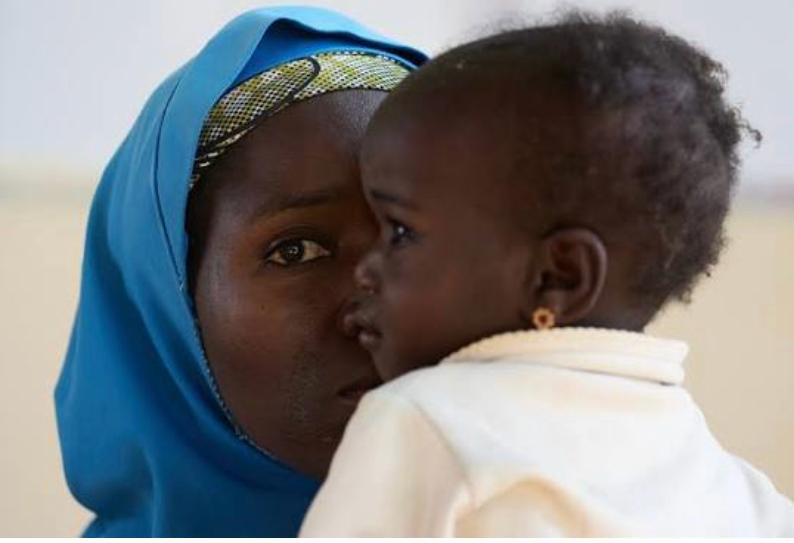
Caregivers across northern Nigeria are placing growing trust in the health workers who bring a life-saving medicine to their doors, according to a new white paper on the Safety and Antimicrobial Resistance of Mass Administration of Azithromycin (SARMAAN) programme.
The report, titled “From Trusted Messenger to Understood Medicine” and released in October, shows that caregivers’ trust in frontline health workers rose from 37 per cent in December 2025 to 84 per cent by August 2026.
Over the same period, the share of caregivers who believe the medicine is safe for their children climbed considerably and nearly every other measure of caregiver confidence tracked by the programme also improved.
SARMAAN currently reaches about 16 million children aged one to 59 months across 11 Nigerian states using approved doses of azithromycin, an antibiotic given to every eligible child during distribution rounds.
The evidence behind the approach is well established. The MORDOR trial, published in the New England Journal of Medicine in 2018, found that twice-yearly doses of azithromycin reduced child deaths by 13.5 per cent in high-mortality settings. A later trial in neighbouring Niger recorded a 14 per cent reduction among children aged one to 59 months, the same age group SARMAAN now serves.
For Nigeria, the stakes are high, The country’s under-five mortality rate is estimated at about 116 deaths per 1,000 live births, and the North West and North East remain among the worst-affected zones.
Other News
The report draws on the programme’s Emotional Sentiment Index, a household survey that reached 3,384 caregivers in its latest round. It also draws on interviews with SARMAAN’s implementing partners: Malaria Consortium, Sightsavers and the Solina Centre for International Development and Research.
Fathers there hold strong influence over whether children take part in health programmes, and the gains across states suggest that patient, local engagement can shift opinion even in households where men make the final decision.
For other health programmes, SARMAAN’s experience offers practical lessons. Its house-to-house rounds show that a trusted frontline worker at the door can do what posters and broadcasts alone cannot. Its work with fathers, religious leaders and traditional rulers shows that confidence grows faster when the people who shape household decisions are brought in early. Just as important, the programme tracks how caregivers feel alongside how many children it reaches, so it can spot doubt and respond before it turns into refusal. Immunisation, malaria, nutrition and maternal health programmes, which often reach the same families in the same communities, could share these approaches rather than build their own from scratch.
That is perhaps the clearest promise of the SARMAAN model for integrated child survival in Nigeria. The same community distributors, local-language materials and listening tools could carry several services to a household in one trusted visit.
The programme already runs on structures states own, including their advocacy teams, health workers and community networks, so the gains can outlast any single campaign. A shared message, a shared workforce and a shared commitment to hearing from families could help Nigeria give more of its children the protection they need to reach their fifth birthday.